Key former advisor from COVID era admits to scheming to circumvent transparency laws
The agreement reached with the Prosecutor's Office calls for a sentence of up to five years in prison for the former official.
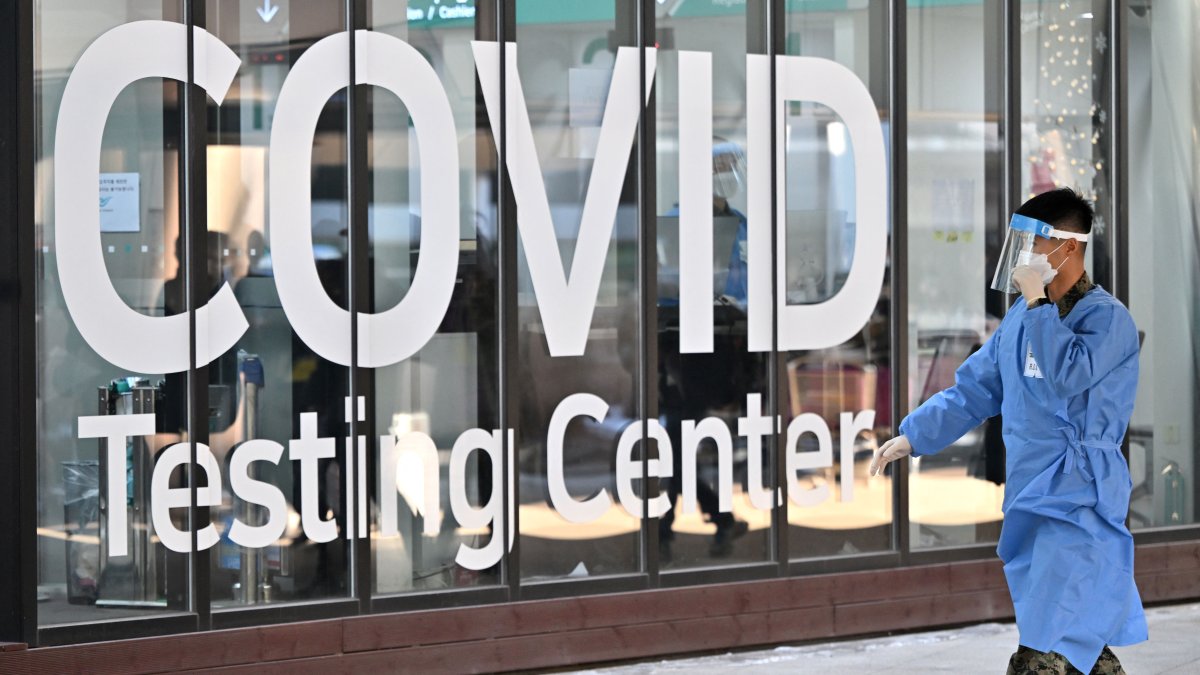
File photo of a COVID testing center.

David Morens, 78, who served as senior advisor to the Office of the Director of the National Institute of Allergy and Infectious Diseases (NIAID) from 2006 to 2022, pleaded guilty in a federal court in Maryland to the charge of conspiracy to commit misconduct and defraud the United States.
The admission of guilt follows an investigation into coordinated efforts to shield public records related to the handling of the COVID-19 pandemic.
The agreement reached with the U.S. Attorney's Office provides for a sentence of up to five years in prison for the former official. "By pleading guilty today, Dr. Morens has taken responsibility for his actions and will continue to do so," said Tim Belevetz, the defendant's defense attorney.
The original indictment, filed in April, charged Morens with five counts for his active participation in a scheme designed to withhold official information from public scrutiny, in violation of requests made under the Freedom of Information Act (FOIA) between April 2020 and December 2022.
Private accounts and diversion of funds to Wuhan
According to court documents, Morens conspired with two external collaborators to use his personal Gmail account instead of the government's institutional email.
The primary objective was to circumvent transparency regulations regarding the origin of the virus and to conceal discussions about a federal grant awarded in 2014 titled "Understanding the Risk of Coronavirus Emergence in Bats."
That funding, administered by the organization EcoHealth Alliance—whose president, Peter Daszak, is named in congressional investigations as one of the conspirators—allocated grants to the Wuhan Institute of Virology in China.
The National Institutes of Health (NIH) suspended the allocation of these funds in April 2020 following allegations that the virus may have originated from a leak at the Chinese facility.
The investigation also revealed that Morens' personal account served as an informal channel for transferring confidential information from the NIH to senior officials at the institution, including Anthony Fauci, former director of the NIAID.
As part of his guilty plea, Morens admitted to receiving illegal benefits from Daszak, including bottles of wine sent to his home in Maryland as compensation for his behind-the-scenes efforts.
The legislative crackdown on pandemic management
The revelations from the U.S. Attorney's Office coincide with the investigations led by the House Select Committee on the Coronavirus Pandemic, which has examined the role of health officials in downplaying the lab-leak hypothesis and in the management of public resources.
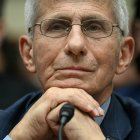
During his congressional testimony in 2024, Fauci attempted to distance himself from Morens by asserting that he did not serve as Morens' advisor on institutional policies, while also characterizing Morens' actions as inappropriate. However, pressure on the former NIAID director has recently increased following the release of text messages and personal records by the Republican majority.
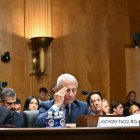
In an appearance last month before the Senate Homeland Security Committee, Fauci repeatedly invoked the Fifth Amendment to avoid answering questions from lawmakers.
In light of his refusal to testify, the Senate committee passed a motion to hold him in contempt of Congress, referring the case directly to the Department of Justice.
LATEST