Oman had banned the FlyDubai co-pilot from flying due to his Islamic extremism
Aviation safety analysts noted that the incident represents an unprecedented systemic failure.
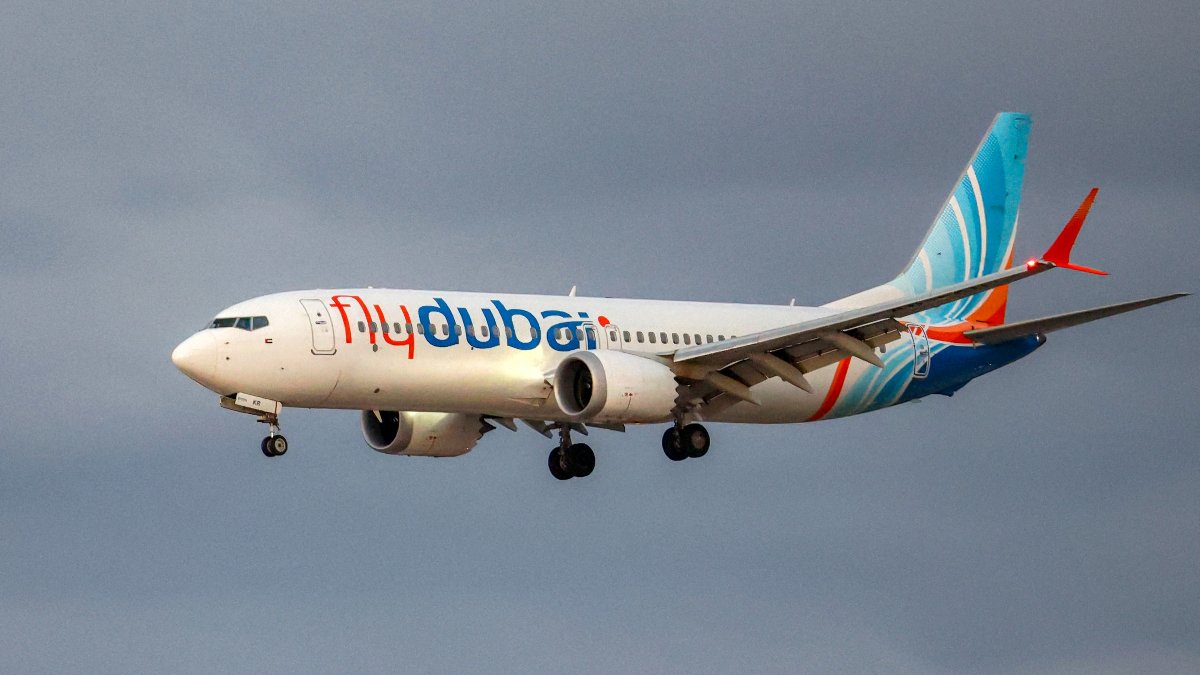
A FlyDubai Boeing 737 MAX 8 (file photo).

The Omani co-pilot who stabbed his captain and caused the nosedive of FlyDubai Flight 1073 bound for Israel had previously been barred from flying in Oman due to concerns over his adoption of radical ideological views, as revealed exclusively by the Wall Street Journal (WSJ).
Despite the ban in his home country, the Emirati airline hired him, allowing him to operate on one of the region's most sensitive routes, connecting the United Arab Emirates and Tel Aviv.
Sources consulted by the WSJ said it is currently unknown whether Oman shared these intelligence alerts with other countries or airlines, or the exact nature of his radicalization.
Classified as an act of terrorism by Israel and the UAE
Both a senior adviser to the Emirati ruler and Israeli Prime Minister Benjamin Netanyahu formally described Wednesday's incident as an act of terrorism. "The attacker underwent Islamic radicalization," Netanyahu stated. "He came to crash the plane into the passengers on board," he added.
The prime minister confirmed that Israel is investigating whether the attacker acted as a lone wolf or was part of a coordinated network.
Currently, both the injured captain and the attacker, who was the co-pilot, are in the United Arab Emirates after being transferred from Saudi Arabia, where the aircraft made an emergency landing after the captain managed to unlock the cockpit and the passengers subdued the attacker.
Ignored warnings and security breaches at foreign airports
Aviation security analysts noted that the incident represents an unprecedented structural failure, emphasizing that intelligence services should have detected an individual with a history of radicalization long before boarding.
Official sources revealed that Israel had been asking Dubai airport authorities to strengthen protocols for flights to Tel Aviv for some time.
A classified report by the Israeli Comptroller's Office, issued in May 2024, had already warned of serious deficiencies in international airport controls and an excessive concentration of resources on domestic airlines, leading to neglect of oversight of foreign operators.
Following the attempted attack, FlyDubai indefinitely suspended all its operations between Dubai and Tel Aviv while authorities in both countries seek to determine the chain of negligence that allowed an extremist to take control of a commercial aircraft.
LATEST