The 'Super Niño' is breaking records and could cause up to 451,000 additional heat-related deaths worldwide
The climate phenomenon has already broken historical records months before reaching its peak. Researchers warn that the extreme heat associated with the current El Niño could lead to hundreds of thousands of additional deaths by February 2027 and exacerbate droughts, wildfires, floods, and food crises.
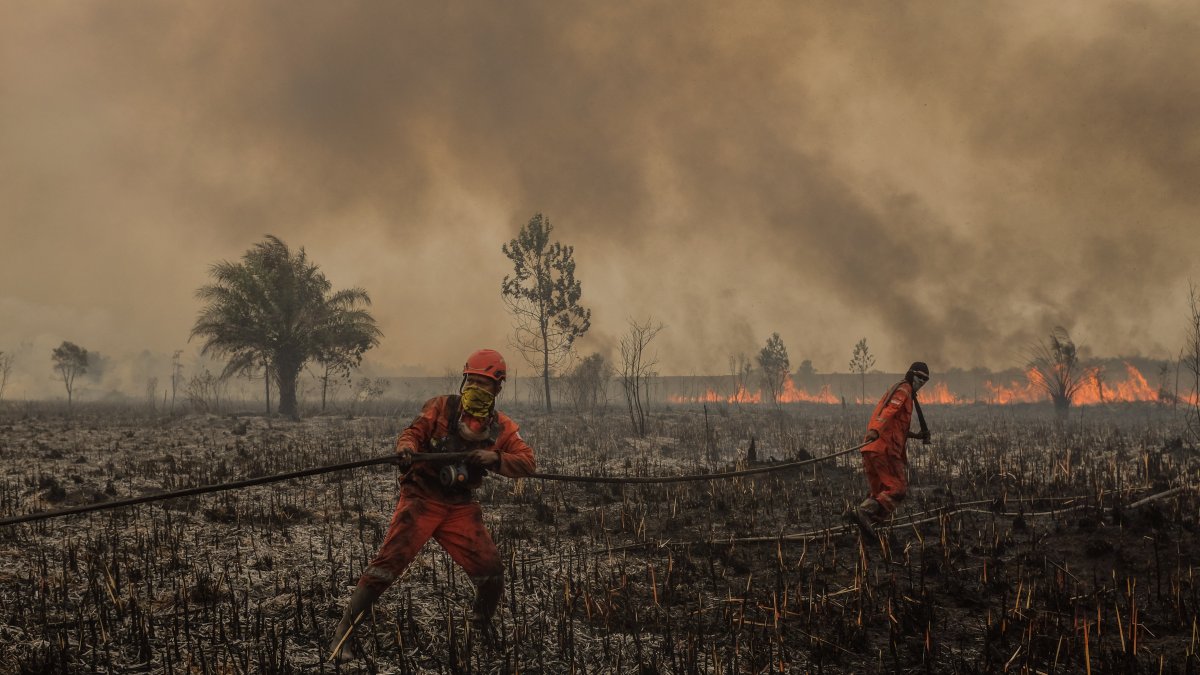
A group of firefighters extinguish a fire in South Asia (File photo)

The current "super El Niño" is reaching exceptional intensity and could become one of the most severe climate events on record, with potentially devastating consequences for health, food security, and the economic systems of numerous countries.
A new study from the University of Chicago's Climate Impact Lab estimates that the additional heat generated by the phenomenon could cause up to 451,000 excess deaths worldwide during the six months ending in February 2027.
The figure does not represent confirmed deaths, but rather a statistical projection of excess mortality compared to what would occur during a year with normal temperatures.

A phenomenon that has already broken records
What is most remarkable is that the phenomenon has not yet reached its peak intensity. Models analyzed by experts place its possible peak around November and December, with projections even suggesting an anomaly close to 4 °C for some indicators.
El Niño occurs when the waters of the tropical Pacific warm abnormally and disrupt atmospheric patterns on a global scale. It can cause severe droughts in some regions and torrential rains and flooding in others.
44% more days of extreme heat
According to the Climate Impact Lab, the current episode could lead to a 44% increase in the number of extremely hot days compared to a normal year.
The most vulnerable regions are concentrated primarily in Africa and Asia. For the period between September and February, researchers project approximately 31,400 additional heat-related deaths in Nigeria, 19,300 in Indonesia, and 17,600 in Sudan.
In the African Sahel region alone, there could be around 66,800 additional deaths associated with extreme temperatures.

It's not just the heat
The impact of the "super El Niño" goes far beyond temperatures.
The phenomenon is already linked to conditions that favor forest fires in Indonesia, reduced monsoon rains in India, droughts and crop losses in Central America and the Caribbean, while other areas face increased risks of flooding and severe storms.
Food security is another major concern. Humanitarian organizations have warned that disruptions to rainfall, harvests, and prices could exacerbate hunger in vulnerable regions, especially in Central America.
Researchers argue that the current episode offers a glimpse of what higher temperatures might mean in the coming decades. The Climate Impact Lab described it as a sort of "postcard from the future," foreshadowing temperature conditions that could become the new normal.
The big question now is just how intense it will become. If El Niño persists well into 2027, scientists warn that the death toll could rise even further, particularly when summer arrives in the Northern Hemisphere.
LATEST