Trump designates Oval Office as national monument to protect its historical significance
The president signed a proclamation aimed at preserving the structure and architecture of one of the White House's most iconic spaces. The measure also protects the Cabinet Room and other presidential offices.
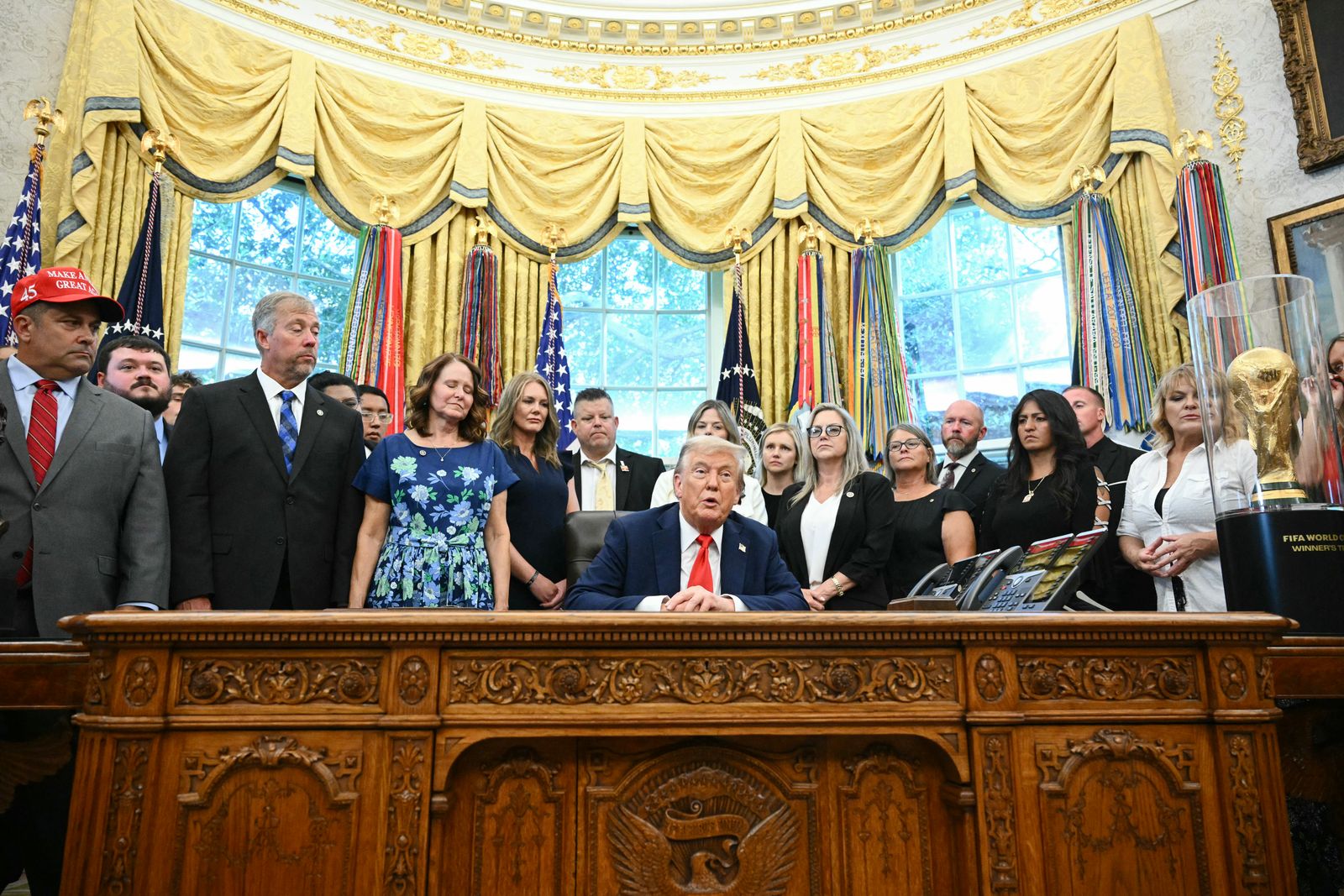
President Donald Trump in the Oval Office at the White House

President Donald Trump declared the White House Oval Office a national monument through a proclamation aimed at preserving its historical value and protecting it from potential demolition or structural alterations.
The measure, officially published by the White House, establishes the so-called Oval Office National Monument, which comprises the president's main office, two adjacent rooms and the Cabinet Room, all located in the West Wing of the building.
Trump defended the decision as a way to ensure that these spaces, linked to some of the most momentous decisions in American history, retain their original character for future generations.
The proclamation is based on the Antiquities Act, which allows the president to designate national monuments on land under federal government control.
What changes with the new designation?
According to the official White House fact sheet, the Department of the Interior, through the National Park Service, must develop a plan to ensure the preservation of the facilities.
Any project involving significant modifications or the demolition of essential architectural elements will have to undergo a prior assessment and consider alternatives to protect the historical heritage.
However, the proclamation does not prevent future presidents from redecorating the offices, changing the furnishings or making security adjustments, provided they do not substantially affect the structure or its architectural value.
The White House noted that the oval design first appeared in the West Wing during the presidency of William Howard Taft, while the office took on its current location and layout under the administration of Franklin D. Rooseveltin the 1930s.
Although the White House and its gardens are already recognized as a National Historic Site, the Trump administration considers it necessary to grant specific protection to these properties due to their significance in the country's political history.
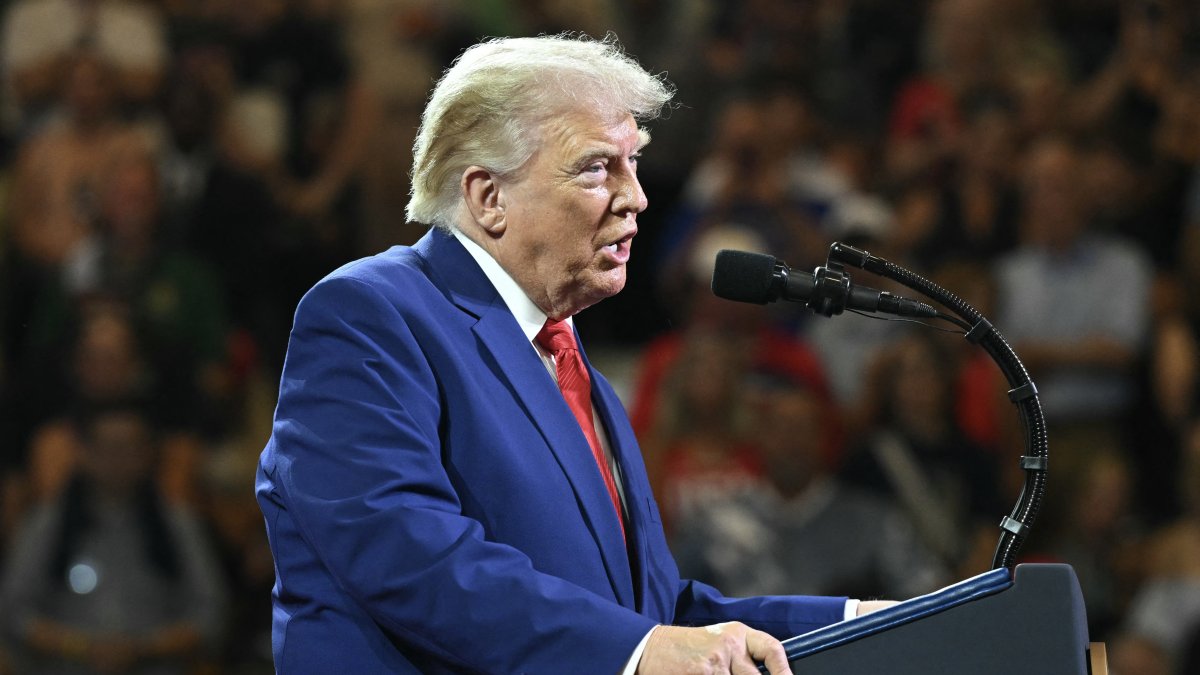
Trump seeks to preserve a symbol of the U.S. presidency
During the signing ceremony, Trump stated that the designation aims to prevent future administrations from destroying or radically altering these spaces. According to AFP, the president maintained that the measure will protect them from interventions that alter their historic design.
The decision coincides with other renovation projects spearheaded by Trump at the White House and in Washington, including the construction of a new presidential ballroom.
However, the proclamation does not stipulate that any modifications require congressional approval, nor does it necessarily prevent a future administration from reversing the designation, as explained by The Associated Press.
The new protection aims to preserve one of the United States' principal institutional symbols and ensure that its historical and architectural significance is taken into account before any substantial alterations are made.
🛠 Do you think there is an error in this article?
Recommendations







LATEST