Wave of resignations rocks Justice Department in wake of midterms
Three high-ranking officials resigned from their posts in just two days, including the federal prosecutor in Miami who spearheaded the legal proceedings against Alex Saab and the indictment against Raúl Castro. The resignations come on the heels of the Republican Party's electoral setbacks and amid high-profile investigations.
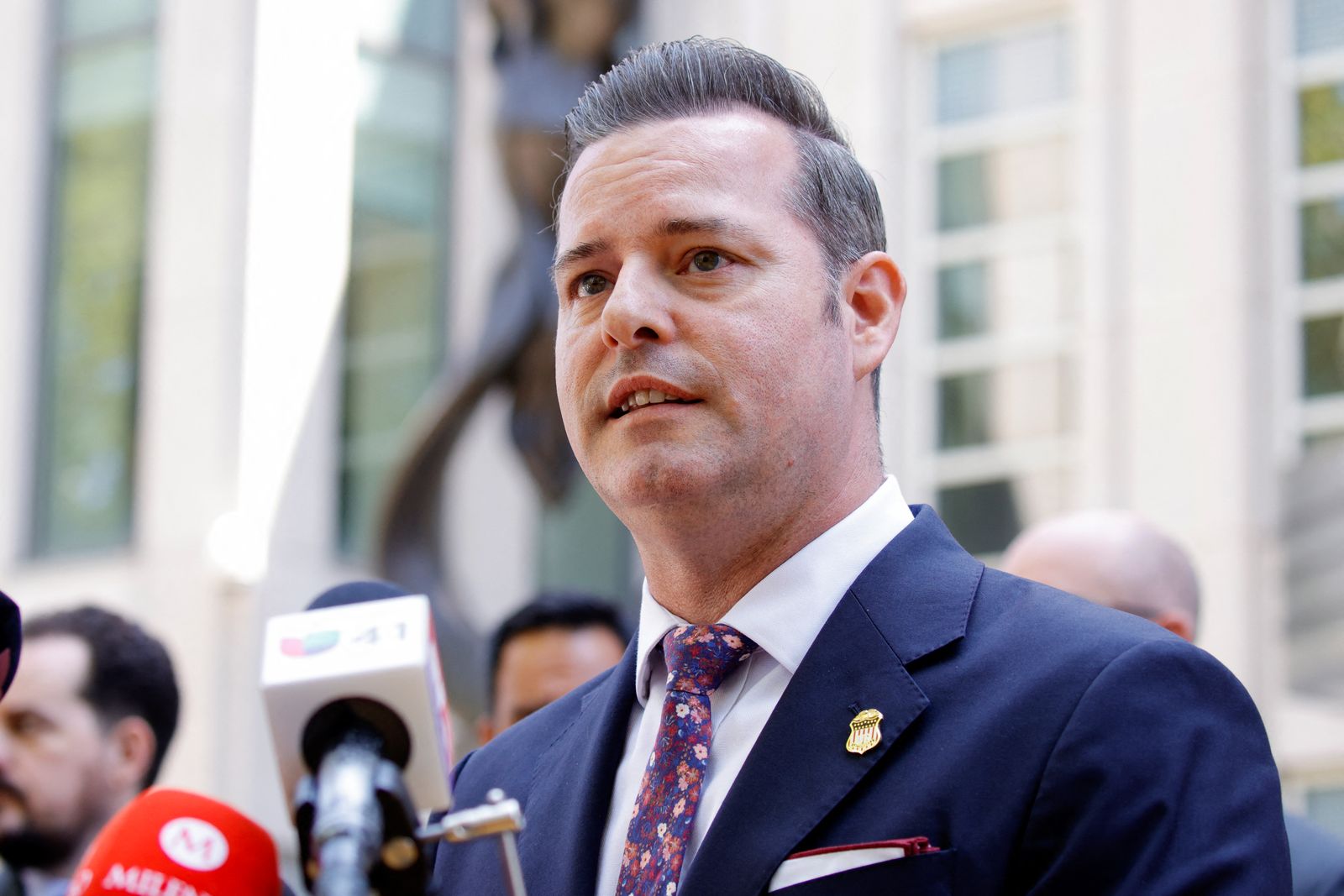
Jason Reding Quinones, former U.S. attorney for the Southern District of Florida

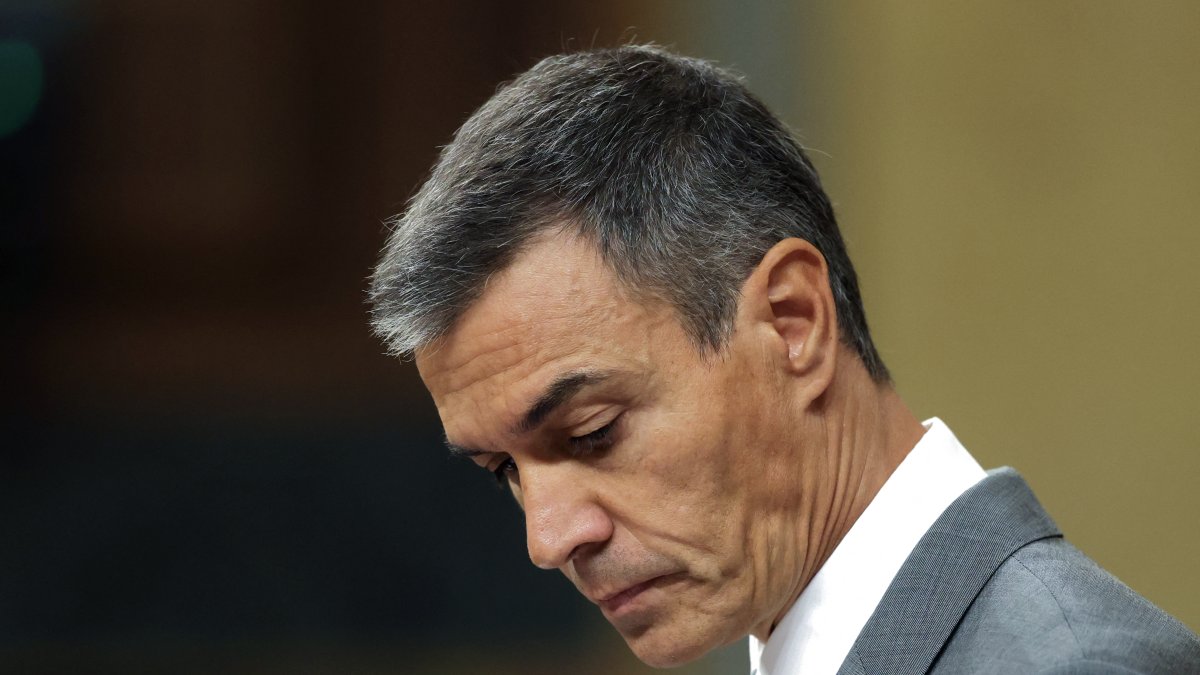
The Department of Justice is facing a series of resignations by senior officials following the Nov. 3 midterm elections. Among those who have left their posts is the head of the Civil Rights Division, Harmeet Dhillon; the head of the National Security Division, John Eisenberg; and U.S. Attorney for the Southern District of Florida Jason Reding Quiñones.
The three resignations were confirmed between Thursday and Friday by Attorney General Todd Blanche, a former personal attorney for President Donald Trump. The resignations come after the Republican Party lost control of Congress in the midterm elections, although it has not been officially established that the election results were the cause of the resignations, according to reports by Reuters and The Associated Press.
Miami prosecutor who brought Alex Saab to justice resigns
One of the most notable departures is that of Jason Reding Quiñones, who headed the U.S. Attorney's Office for the Southern District of Florida, an office responsible for investigations into drug trafficking, international corruption and organized crime.
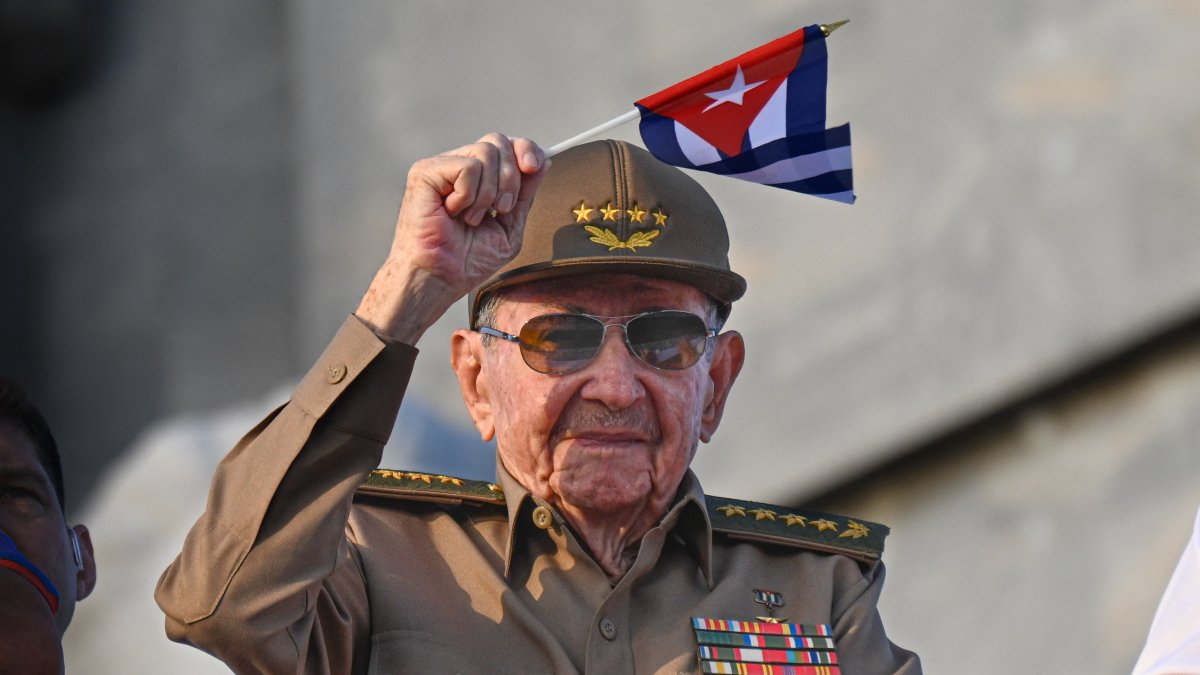
The official submitted his resignation effective immediately on Friday, Nov. 6, without publicly explaining the reasons for his decision. Blanche thanked him for his work combating violent crime, drug trafficking and transnational criminal organizations, highlighting in particular the federal indictment filed against former Cuban leader Raúl Castro for the shooting down of the Brothers to the Rescue planes in 1996.
According to Diario Las Américas, Quiñones also headed the office that brought a new case against Colombian businessman Alex Saab, a close associate of former Venezuelan dictator Nicolás Maduro.
Saab pleaded guilty on Sept. 15, 2026, to conspiracy to launder money derived from a bribery scheme related to government contracts for the importation of food and medicine in Venezuela.
According to the official statement from the Department of Justice, the businessman admitted to his involvement in operations linked to the CLAP food assistance program, which allowed for the embezzlement of at least $195 million.
As part of his plea agreement, Saab agreed to the forfeiture of that amount and pledged to cooperate with U.S. authorities. His sentencing is still pending.
Quiñones' departure marks a leadership change in one of the country's most important federal prosecutor's offices, though it does not automatically halt the proceedings against Saab, as explained by Diario Las Américas.
Investigation into alleged conspiracies against Trump
In addition to cases related to Cuba and Venezuela, Quiñones was overseeing an investigation known as the “Grand Conspiracy,” aimed at determining whether former intelligence and law enforcement officials participated in an alleged conspiracy to politically harm Donald Trump.
The probe examined actions related to investigations into the ties between Trump's 2016 presidential campaign and Russia, as well as the handling of classified documents following his first term in office.
According to CBS News, the investigation had faced delays and internal difficulties, and has not yet resulted in any new criminal charges.
Quiñones' departure raises questions about the future of these proceedings, especially after another prosecutor linked to the case, Joseph diGenova, also left the Department in September.
Just the News
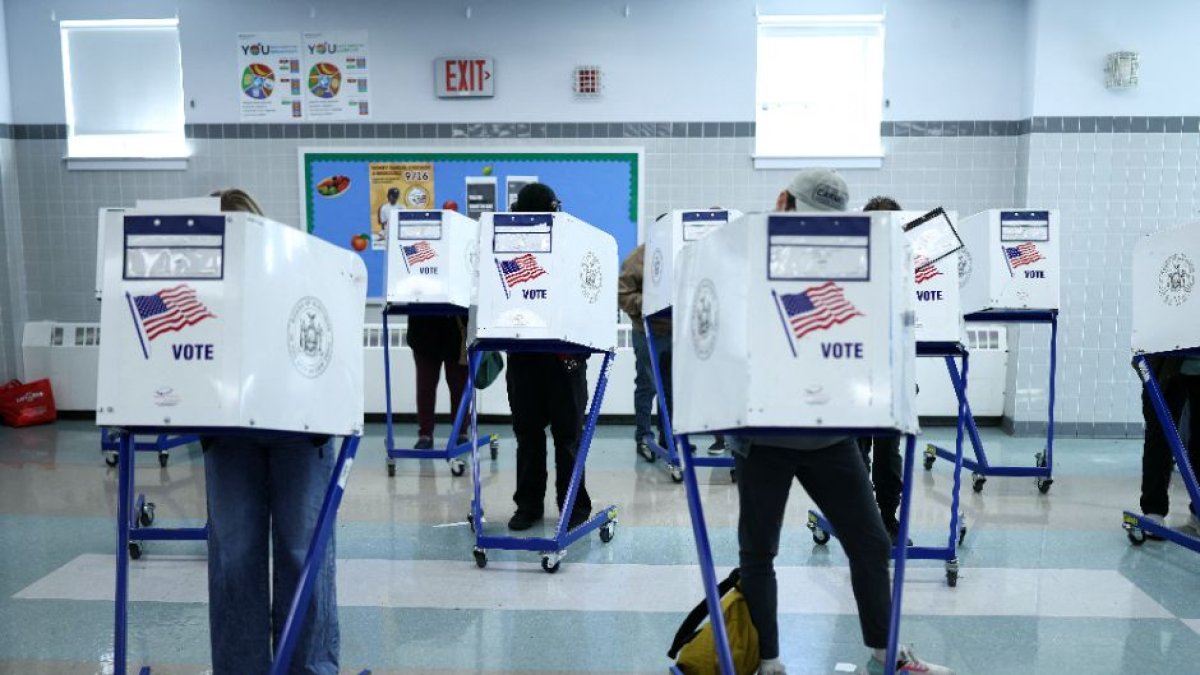
Days before midterms, ICE and DOJ announce new wave of noncitizen voting arrests
Ashe Short
Two more resignations in strategic areas
On Friday, the resignation of John Eisenberg was also announced. Eisenberg headed the Department of Justice's National Security Division, which is responsible for investigations related to terrorism, espionage, cyberattacks and threats to U.S. security.
Eisenberg had held legal positions during Trump's first term. His departure was confirmed by Blanche in an official statement, in which he highlighted his service to the country.
A day earlier, Harmeet Dhillon, head of the Civil Rights Division, resigned; she had spearheaded significant changes in the division's priorities.
During her tenure, the division spearheaded initiatives related to diversity programs at universities, reports of antisemitism, rights related to the Second Amendment and access to voter registration records.
Dhillon was also involved in the Justice Department's attempts to obtain information from voter registration rolls in numerous states ahead of the midterm elections. Several of those efforts faced legal challenges.
According to Reuters, the official announced her intention to resign in October, though she agreed to remain in office until after the elections.

Just the News
Justice Department pursuing investigation in 2022 Supreme Court abortion ruling leak: sources
Kevin Killough
Department of Justice faces a new chapter
The resignations come at a time of growing attention on judicial investigations involving former federal officials.
Among the most controversial cases is that of former FBI Director James Comey, who was charged in April 2026 over an Instagram post containing an image of seashells forming the numbers "86 47," which the prosecution interpreted as a threat against President Trump.
Comey has denied that it was a threat and maintains that his post was protected by freedom of speech. CBS News documented the indictment filed in April.
The resignations of Quiñones, Eisenberg and Dhillon come as Democrats prepare to take control of Congress in January 2027 and announce their intention to investigate various actions by the Trump administration.
So far, the Department of Justice has not explained the specific reasons for all the resignations nor announced permanent replacements for the officials.
This wave of resignations thus ushers in a period of reorganization in key areas of the federal justice system, while investigations involving national security matters, alleged international corruption and actions by previous administrations remain pending.
🛠 Do you think there is an error in this article?
Recommendations




LATEST