Former Sen. Jay Rockefeller, heir to one of the country's most powerful dynasties, dies at 89
Born in New York, Rockefeller was the great-grandson of oil tycoon John D. Rockefeller, who was considered the richest man in the United States during his time.
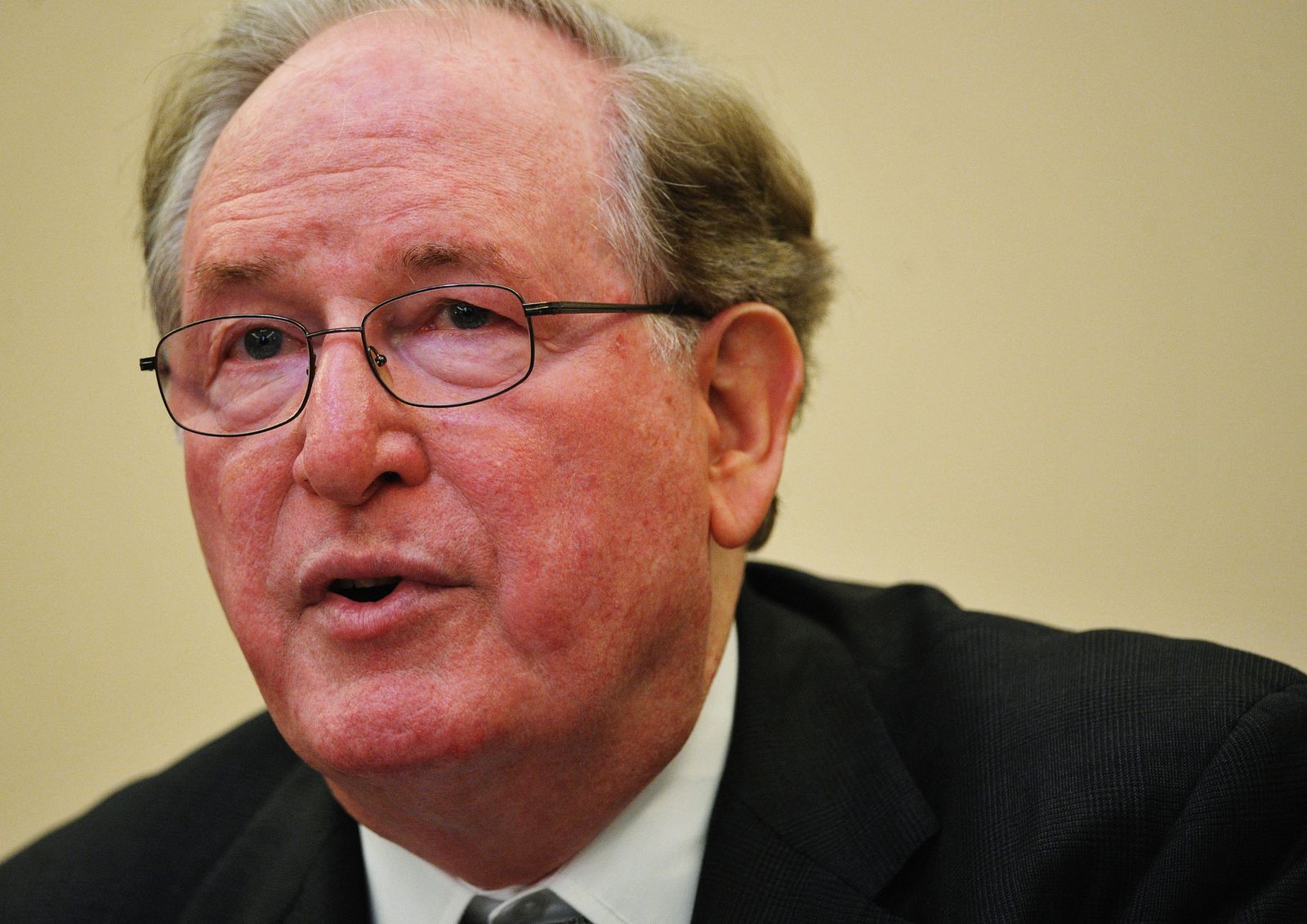

John D. "Jay" Rockefeller IV, a former Democratic senator from West Virginia who served for three decades, died Friday at his home in Washington. He was a prominent advocate for expanding access to healthcare for the poorest people and one of the critics of George W. Bush's handling of the Iraq War.
According to NBC, his family did not disclose the cause of death.
Rockefeller represented West Virginia in the Senate for five six-year terms, from January 1985 to January 2015, after serving two terms as governor of that state. He was first elected to the Senate in 1984 and became one of the most prominent Democratic figures for his liberal views and his advocacy for expanded health care coverage for vulnerable populations.
Society
Jerry Koosman, the pitcher who recorded the final out for the historic 1969 Mets, has died
Williams Perdomo
Born in New York, Rockefeller was the great-grandson of oil magnate John D. Rockefeller, considered in his day the richest man in the United States. He also came from a family with a distinguished political and business legacy, which included his uncle Nelson Rockefeller, governor of New York and vice president of the United States, and his uncle David Rockefeller, who headed Chase Manhattan Bank.
His career took a different turn after he graduated from Harvard and participated, between 1964 and 1966, in a national service program in impoverished rural communities in West Virginia. That experience led him to become involved in state politics, where he was elected to the state legislature in 1966 and served as secretary of state in 1968. After losing a gubernatorial race in 1972 and serving as president of a university, he was elected governor in 1976 and took office in January 1977.
The senator backed Democratic President Bill Clinton's proposal to establish virtually universal health coverage during the 1990s, although the initiative failed. He later supported the health care reform spearheaded by Barack Obama, which was enacted in 2010. During the debate, he unsuccessfully advocated for the creation of a public health insurance option that would allow the public to access a federal program as an alternative to private plans.
Regret over voting in favor of Iraq War
He later expressed regret for that vote and strongly questioned the arguments used by the Bush administration to justify the war, including claims about the existence of weapons of mass destruction in Iraq and the alleged links between Saddam Hussein's regime and the Al Qaeda terrorist network.
🛠 Do you think there is an error in this article?
Recommendations






LATEST