Faced with security staffing shortages due to DHS shutdown, airports adjust arrival times and ask travelers to change arrival times
Some terminals now warn that showing up too early can worsen congestion at security checkpoints.
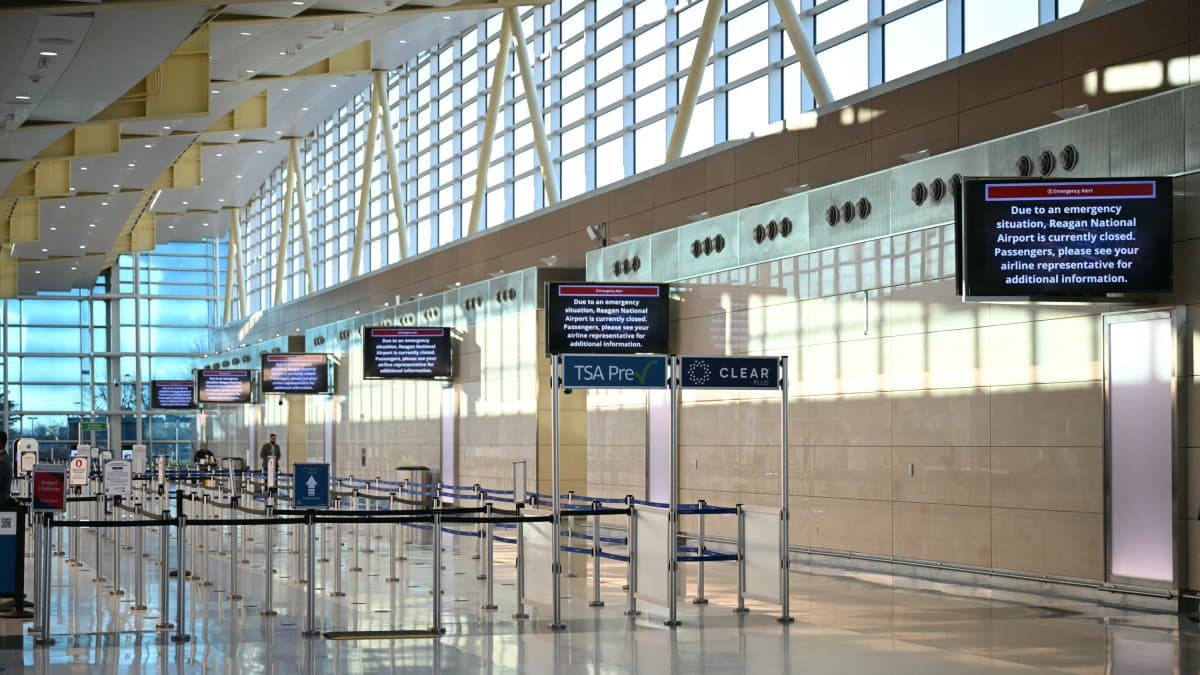

Major U.S. airports continue adjusting their operations following disruptions caused by the closure of the Department of Homeland Security of the United States, which resulted in a shortage of Transportation Security Administration (TSA) personnel. In this context, several airports have begun to modify their recommendations to travelers, especially as they relate to the lead time to arrive before a flight.
Far from suggesting excessive margins, some airports now warn that showing up too early can worsen congestion at security checkpoints.
Adjustments to avoid unnecessary congestion
John Glenn Columbus International Airport in Ohio indicated that the most appropriate time to arrive is approximately 90 minutes before departure. According to the terminal itself, excessive early arrivals generate an initial backlog of passengers that ends up saturating lines, especially in the early hours of the day. Still, he noted that even when queues reach the ticketing areas, wait times usually remain around 45 minutes.

Austin-Bergstrom International Airport in Texas anticipated high demand—with more than 30,000 passengers in a single day—and also asked to avoid arriving more than four hours in advance. The terminal explained that this practice can generate delays for those with closer flights. As a reference, it is recommended to show up two and a half hours in advance for domestic flights and three hours for international flights.
Not all airports have adopted the same approach. Hartsfield-Jackson Atlanta International Airport maintains a broader recommendation: at least four hours before the flight.
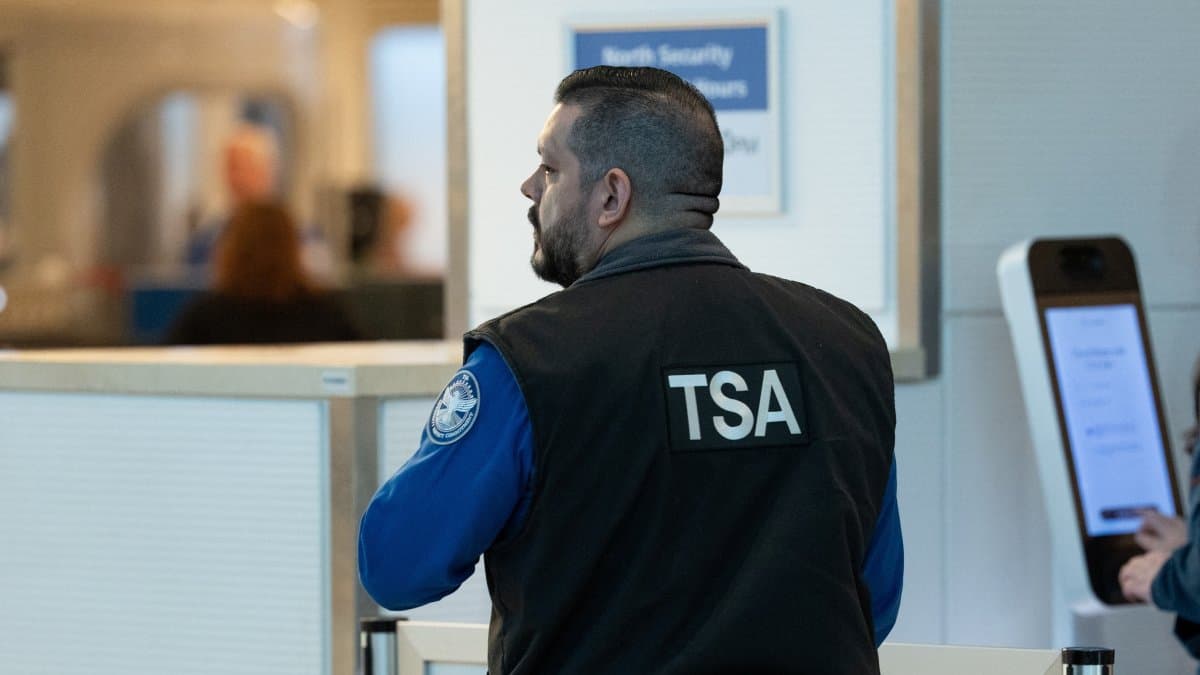
Stabilization signs at some airports.
Overall, the changes reflect a system still in the process of normalizing, where recommendations to passengers are beginning to adapt to actual demand and staffing availability at each airport.
🛠 Do you think there is an error in this article?
Recommendations





LATEST