Federal court rejects Trump administration's emergency motion regarding non-citizen voters in California
The Court of Appeals dismissed the Trump administration's emergency motion to verify the citizenship of more than 20,000 registered voters, citing lack of jurisdiction and delays in filing the motion.
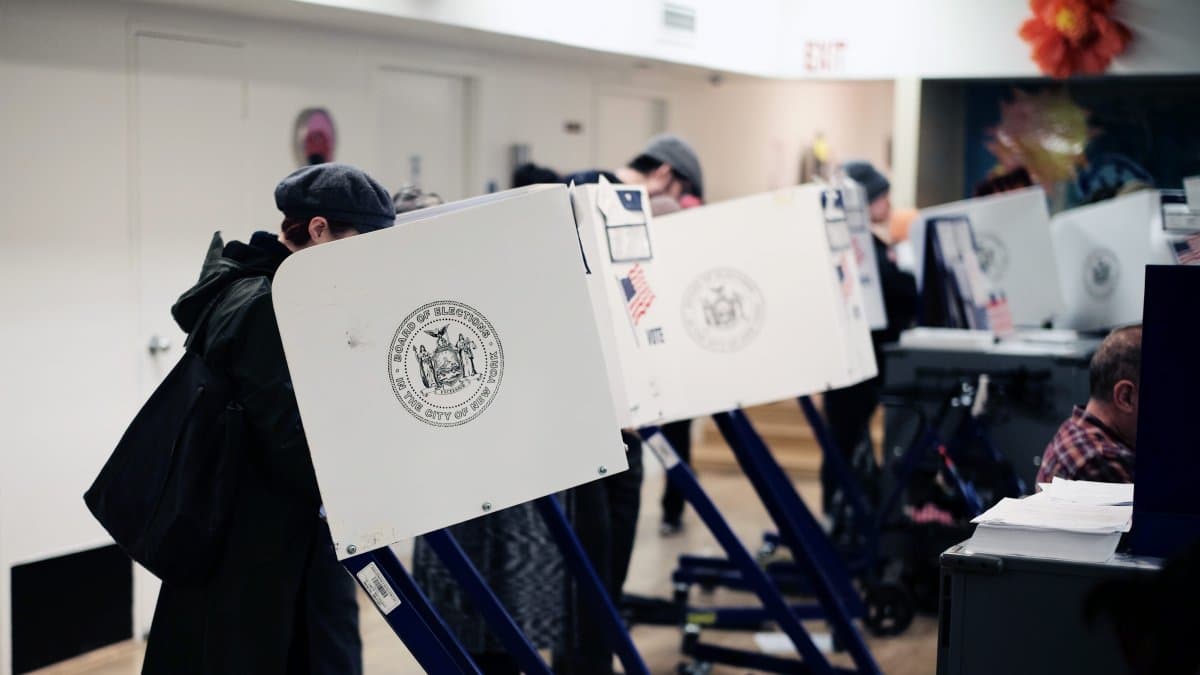

A panel of the 9th Circuit Court of Appeals on Monday dismissed the emergency motion filed by the Department of Justice to compel California election officials to set aside thousands of mail-in ballots from voters whom President Donald Trump's administration identifies as alleged non-citizens.
In a 2-1 split decision, the court cited lack of jurisdiction over the government's prior appeal and granted the motion to dismiss filed by the Los Angeles County Registrar-Recorder. Justices Mark Bennett and Gabriel Sanchez noted that the executive branch did not give the district court sufficient time to evaluate the temporary restraining order before appealing to the higher court.
"The emergency invoked by the United States is, at least in part, self-created," the 9th Circuit stated in the majority opinion. The justices held that the delays in the lawsuit stemmed from the very dynamics of the Department of Justice in failing to consider the deadlines and the scale of ballot processing in California just weeks before the Nov. 3 midterm elections.
Judge Mark Bennett, appointed during Trump's first administration, added in a concurring opinion that, even upon evaluating the merits of the case, he would have rejected the demand to set aside the votes.
Defending electoral sovereignty and the integrity of the ballot box
The ruling included a dissenting opinion by Judge Patrick Bumatay, also appointed by President Trump, who defended the federal government's authority to safeguard the validity of democratic processes in the face of irregularities in the voter rolls.
"The question is: Does the federal government have the power to stop this potential attack on the integrity of our elections? Under federal law and the Constitution, the answer must be 'yes,'" Bumatay emphasized in his opinion. "The federal government has a sovereign interest in safeguarding federal elections and ensuring that votes cast by non-citizens do not undermine election results."
For his part, California Governor Gavin Newsom welcomed the court's ruling, describing it as a setback for the White House's initiatives.
The origin of the dispute over voter lists in Los Angeles
The dispute began earlier this month when Acting Deputy Attorney General Trent McCotter sent notices to the California Secretary of State and the Los Angeles Registrar of Voters, Dean Logan, giving them 48 hours to audit a list of more than 20,000 registered voters identified by the Department of Homeland Security (DHS) as likely non-citizens.
After the county rejected the request due to a lack of methodological precision in the data, the Department of Justice filed a formal lawsuit. However, preliminary verifications conducted by local officials on a sample of 200 records indicated that more than half corresponded to inactive or canceled registrations, and that a large portion of the identified voters were born in the United States.
Despite the 9th Circuit's ruling, the Department of Justice retains the authority to request a review by the full court, while it has extended similar demands to 18 other counties in the state.
Politics
Midterms: Trump will offer $1 million for information on cases of election fraud
Alejandro Baños
🛠 Do you think there is an error in this article?
Recommendations
LATEST