US believes Rodríguez should step down from presidency in 2027 and call for elections
Washington has made progress in the transition contingent on the renewal of the judiciary and electoral reforms before the end of the year, while U.S. diplomats are backing guarantees for María Corina Machado's return.
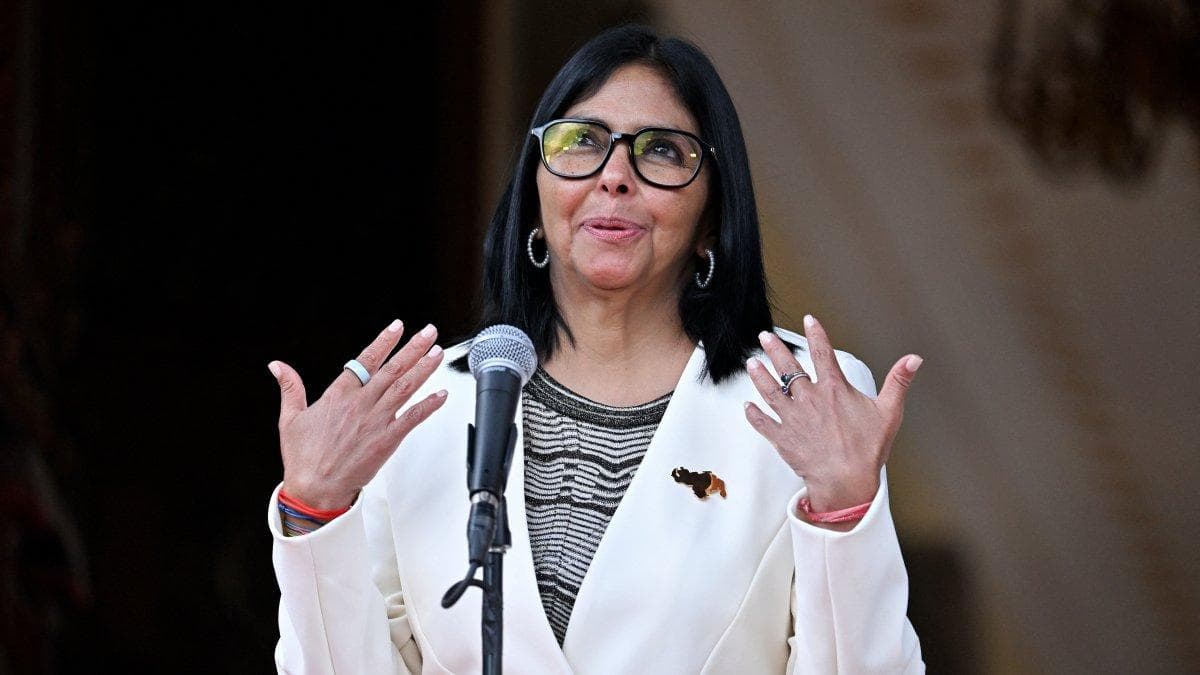

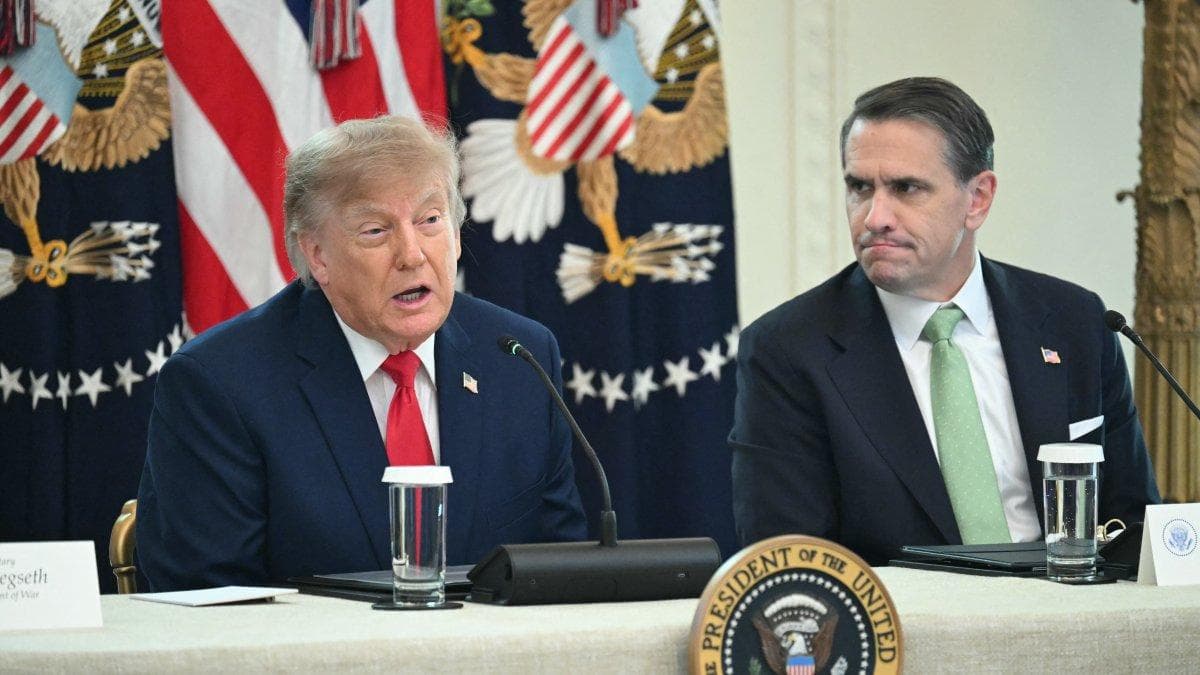
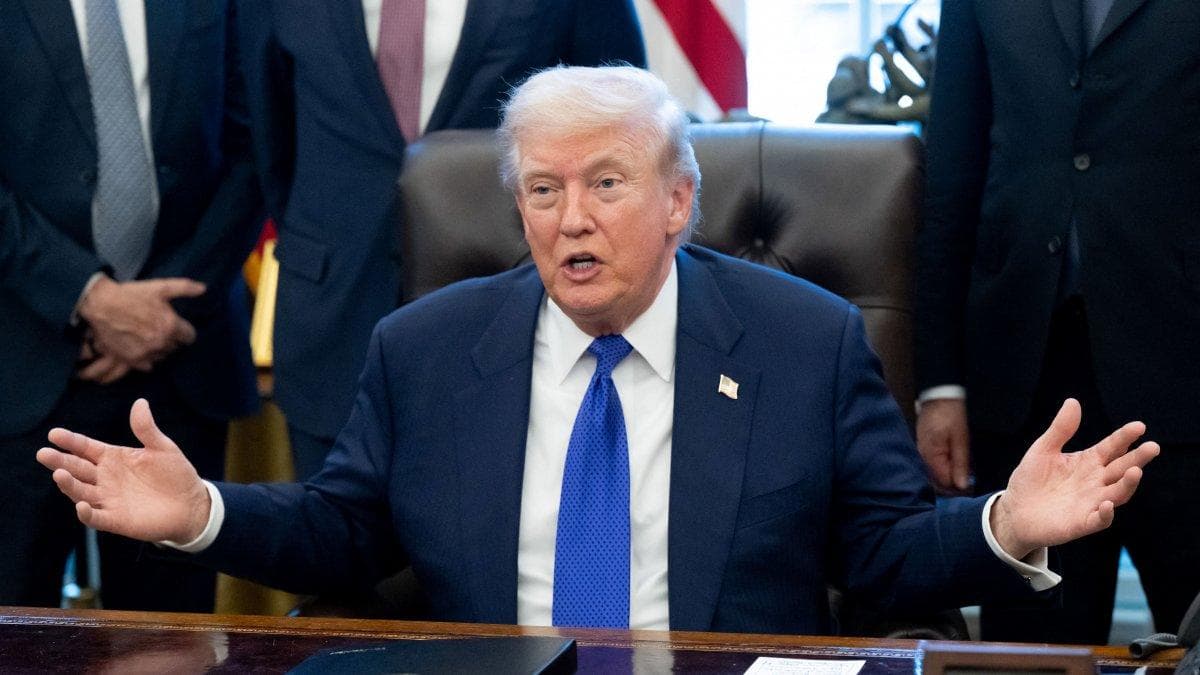
The administration of President Donald Trump outlined the key milestones for the political transition in Venezuela following the capture of former President Nicolás Maduro.
According to a senior State Department official speaking to the EFE news agency, the White House expects the interim government led by Delcy Rodríguez to declare the presidency permanently vacant in 2027, immediately triggering the six-month legal deadline for holding general elections.
Washington's plan includes as a fundamental preliminary step the restructuring of two key institutional bodies: the Supreme Court of Justice (TSJ) before the end of this year and the subsequent renewal of the National Electoral Council (CNE). These reforms have the backing of the 2015 National Assembly delegation, led by opposition figure Dinorah Figuera, within the framework of the ongoing talks.
"Once those two things are in place — the new TSJ by the end of this year and the new CNE shortly thereafter— and that work has already begun, then Rodríguez should declare the presidency permanently vacant," explained the U.S. diplomatic representative, emphasizing that the White House will use its influence to ensure that the process leads to elections whose results are recognized by all parties.
Marco Rubio clarifies efforts regarding María Corina Machado's return
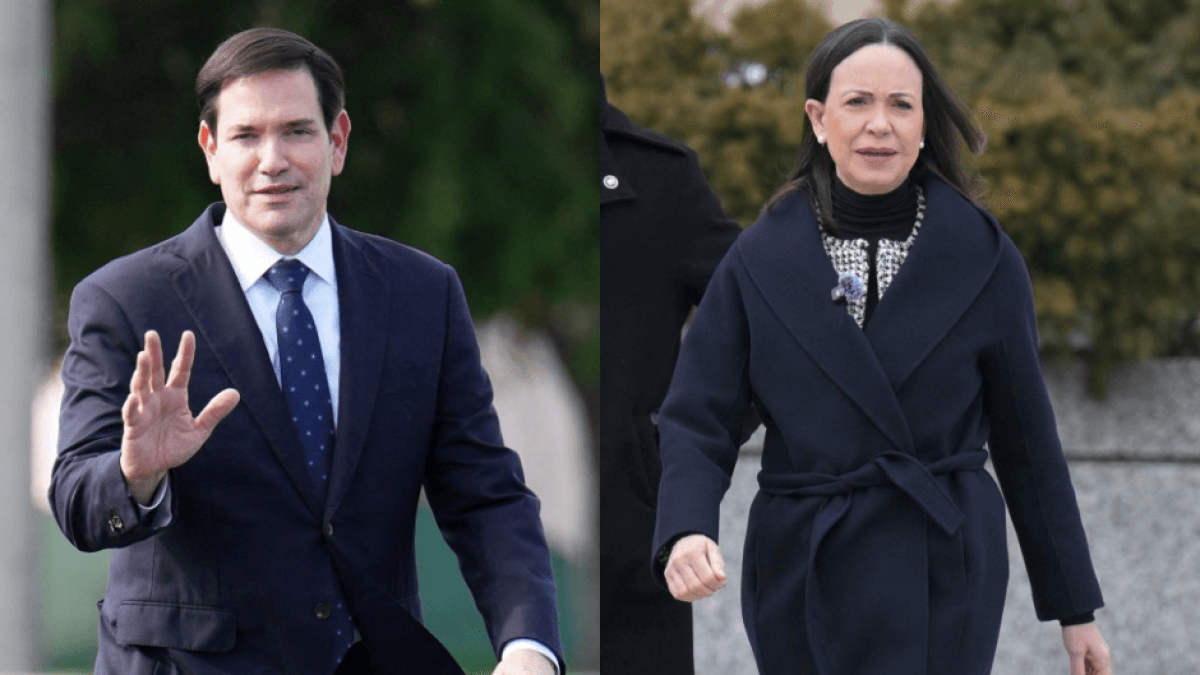
Meanwhile, Secretary of State Marco Rubio spoke out regarding the return to Venezuelan soil of opposition leader María Corina Machado, denying that Washington had placed obstacles in the way of her travel and attributing the logistical delays to the precautions taken by third countries in the region.
Rubio clarified that the "only time" he suggested that Machado postpone her trip was immediately after the earthquake on June 24, due to the urgent need to prioritize the entry of planes carrying humanitarian aid. The U.S. Secretary of State also confirmed that Washington had obtained prior assurances from the interim government regarding the leader's entry, but did not directly facilitate her travel.
The secretary issued a clear warning to Venezuela's interim authorities not to derail the transition process, recalling the leverage Washington holds through economic licenses and sanctions exemptions.
The secretary made it clear that President Donald Trump's administration will judge the regime's cooperation by its concrete actions and not by its rhetoric, reiterating that holding free elections requires profound reforms to Venezuela's politicized electoral and judicial systems.
"We told them: 'Look, our expectation is that she is Venezuelan. She belongs to her country. That is the country she comes from. She should be allowed to return.' They told us that she could enter through the airport if she so desired," Rubio explained, confirming that the political leader was able to travel within the country without incident following her arrival on Sunday.
On the economic and energy front, Rubio defended the U.S.-backed oil agreement, asserting that the mechanism aims to attract foreign investment and revive production in the country, though he avoided providing updated figures on the revenues processed through accounts under U.S. control.
For his part, the Secretary General of the Organization of American States (OAS), Albert Ramdin, celebrated Machado's return via the social media platform X, noting that her presence should serve to "expand the democratic space" and assuring that the international community will remain vigilant in demanding respect for her political rights and those of the citizens on the path toward transparent elections.
🛠 Do you think there is an error in this article?
Recommendations
LATEST