SCOTUS upholds post-election counting of mail-in ballots in Mississippi
After learning of the Supreme Court’s ruling, Trump wrote on Truth Social that it was a “tremendous loss” for voters’ rights and called on Congress to pass stricter legislation known as the “SAVE America” Act.
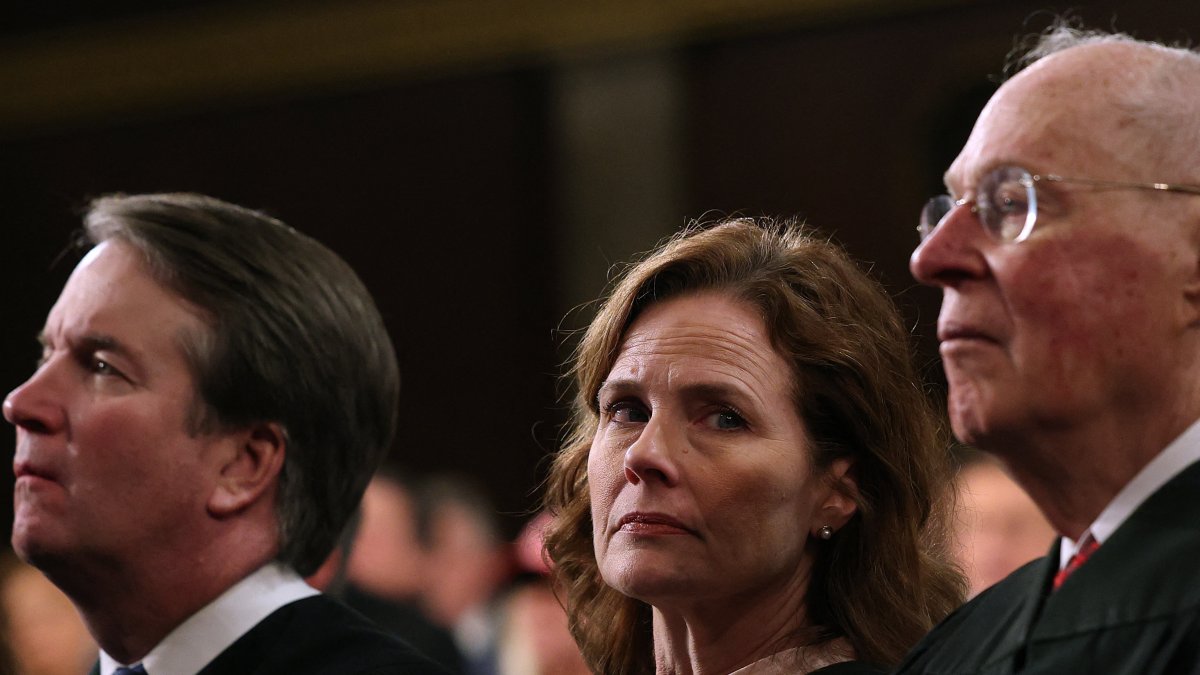
Justice Amy Coney Barrett

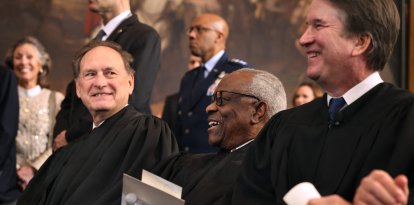
In a setback for President Donald Trump, the Supreme Court (SCOTUS) upheld a state law on Monday that authorizes the counting of mail-in ballots received after Election Day.
In a five to four split decision, the court rejected a Republican challenge to a Mississippi law that allows mail-in ballots to be counted as long as they are postmarked on Election Day and arrive within the following five business days.
RNC v. Mississippi: The case that divided SCOTUS
The case decided by the Supreme Court was brought by the Republican National Committee (RNC) against the Mississippi law. Currently, about 30 states allow certain absentee ballots received after Election Day to be counted.

Politics
SCOTUS rejects Trump's appeal, upholds $5 million verdict in favor of E. Jean Carroll
Carlos Dominguez
In an unexpected decision, Chief Justice John Roberts and Justice Amy Coney Barrett, both conservatives, joined the three liberal justices in upholding the state’s law.
In her majority opinion, Justice Barrett wrote: “In sum, the Election Day statutes require the electorate’s choice to be made on Election Day. ... But the Election Day statutes do not set a deadline for ballot receipt.” She added that no federal rule prevents the state from counting ballots postmarked on Election Day but received up to five days later.
Following the legal setback, Trump pushes forward with his election agenda
After learning of the Supreme Court’s ruling, Trump wrote on Truth Social that this was a "tremendous loss" for voters’ rights and called on Congress to pass stricter legislation known as the "SAVE America" Act.

Politics
Trump on reversal of Lisa Cook's dismissal: 'We will take appropriate action'
Alejandro Baños
This initiative, which has so far failed to make headway in Congress, seeks to require photo ID to vote and proof of citizenship to register. In March, President Trump signed an executive order to tighten the rules on mail-in voting, but it has been blocked by lower courts.
The president has been one of the fiercest critics of mail-in voting. For years, he has claimed that this system is prone to fraud and that it contributed to his defeat in the 2020 election against Joe Biden.
LATEST