Towards an intervention in Cuba? Washington raises the pressure in the Caribbean
The president prefers a diplomatic solution but will not allow the island to degrade into a major national security threat.
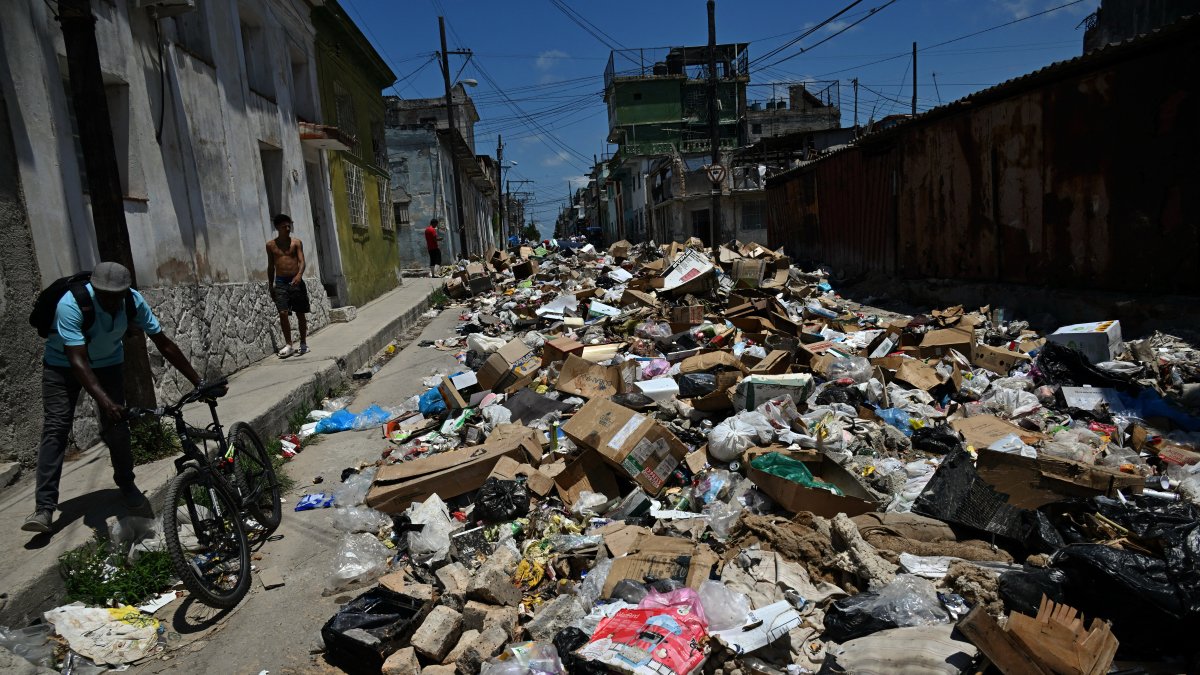
Garbage piled up in the streets of Havana.

The Trump administration's foreign policy toward the Western Hemisphere appears to have entered a phase of maximum pressure on the Havana regime.
Following the recent strategic coup that involved the capture of Nicolas Maduro, Cuba has been cut off from its main crude oil supplier, deepening an energy crisis that Washington is watching closely.
In recent weeks, the rhetoric coming from the White House and State Department has escalated to levels not seen in decades. According to an analysis of flight data published by CNN and picked up by various media outlets, U.S. surveillance and reconnaissance flights off the Cuban coast have seen a significant increase since February.
This technical deployment, added to the presidential statements, has rekindled the debate about a possible military intervention under a renewed version of the Monroe Doctrine, as pointed out by Axios.
"Incompetent Communists": Marco Rubio's diagnosis.
Secretary of State Marco Rubio, the son of Cuban immigrants and a key architect of regional policy, has been blunt in assessing the viability of the current system on the island. During a recent press appearance, Rubio asserted that the Cuban economic model is beyond repair.
"The reason they can't fix it is not just because they're communists. That's bad enough," Rubio declared. "But they are incompetent communists. The only thing worse than a communist is an incompetent one."
This diagnosis of "failed state" is shared in the corridors of the White House. A senior administration official told Axios that the regime has demonstrated a "total indifference to the suffering of the people" and has refused to implement reforms that would allow vital humanitarian assistance to enter.
According to the same source, the president prefers a diplomatic solution but will not allow the island to degrade to the point of becoming a major threat to U.S. national security.
The deterrence factor: aircraft carriers and long-range actions.
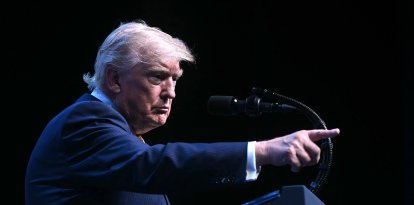
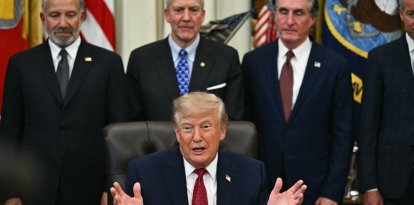
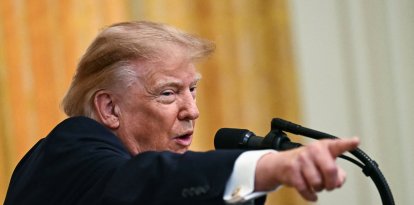
President Trump's posture has oscillated between military warning and confidence in an imminent domestic collapse. Last Friday, the president suggested that an aircraft carrier battle group returning from the Middle East could be positioned off the Cuban coast as a tool of ultimate persuasion.
In his characteristic style, Trump laid out a scenario of rapid surrender in the presence of U.S. naval power: "They could come in, stop about 100 yards off the coast, and they'll say, 'Thank you very much. We surrender.'"
Although Brazilian President Luiz Inácio Lula da Silva claimed that Trump privately assured him he has no intention of invading, the military moves suggest that all options remain on the table.
Experts such as Sebastian Arcos, of the Institute for Cuban Studies at Florida International University, believe that Washington's approach may have been reactivated following the stalemate in the Iran conflict.
Arcos posits that, rather than an invasion with troops on the ground, the U.S. government might opt for a "military action at a distance" designed to fracture the regime's leadership and allow the emergence of a new political leadership.
The imposition of new sanctions last Thursday has been described by the Cuban foreign minister as a "collective punishment" while the island faces an "energy blockade" that paralyzes its economy.
For Washington, these measures are nothing but the necessary response to a regime that has lost the support of Caracas and that is staggering under its own ideological weight.
With the arrival of May 20, the date marking Cuba's Independence Day, the climate of expectation and anxiety is growing in both Washington and Havana. The Trump administration seems convinced that the regime's time is running out and, as the president himself has expressed, the United States will be there "to help them" when the fall comes to fruition.

World
'I am potentially about to be kidnapped here in Cuba': Nick Shirley's distressing denunciation
Andrés Ignacio Henríquez
LATEST