Trump increases pressure for federal agencies to buy only US products
Trump's remarks come amid controversy over exemptions to the Buy American Act of 1933, which requires U.S. federal agencies to purchase goods that were produced domestically.

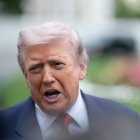
Donald Trump appearing at the White House on April 6, 2026.
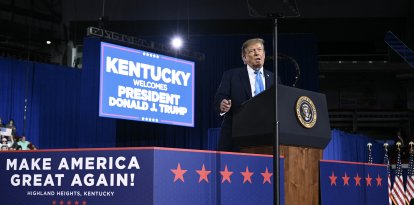
President Donald Trump on Sunday renewed his push for stricter domestic purchasing policies, declaring on his Truth Social account that any and all federal agencies must prioritize American-made products. "ALL FEDERAL AGENCIES MUST BUY AMERICAN — NO EXCUSES! For decades, Washington politicians sent your Taxpayer Dollars overseas, and let Foreign Countries rip us off while our Workers, Factories, and Supply Chains were left behind. That betrayal is OVER," the president wrote.
Trump's words come amid controversy over exemptions to the Buy American Act of 1933, which requires U.S. federal agencies to purchase goods produced in the country. In light of this fact, the Republican leader has repeatedly criticized what he considers an excessive use of such exemptions, arguing that they allow federal agencies to bypass U.S. manufacturers in favor of foreign suppliers.
In addition to his criticism of said exemptions, Trump has also been highly critical of numerous deceptive online marketing practices that fraudulently label imported products as made in the United States, noting that such tactics mislead domestic consumers. Although the president had already voiced his condemnations during his first administration, the truth is that at the beginning of his second term, he signed an executive order titled "Ensuring Truthful Advertising of Products Claiming to be Made in America," aimed at combating deceptive claims within digital marketplaces and by foreign sellers promoting goods as if they were of U.S. origin.
Far from stopping there, another of Trump’s most forceful actions during this second term has been increasing pressure on foreign manufacturers and automakers to expand their production within the country, linking trade negotiations to multi-billion-dollar investment commitments for new plants designed not only to boost employment but also exports.
LATEST