Cameron Hamilton's comeback: Trump nominates him to lead FEMA a year after firing him from the same post
Hamilton would receive a struggling agency. Kristi Noem's previous tenure at the helm of the Department of Homeland Security left a trail of resignations in droves, decisions that crippled operations, and a 75-day DHS shutdown that only ended on April 30.
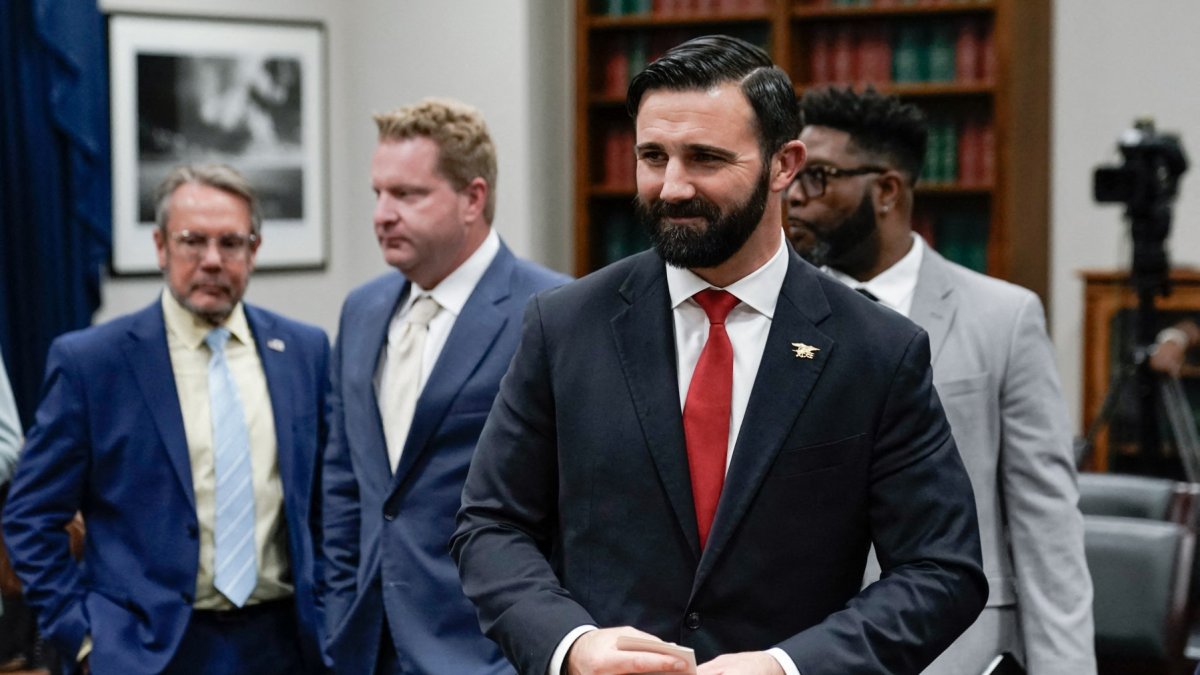
Former acting FEMA administrator Cameron Hamilton in a file photo

President Donald Trump on Monday nominated Cameron Hamilton to once again lead the Federal Emergency Management Agency (FEMA), in an unexpected twist that returns the former Navy SEAL to the same position from which he was removed in May 2025, a departure that came after he testified before Congress that eliminating the agency was not the best option for the United States, a stance that clashed head-on with the plans then being handled by Trump himself and his administration.
The new designation comes at a time when the White House has toned down its previous intention to dismantle FEMA, a regular target of Trump and Republicans who question a misuse of taxpayer dollars. If confirmed by the Senate, Hamilton will be the top adviser to the president and new Homeland Security Secretary Mark Wayne Mullin on emergency management and will become the agency's first permanent administrator during Trump's second term.
Until now, FEMA has operated under three interim heads, including Hamilton himself between January and May of last year.

Politics
DHS reverses Noem's policy that required the secretary to approve contracts over $100,000
Joaquín Núñez

Politics
Mullin proposes restructuring FEMA and eliminating spending review implemented by Noem
Sabrina Martin
Hamilton would receive a struggling agency. Kristi Noem at the helm of the Department of Homeland Security left a plethora of resignations, decisions that paralyzed operations, and a 75-day DHS shutdown that only ended on April 30. Adding to that complicated backdrop is the approaching hurricane season and pressure from a Trump-appointed council that last week recommended a sweeping overhaul of the agency, changes that would require congressional endorsement.
Although Hamilton advocated keeping FEMA, his nomination raised some controversy at the time, as he never headed a state or local emergency agency and in the past had criticized FEMA on social networks. However, his public defense of the federal role in assisting states and territories affected by disasters earned him respect within the trade and from previous critics. DHS officials even subjected him to a polygraph test on suspicion of leaks, which he passed without problems, although he himself said later that he already sensed his dismissal.
His brief stint at the agency did not go under the table, implementing substantial changes that generated debate. For example, under his watch, door-to-door work with disaster survivors was suspended, a multimillion-dollar resilience grant program was canceled, later reinstated by a federal judge, and the Department of Government Efficiency gained access to internal networks with personal data on disaster victims.
Confirmation in the Senate could run up against a legal requirement: the law calls for five years of executive experience and demonstrated knowledge of emergency management and homeland security. Hamilton was a Navy corpsman, spent a decade with SEAL Team Eight, was a crisis specialist at the State Department, and was director of emergency medical services at DHS.
LATEST