Congress backs Trump: House of Representatives also rejects limiting military actions in Iran
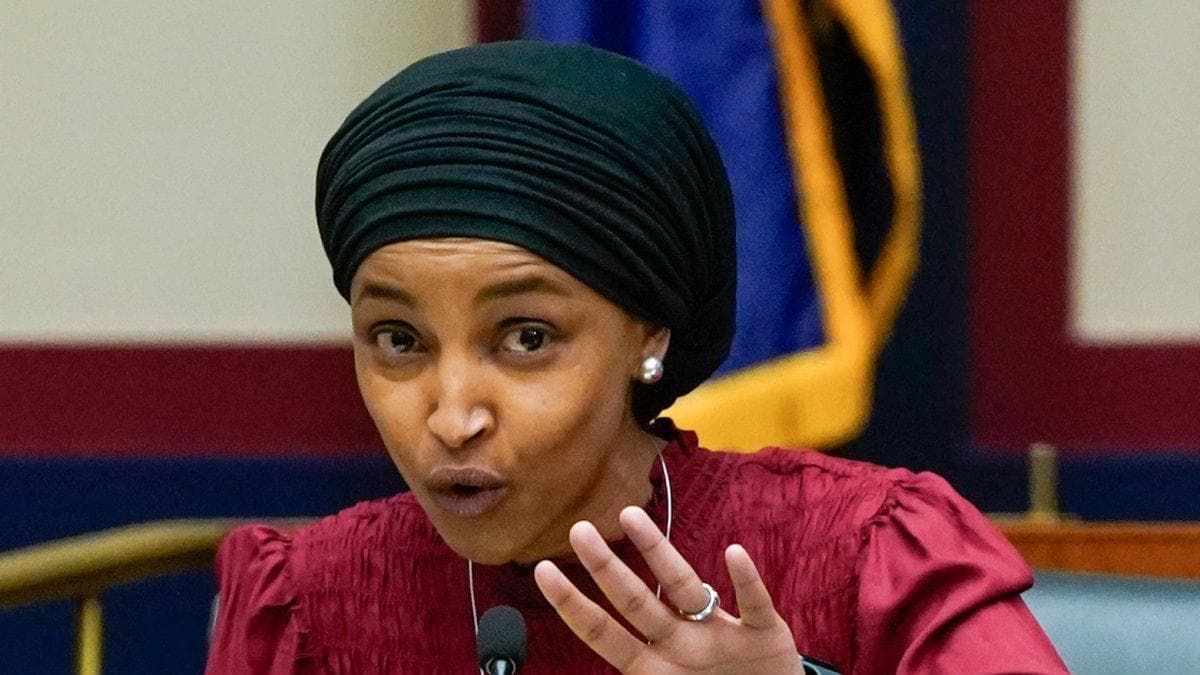
By a 219-212 vote, lawmakers rejected a war powers resolution co-sponsored by Republican Rep. Thomas Massie and Democrat Ro Khanna.
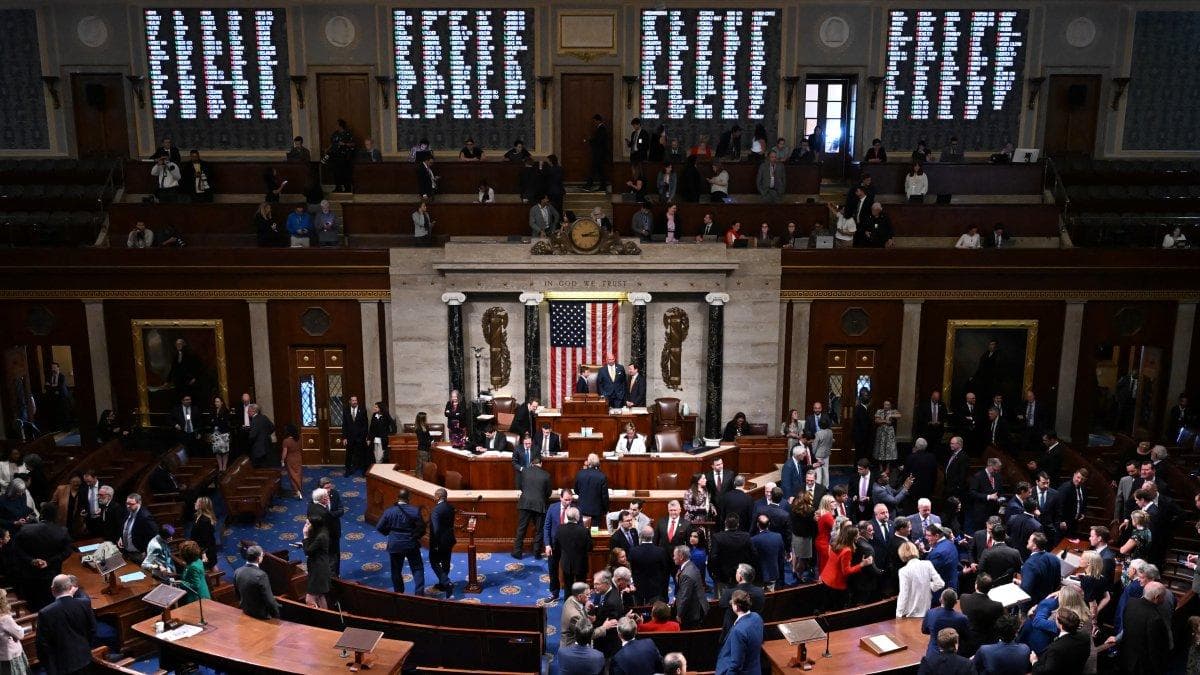
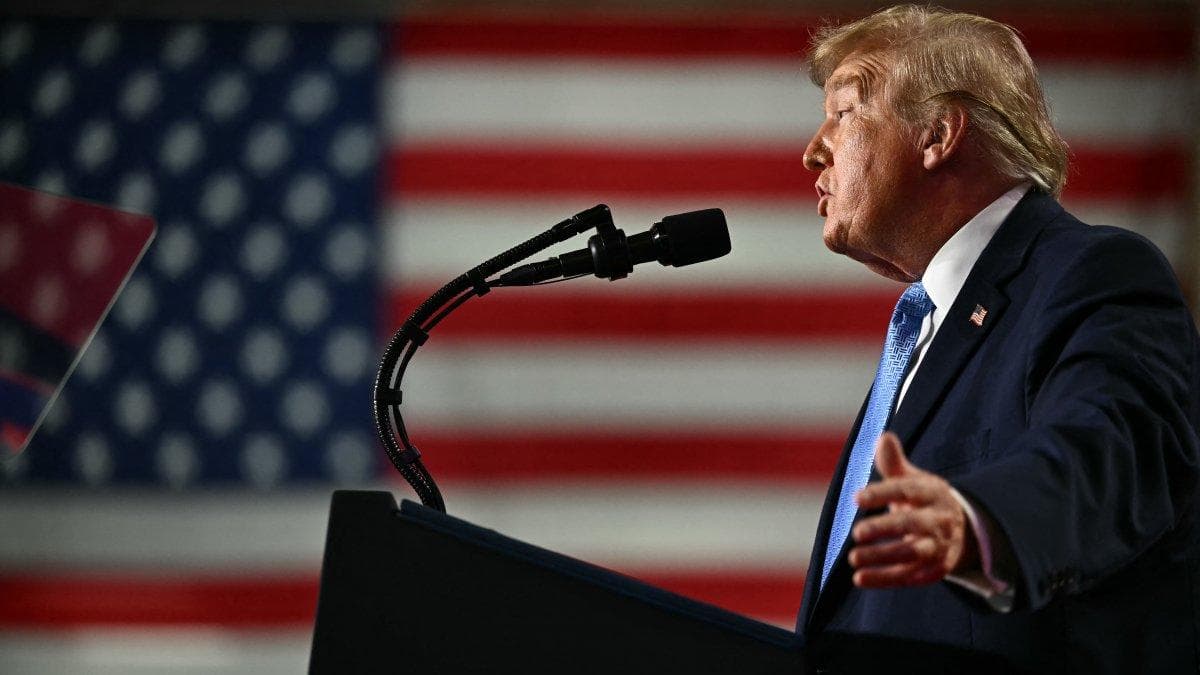
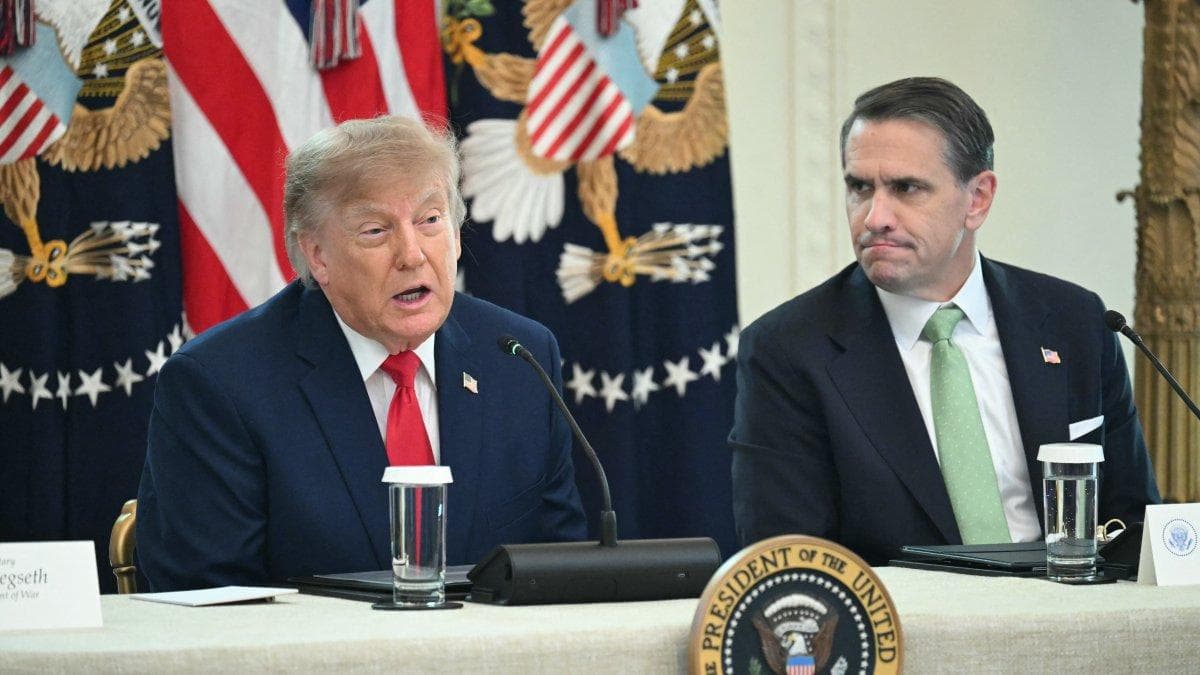
The US House of Representatives voted Thursday against a bipartisan effort that sought to limit military action by President Donald Trump's administration in Iran, effectively allowing the Republican leader to continue operations in the Persian nation. With 219 votes against and 212 in favor, lawmakers rejected a war powers resolution co-sponsored by Republican Rep. Thomas Massie and Democrat Ro Khanna. That measure would have called for a cessation of the offensive against Iran unless Congress explicitly authorized military action.
This House decision came just a day after the Senate rejected a similar measure. With Republicans in control of both houses of Congress, their leaders have made clear that they believe Trump has had the legal authority to initiate the air and naval strikes against Iran over the weekend, which ended the life of the ayatollah Alli Khamenei. These actions have been met with strong retaliation from Tehran, after the theocratic regime launched drones and missiles across the region. So far, the conflict has resulted in the deaths of six U.S. soldiers and more than 1,200 Iranians.
House Speaker Mike Johnson defended the administration's approach, calling passage of a war powers resolution at this time a dangerous idea. "It would empower our enemies, immobilize our own forces and take away from the U.S. military and the commander in chief the ability to complete this crucial mission to keep everyone safe," Johnson said at a news conference Wednesday.
The vote was mostly along party lines: only two Republicans supported the resolution along with Democrats, while four Democrats voted against it.
Democratic move
🛠 Do you think there is an error in this article?
Recommendations




LATEST