ANALYSIS
The lesser-known clause of the Big Beautiful Bill that could mark the economic and strategic future of the US
At issue is the auction of radio spectrum for commercial use, which is expected to generate at least $100,000 in revenue for the federal government.

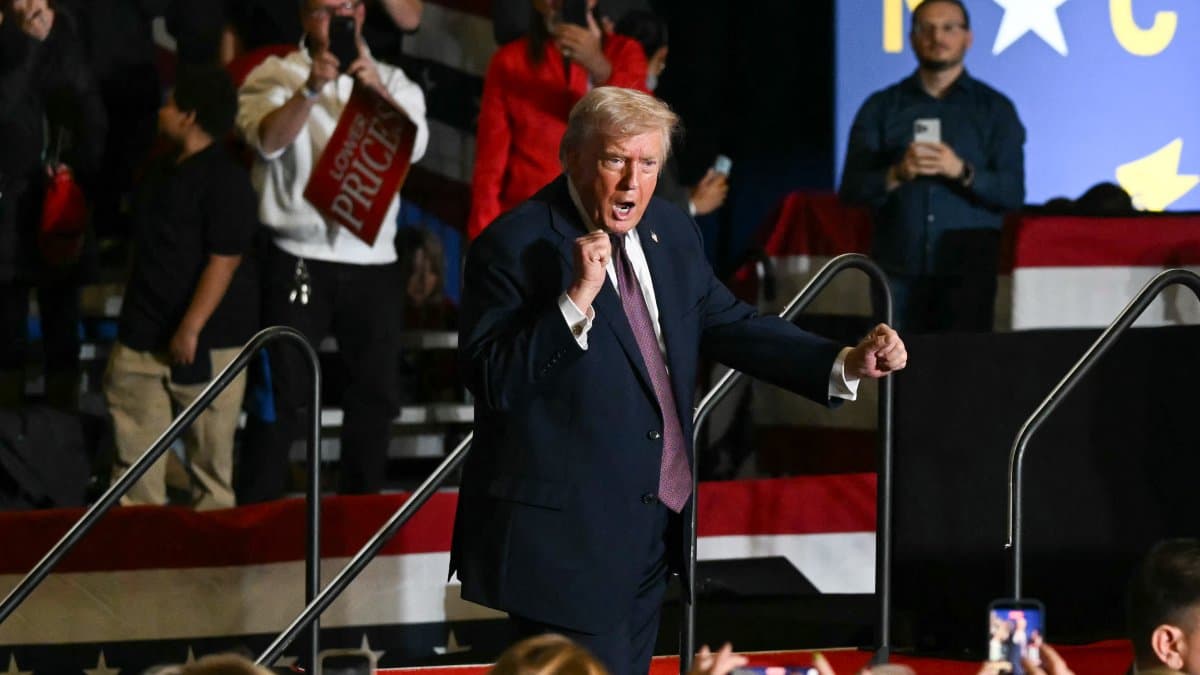
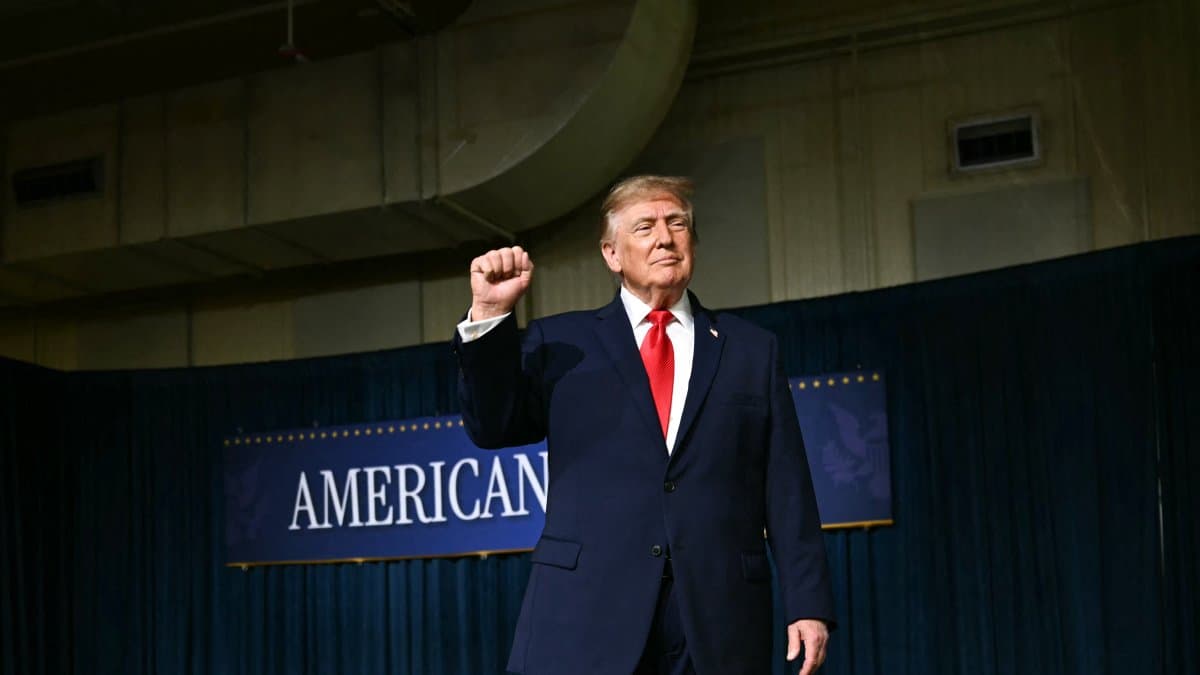
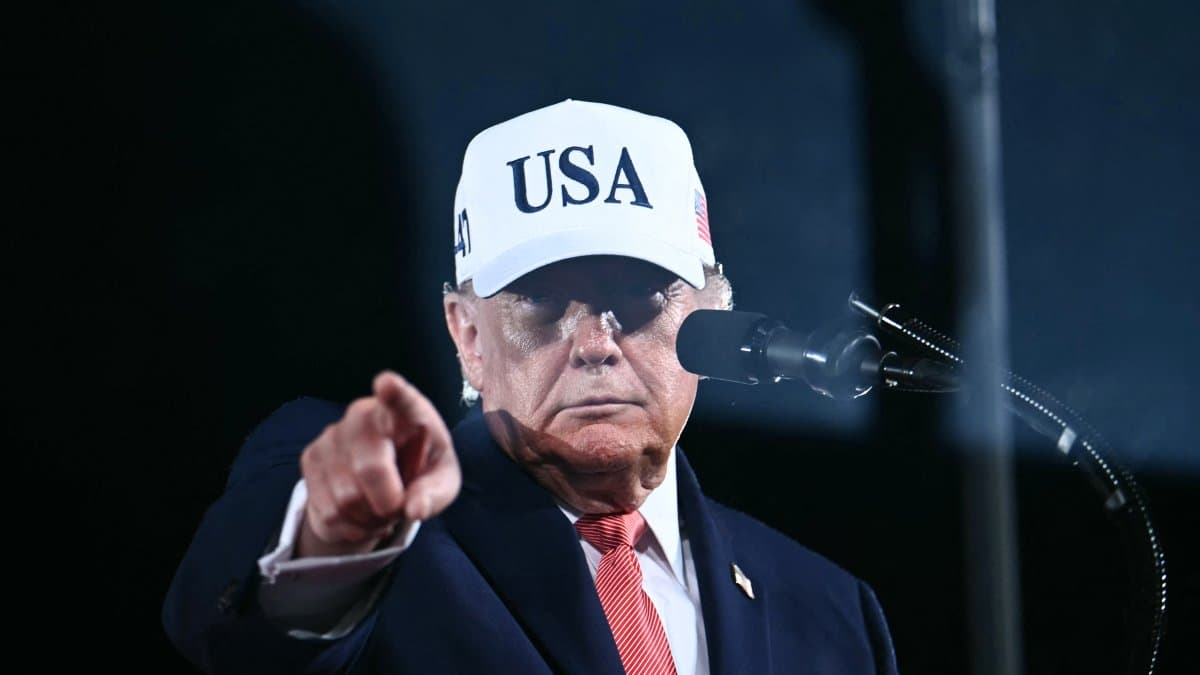
Donald Trump signed the Big Beautiful Bill in July, now also called the Working Families Tax Cuts Act, the flagship legislation of his second stint in the White House. Among other things, the law expanded the 2017 tax cuts (also enacted by Trump), cut government spending, earmarked $16 billion for border security, revamped Opportunity Zones, expanded the defense budget, and established the famous "Trump Bills."
However, there is one provision that, while it has not received much press or public outreach, may be one of the most strategically important for the future. A silent measure, but of great strategic and structural impact. It is the auction of the radioelectric spectrum for commercial use.
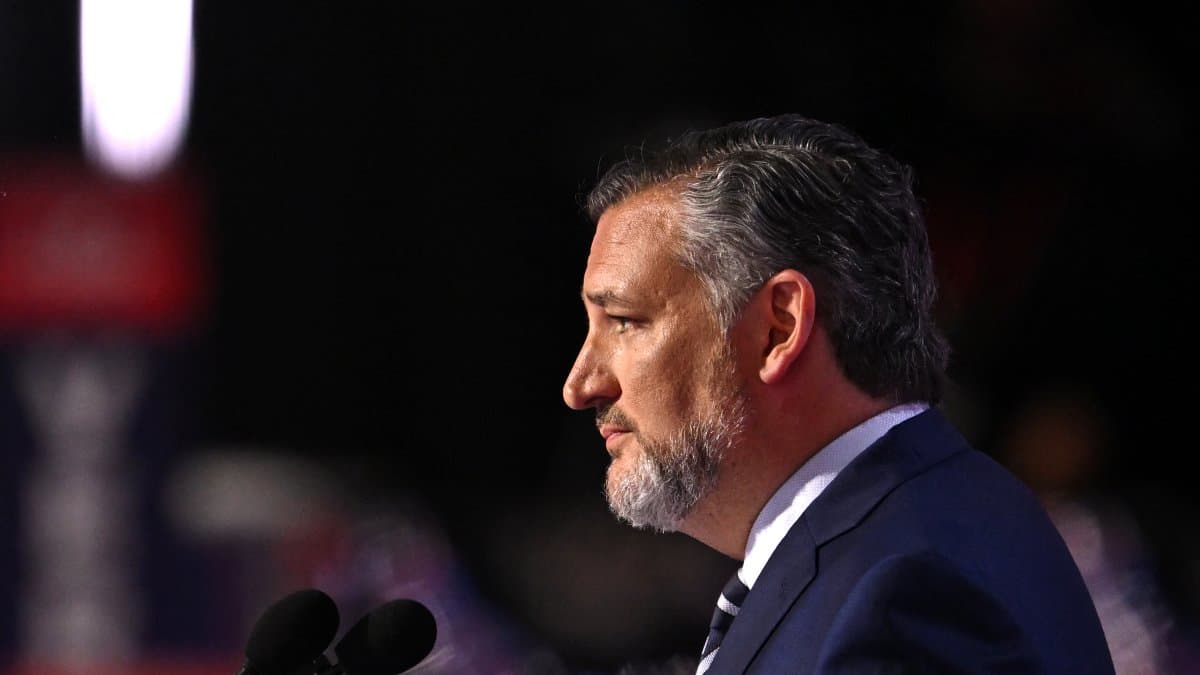
This part of the bill was pushed by Senator Ted Cruz (R-TX) through the Senate Committee on Commerce, Science and Transportation.

Politics
Trump celebrated historic drop in crime and linked it to southern border closure
Joaquín Núñez
While the word spectrum may be unfamiliar to 95% of the population, it is present in the daily lives of Americans. Indeed, the spectrum is the set of frequencies over which wireless communications operate, and it is one of the pillars of modern life.
On the spectrum depend Wi-Fi, mobile data such as 4G and 5G, cellular calls, GPS, satellites, and various logistical and military systems. It is critical infrastructure, as essential as roads, power grids, or ports, but invisible to the eye.
In the strategic field, the same bands that enable high-speed commercial services are essential for defense systems, intelligence, logistics and emergency response.
What is radio spectrum and why is it important?
In the United States, radio spectrum is wholly owned by the federal government, which manages it through two agencies: the Federal Communications Commission (FCC) and the National Telecommunications and Information Administration (NTIA).
The government does not sell the spectrum; rather, it grants licenses for a term through auctions, in which companies pay billions of dollars to obtain the exclusive right to use certain bands.
Through this auction scheme, private investment and innovation are encouraged, also generating significant revenue for the Treasury.
Under the Biden administration, the government allowed the FCC's authority to auction spectrum to expire. Because Congress did not renew the agency's authority to divide up spectrum, this process was stalled as of 2023.
Politics
Bipartisan Support: Vast Majority of Americans Favor Ousting Nicolás Maduro
Emmanuel Alejandro Rondón
The result was a locked-in system: less spectrum available to the private sector, less investment in networks, more congestion, and a loss of competitiveness against countries such as China, which moved forward with more coordinated and aggressive strategies for technological deployment.
According to the Big Beautiful Bill, the federal government authorized the auction of 800 megahertz of spectrum to the private sector, which is projected to generate at least US$100 billion in revenue.
To avoid reaching that bottleneck in the near future, the law also renewed the FCC's authority to auction spectrum until September 2034. The measure is also expected to affect prices, as more companies will enter the market.
On a geopolitical level, this measure seeks to strengthen the country's ability to innovate, deploy new technologies and sustain its digital leadership, particularly in a field where China has grown significantly over the last decade.
Beijing has treated spectrum as a strategic asset, planning its allocation, subsidizing infrastructure and pushing centralized standards in 5G.
"More people installing towers, more people building"
In one of his latest 2025 podcasts, Senator Cruz addressed the return of spectrum auctions, underscoring their strategic importance going forward.
There, he underscored the value of radio spectrum, noting that it is critical to "beat China in the race for 6G, and you have to have the spectrum to invest in that."
"What that means is you're going to see, you're going to see the big phone companies, you're going to see AT&T and Verizon and Sprint investing tens of billions of dollars into new capacity to use that spectrum. All of that means more jobs. That means more people setting up towers, more people building. That innovation, it also, it supercharges the tech world, much of the AI world winning the race for AI. Having that spectrum available means the private sector, they can compete for all sorts of different uses for using that spectrum," Cruz stated.
🛠 Do you think there is an error in this article?
Recommendations


LATEST