






Senate confirms 97 new Trump nominees and raises 2025 total above Biden's first year
With Thursday's votes, the Senate approved the last block of nominations before the legislative recess and brought the number of confirmed 2025 nominees to 417.

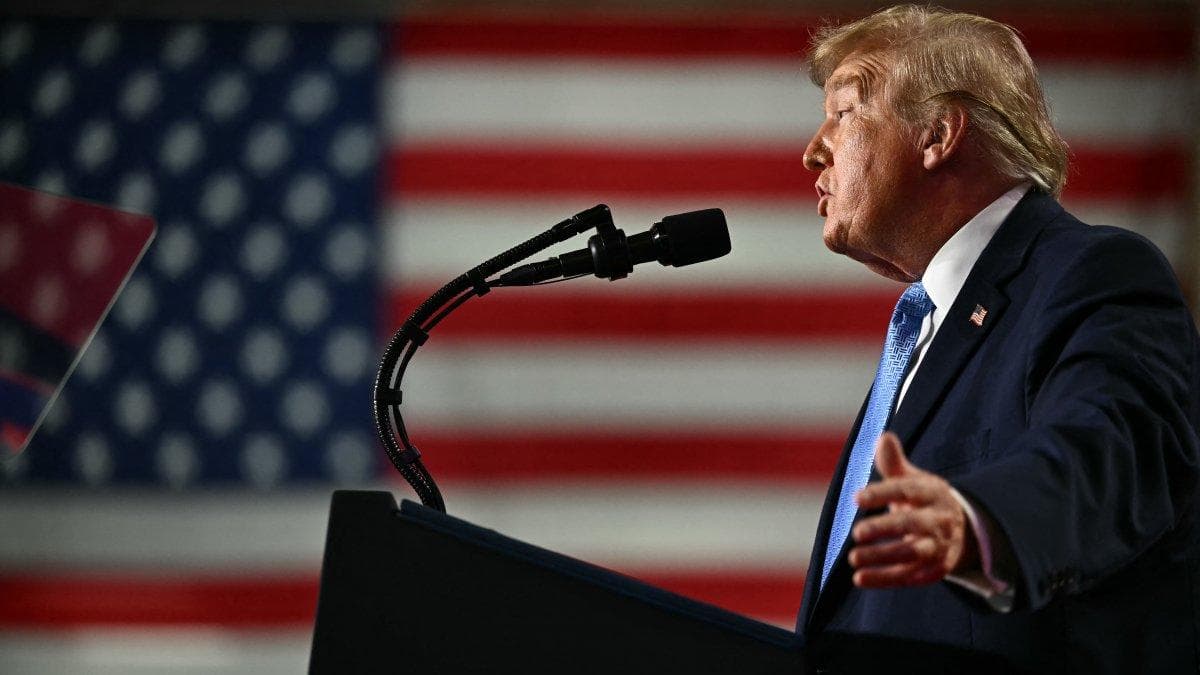
The Senate closed out the 2025 legislative year on a positive note for President Donald Trump, who saw from the White House as Republicans moved forward with 97 new confirmed nominations, bringing the 2025 total to 417, a number that exceeds that achieved by Democrats during Joe Biden's first year.
The latest chapter in this confirmation process came in the run-up to the year-end recess, on a 53-43 vote in favor of confirming nominations. This final batch of nominations substantially reduced the backlog of pending nominations, which during the summer had reached nearly 150.
Among the nominations endorsed by the Senate are Anthony D'Esposito, a former Republican legislator from New York, who was confirmed to serve as inspector general of the Department of Labor, as well as James Murphy and Scott Mayer, approved to serve on the National Labor Relations Board. The confirmations also cover other officials distributed in practically all federal agencies, completing a broad batch of appointments within the Executive Branch.
Politics
Senate Republicans win massive confirmation of more than 100 Trump nominees
Emmanuel Alejandro Rondón
Although the confirmations finally took place, they occurred amid systematic obstruction by Democrats, who maintained blanket objections even to low-ranking positions within the Executive Branch. The Democratic strategy, in general, consisted of blocking the usual fast-track approval mechanisms, such as unanimous consent or voice votes, forcing the majority to resort to roll-call votes on the floor repeatedly.
Faced with that scenario, Republicans changed strategy and, in September, opted to modify the Senate's internal rules and activate the so-called nuclear option, lowering the threshold required to confirm officials below Cabinet level and enabling simultaneous voting on multiple nominations. The decision was key to unlocking the process, which had appeared unworkable, and favored White House objectives. However, it also raised tensions between the two blocs.
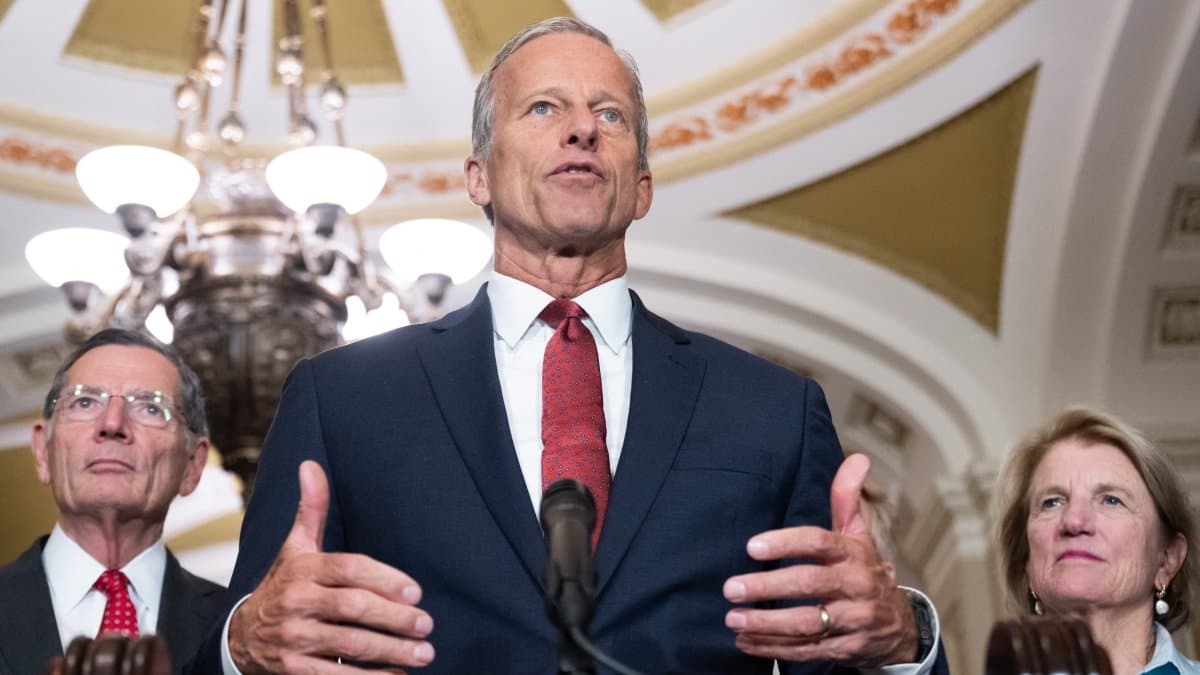
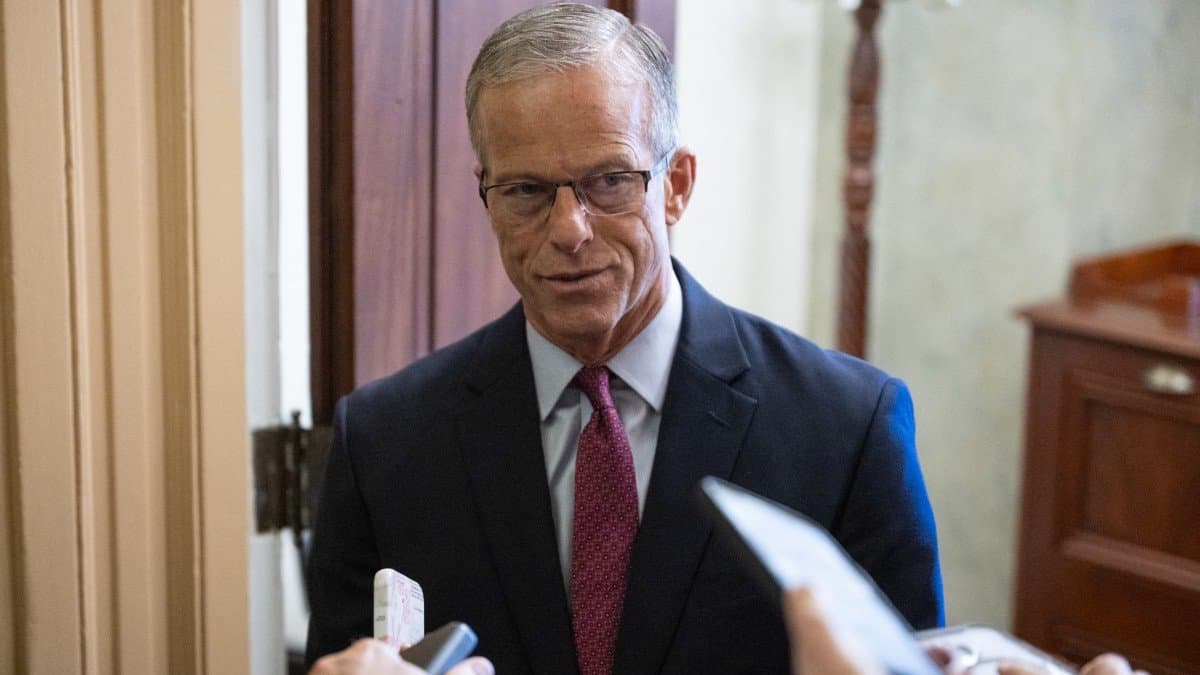
The majority leader, John Thune, argued that the Senate's priority was to ensure that President Trump has the necessary team to exercise the mandate granted by the voters. The Republican bloc accused Democratic leader Chuck Schumer of using obstruction as a political tool, while Democrats defended the strategy as part of the traditional rules of the Senate.
Despite the breakthrough recorded on Thursday, the pulse in the Senate continues.
Under Senate rules, Democrats can still force unconfirmed nominations to be returned to the White House at the close of the year, forcing the president to restart the process in 2026. Sen. Dick Durbin called this practice "business as usual," although Republicans see it as a prolongation of the conflict.
🛠 Do you think there is an error in this article?
Recommendations






LATEST