






20 Republicans defy Trump and align with Democrats to reverse federal union ban
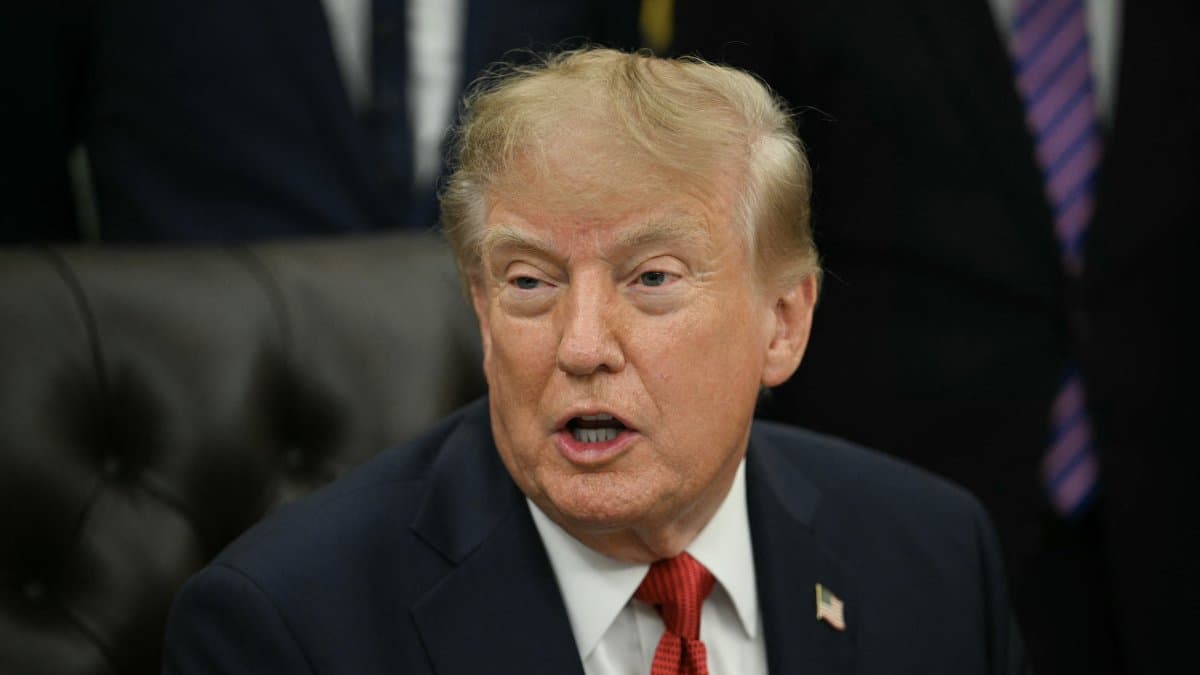
The executive order, signed by Trump last March, restricted collective bargaining in key agencies of the federal government, including sectors of the Departments of Defense, State, Justice, Energy and Veterans Affairs.

A total of 20 Republican lawmakers joined the Democratic bloc in the House of Representatives on Thursday to pass a bill seeking to reverse one of President Donald Trump's executive orders that would block most unions in federal agencies.
The initiative, pushed by Maine Democrat Jared Golden through a discharge petition, forced a floor vote that rattled Republicans. The mechanism, uncommon but effective when there is majority support, allowed the Protect America's Workforce Act to advance with 231 votes in favor and 195 against. All the unfavorable votes were cast by Republicans.
The executive order, signed by Trump last March, restricted collective bargaining in key federal agencies, including the Departments of Defense, State, Justice, Energy, and Veterans Affairs. It also affected workers in DHS, Treasury, Interior, Agriculture, and Health and Human Services. The measure drew both criticism and praise, and was among the most hotly contested at the time.
For Oversight Committee Chairman James Comer (R-KY), reversing President Trump's measure amounts to re-incentivizing telecommuting in the Federal government, something that, he argued, Americans rejected by electing Trump and a Republican Congress.
Politics
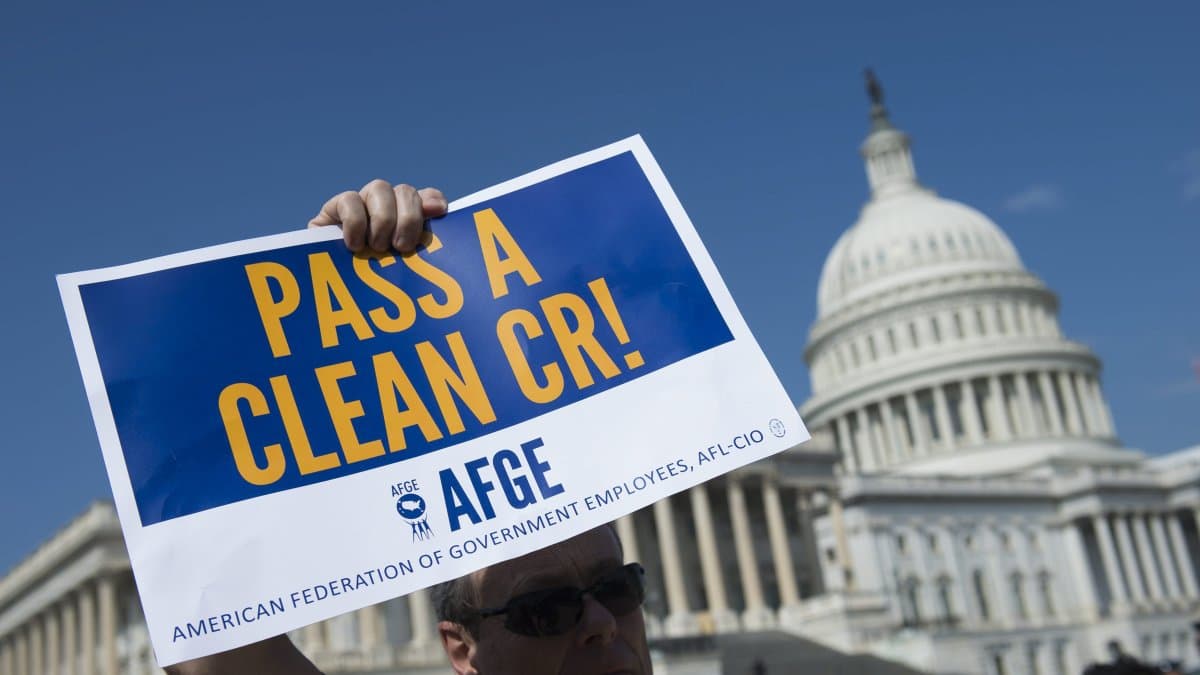
Major unions revolt against Democrats: AFGE demands passage of continuing resolution ‘today’
Santiago Ospital
Comer recalled that even Franklin D. Roosevelt, a historical and representative figure of private unionism, opposed public sector unions because they negotiate directly with elected representatives and not with for-profit companies.
Despite Comer's argument, several Republicans advocated for restoring union rights in the civil service. Lawmakers such as Rob Bresnahan and Mike Lawler pointed out that federal employees, many of them veterans or workers in sensitive areas such as prisons and elder care, deserve the same basic job guarantees as any other private-sector worker.
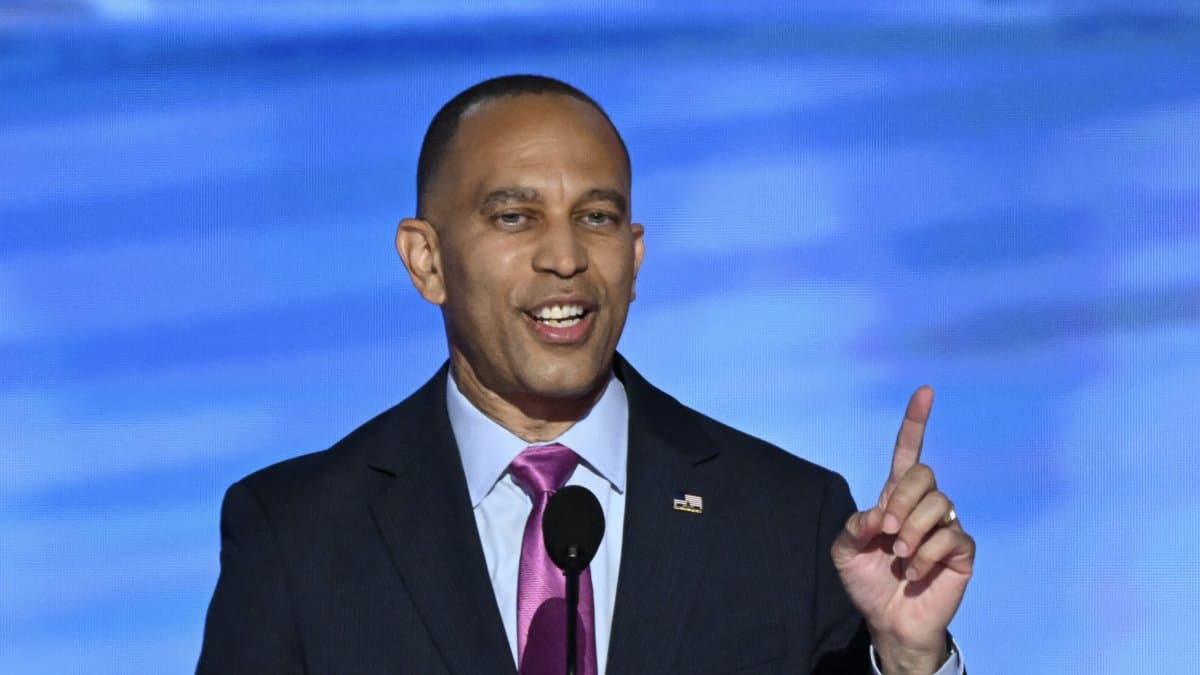
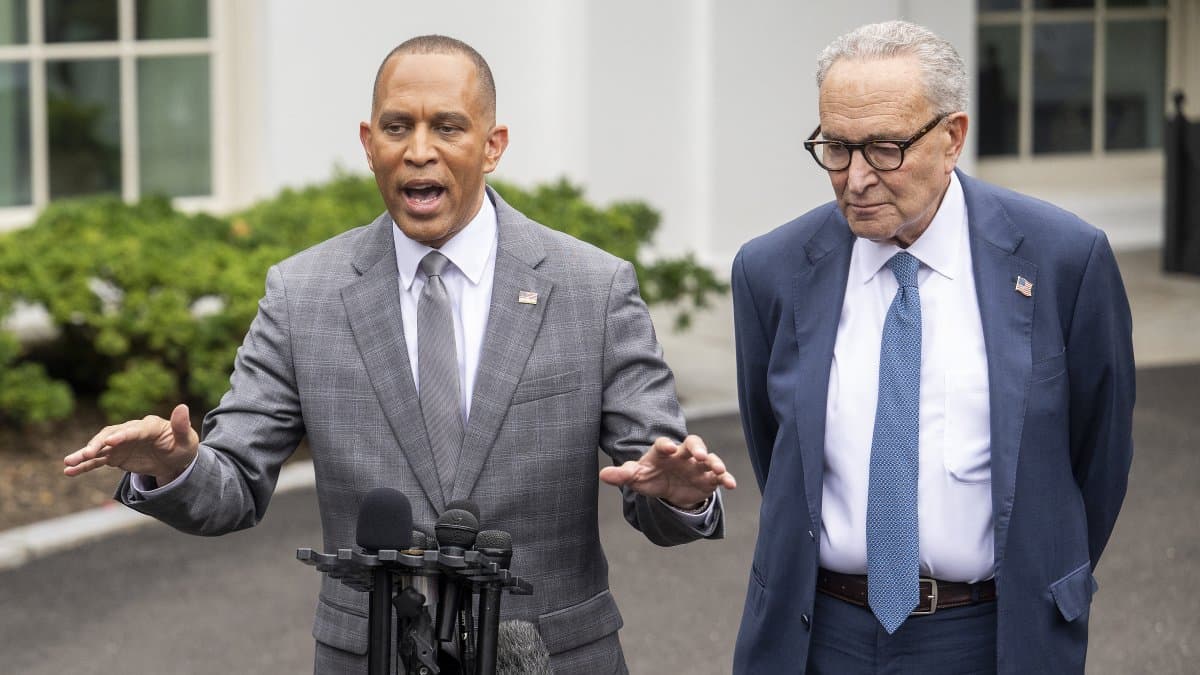
Hakeem Jeffries, the House Democratic leader, celebrated the unprecedented bipartisan consensus and defined collective bargaining in the federal government as "essentially the freedom to negotiate the best possible work environment." The bill's passage in the House was a success.
While the bill sailed through the House, the text still faces a complex path in the Senate and, if it reaches his desk, would need the signature of President Donald Trump, who has insisted on reducing the power of unions in the federal bureaucracy.
The split Republican vote anticipates a new internal battle over the future of the administrative state and the scope of presidential authority.
🛠 Do you think there is an error in this article?
Recommendations


LATEST