






Texas Supreme Court allows judges to refuse to marry same-sex couples on religious grounds
The change ordered by the Texas Supreme Court comes after a federal appeals court asked it earlier this year to clarify a question about state law.
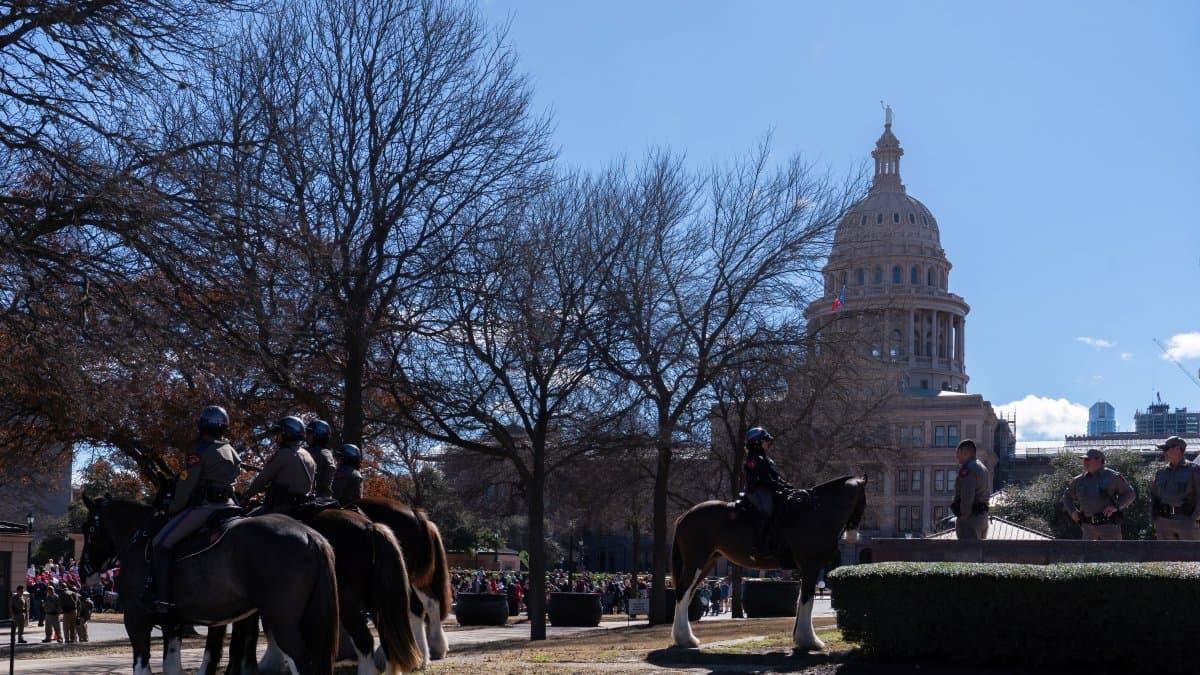
The Texas Supreme Court ruled last Friday that judges in the state can now refuse to perform marriages for same-sex couples on religious grounds. While Texas' highest court did not include a clear justification in its amendment to the judicial code of conduct, its ruling amends Canon 4 of the state's Code of Judicial Conduct and was officially signed. The decision follows years of debate over whether or not Texas judges were obligated to officiate at same-sex ceremonies, even if the act might offend their own religious beliefs.
In its written commentary on the new interpretation of the Code of Judicial Conduct, the Texas Supreme Court noted, "It is not a violation of these canons for a judge to publicly refrain from performing a wedding ceremony based upon a sincerely held religious belief." The comment was added in a code section dealing with extrajudicial activities.
Society
DOJ to deploy poll watchers to six California and New Jersey counties after Republican requests
Emmanuel Alejandro Rondón
Lawsuit against the state of Texas
The change ordered by the Texas Supreme Court comes after a federal appeals court earlier this year asked it to clarify a question about state law. In that case, a North Texas official named Brian Umphress filed suit against the state in federal court after expressing concern about the possibility of receiving a penalty if it refused to officiate same-sex marriages while continuing to perform weddings between heterosexual couples.
Umphress, who is a Waco County judge, argued in his lawsuit that conducting same-sex marriages contravened his religion and added that forcing him to perform this act represented a clear violation of his right to religious freedom. His case was eventually elevated to the Fifth Circuit Court of Appeals, which then raised the question to the Texas Supreme Court.
According to Umphress' account, his lawsuit was a response to the State Commission on Judicial Conduct's 2019 decision to warn a conservative Waco judge named Dianne Hensley that she was violating state rules requiring judges to act impartially. In response, Hensley sued the commission and eventually the warning was withdrawn. Last year, the Texas Supreme Court ruled that Hensley had standing to sue the commission.
Freedom to refuse to perform same-sex marriages
Same-sex marriage was legalized in Texas in 2015, after the U.S. Supreme Court issued its ruling in Obergefell v. Hodges, forcing all states to issue marriage licenses to same-sex couples. In 2022, the federal Respect for Marriage Act established legal protections for such marriages and required all states to recognize same-sex marriages validly entered into in another state.
🛠 Do you think there is an error in this article?
Recommendations





LATEST