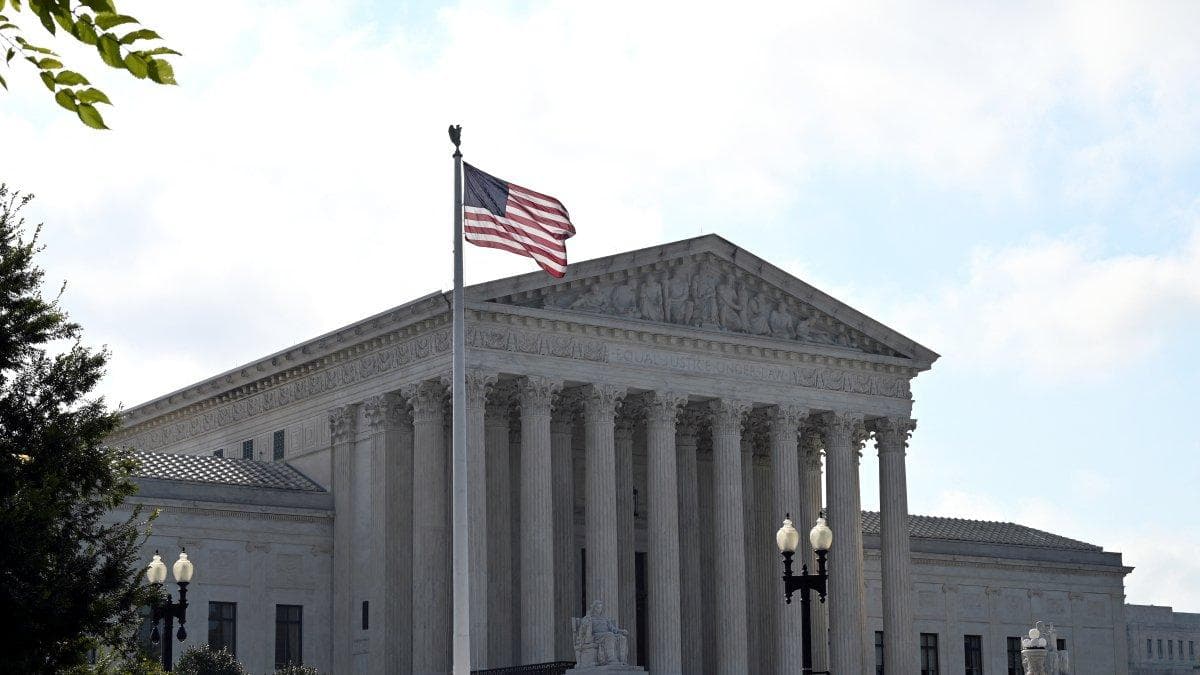
Maxwell's deposition on hold while Supreme Court considers her appeal
The testimony was scheduled for Aug. 11, but attorneys for Jeffrey Epstein's accomplice asked to postpone it.
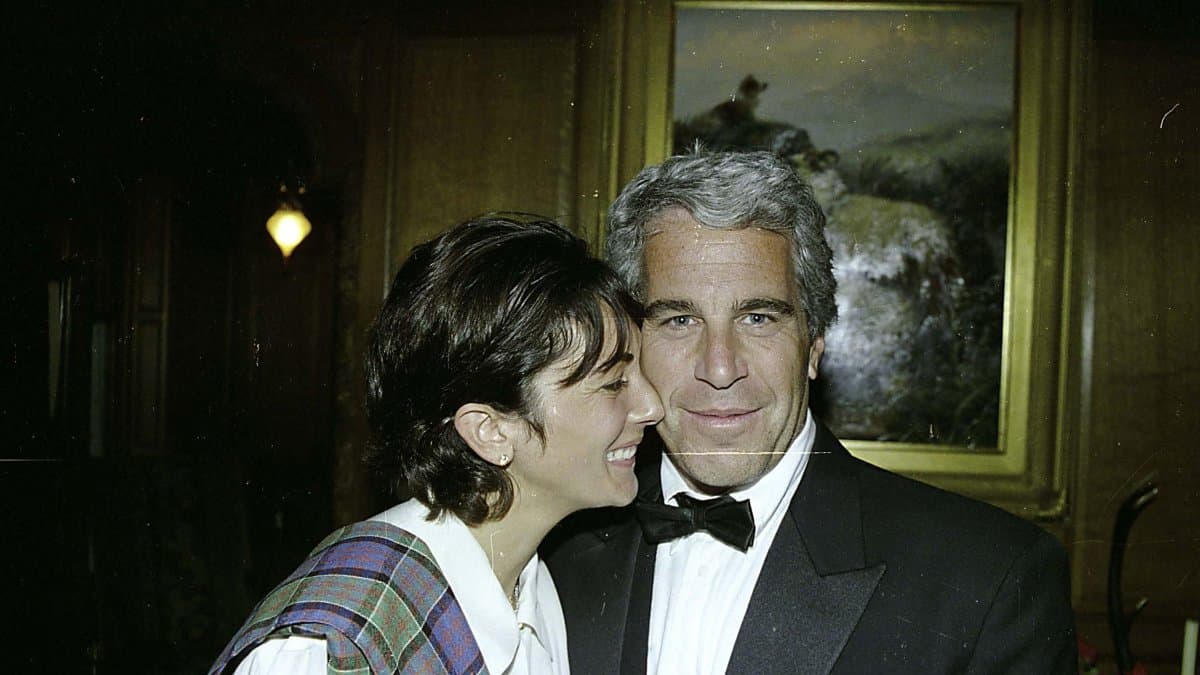

The chairman of the House Oversight Committee, James Comer, reported Friday that the testimony of Ghislaine Maxwell, an accomplice of sex offender Jeffrey Epstein, has been postponed indefinitely. The testimony was scheduled for Aug. 11, but Maxwell's lawyers requested a postponement while the Supreme Court evaluates an appeal related to her 2021 sex trafficking conviction.
Committee rejects immunity and other demands.
While the committee agreed to the continuance, Comer made clear that Republicans are not willing to grant Maxwell immunity or modify the terms of the questioning, also rejecting a request to send the questions ahead of time.
"Your testimony is vital to the Committee’s efforts regarding Mr. Jeffrey Epstein, including the 2007 non-prosecution agreement and the circumstances surrounding Mr. Epstein’s death," Comer stated in the letter sent to Maxwell's defense.
Maxwell's lawyers had conditioned their cooperation on those procedural demands. While Comer stated that the committee is willing to continue to negotiate "in good faith," he made it clear that they will not budge on aspects that could compromise the integrity of the process.

Awaiting the Supreme Court
The appeal pending before the Supreme Court argues that the non-prosecution agreement signed by Epstein in 2007 also protected Maxwell and that his 2021 conviction should be deemed invalid for that reason.
Originally, the hearing was to be held at the Tallahassee, Florida, prison where Maxwell was being held. However, she was recently transferred to a minimum security prison in Texas for undisclosed reasons.
Renewed Interest in Epstein Case
For now, the committee has not set a new date for the deposition. The decision to postpone reflects both the complexity of the legal process and the Republican bloc's determination not to accept conditions that could limit the effectiveness of the questioning.
🛠 Do you think there is an error in this article?
Recommendations




LATEST