Trump weighs reinforcing Kyiv's air defense with new Patriot system
The decision comes in the wake of Russian President Vladimir Putin's latest refusal to end the conflict.
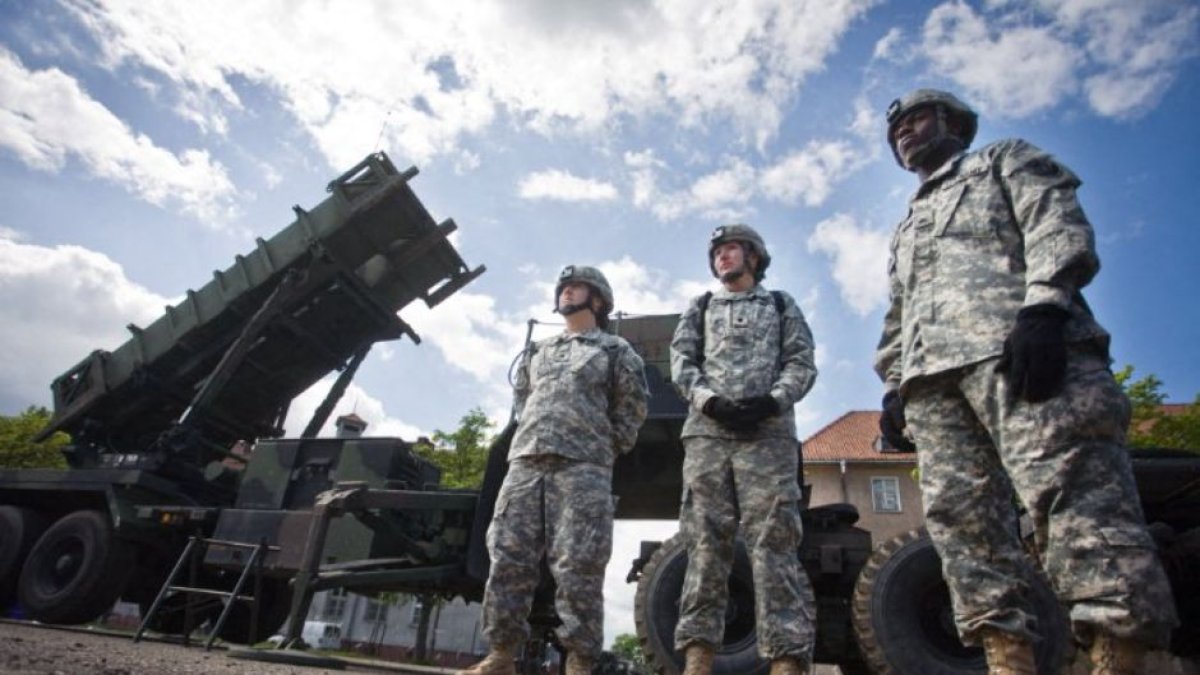
U.S. soldiers in front of a Patriot missile battery.

Donald Trump is considering authorizing the dispatch of an additional Patriot air defense system to Ukraine, in what would be a significant shift in his international strategy. The decision follows Russian President Vladimir Putin's latest refusal to end the conflict, two U.S. officials confirmed Tuesday.
If finalized, it would be the first time Trump has approved the supply of an advanced weapons system to Kyiv outside the equipment previously authorized during the Biden Administration. The move takes on significance amid a new wave of Russian missile and drone attacks on Ukrainian territory, which have left dozens of casualties and increased pressure on Washington to bolster its ally's defense.
Ukraine calls for more air defense
Currently, Ukraine has few Patriot systems—one of the most effective tools for intercepting missiles—provided by the United States, Germany, and a group of European countries. However, they are not all operational at the same time due to technical and maintenance constraints. Each system has launchers, radars, a control center, and interceptor missiles, and their deployment has been crucial in mitigating the impact of Russian attacks.
In the face of the deteriorating situation on the front lines, the possibility of other allied nations contributing similar equipment is also being evaluated in a context marked by a global shortage of interceptors due to simultaneous conflicts in Eastern Europe and the Middle East.
World
Trump assured Zelensky he was not behind the halt in arms deliveries to Ukraine and stated he "will send more weapons"
Emmanuel Alejandro Rondón
Shift in posture toward Moscow
Assessing economic sanctions
Trump also confirmed that he is evaluating a bill to impose sanctions or tariffs on countries that are collaborating with the Russian invasion. The measure, pushed by Republican Senator Lindsey Graham and backed by more than 80 senators, seeks to increase economic pressure on Moscow, whose war economy is already affected by international sanctions.
However, a person familiar with Trump's strategy pointed out that the bill still does not offer the executive branch enough flexibility, so the White House is negotiating adjustments with Congress.
LATEST