Panama confronts China at the OAS amid growing U.S. partnership
The diplomatic clash over Canal ports signals a shift away from Beijing’s influence and closer ties with Washington.
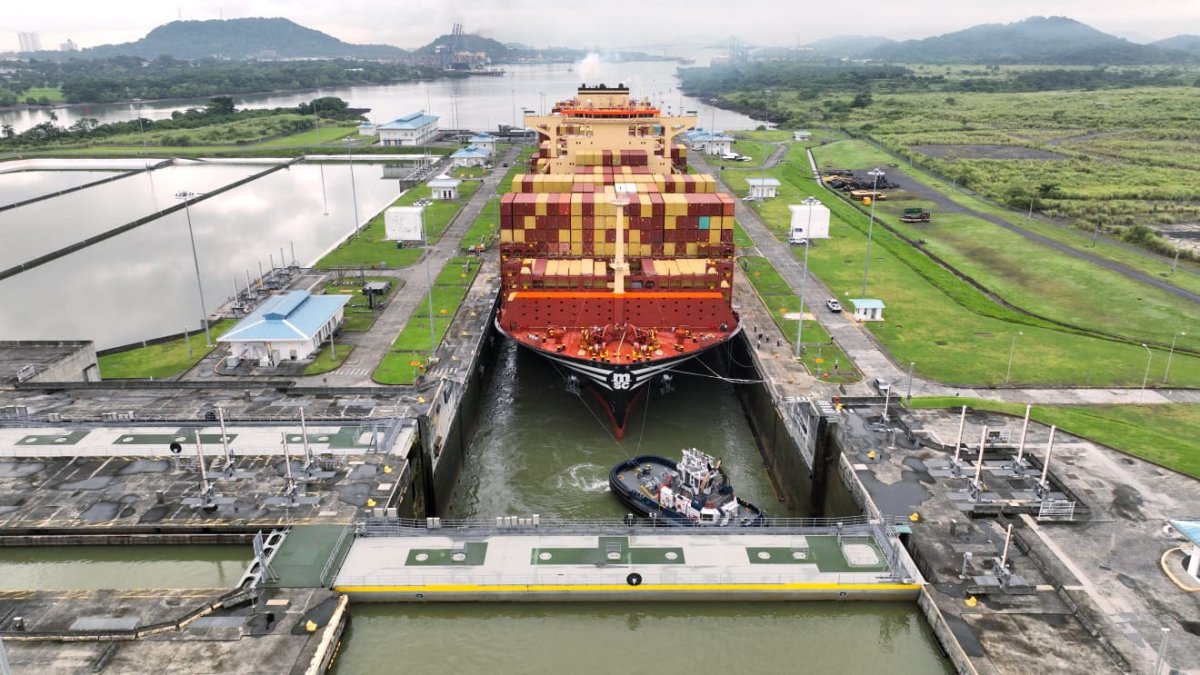
Canal de Panamá
This week, a major diplomatic confrontation unfolded at the OAS, highlighting the effectiveness of the Trump Administration’s policy of strengthening alliances with countries across the Hemisphere and pushing U.S. adversaries out of the region.
During the 56th General Assembly of the Organization of American States (OAS) in Panama City, a major clash took place between China’s ambassador to the OAS, Xie Feng, and Panama’s Foreign Minister Javier Martínez-Acha. China criticized the Panamanian government’s decision to cancel the concession of two ports operated by a company linked to the Hong Kong-based conglomerate CK Hutchison. Xie Feng warned that the measure harmed Chinese companies, but Panama responded firmly and defended its right to review the contracts and protect its national interests.
The Chinese ambassador challenged the ruling by Panama’s Supreme Court that impacted the port operator’s activities and urged the Panamanian government to 'correct its mistakes' and guarantee the protection of Chinese companies’ interests. Panama’s Foreign Minister responded: 'I must say that your representatives in my country do not understand Panama’s democratic system.'
The episode is the latest development in the growing tensions between Panama and China over control and economic influence in strategic sectors, particularly those related to the Panama Canal ports, an area of significant geopolitical interest for both China and the United States.
The Supreme Court decision that angered China
The dispute centers on Panama Ports Company (PPC), a subsidiary of the Hong Kong-based conglomerate CK Hutchison Holdings, which since 1997 had held the concession to operate the Balboa and Cristóbal ports, located at the Pacific and Atlantic entrances of the Panama Canal. These terminals hold a strategic position in international maritime trade due to their location.
In January 2026, Panama’s Supreme Court declared PPC’s concession contracts unconstitutional. The court determined that the agreements granted the company tax benefits and exclusive privileges that were inconsistent with Panama’s Constitution. The decision sparked a new dispute with China, as PPC belongs to a conglomerate whose interests China has publicly defended on previous occasions.
Panama’s Strong Response Backed by President Mulino
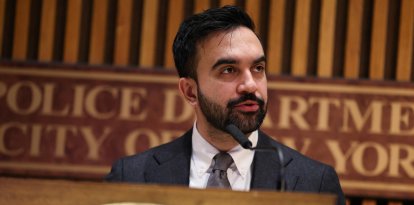
In response to China’s criticism, Panama’s Foreign Minister said during the OAS General Assembly: “I must say that your representatives in my country do not understand Panama’s democratic system. They repeatedly asked me to intervene in a decision made by an independent branch of government in order to reverse a ruling that my government can only obey... I invite you to de-escalate, I invite you to speak respectfully, but I also invite you to respect my Constitution, just as I respect yours.”
Following the diplomatic clash, Panama’s President José Raúl Mulino posted the following message on his X account: “I fully support what Foreign Minister Martínez-Acha expressed today at the OAS regarding the intervention by the observer from the People’s Republic of China. The defense of our interests is one and indivisible.”
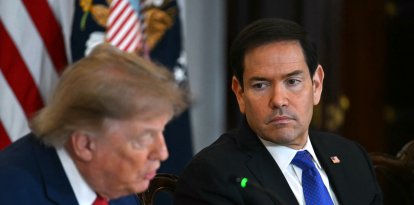
This episode highlights the effectiveness of the Trump Administration’s policy aimed at curbing the expansion of Chinese influence in Latin America. The OAS dispute comes amid a broader confrontation between the United States and China over influence in the region. The Trump Administration has repeatedly raised concerns about the presence of companies linked to Beijing near the Panama Canal, a key route through which a significant portion of American trade passes. The diplomatic confrontation at the OAS shows that Panama is reassessing the role of Chinese interests in critical sectors while strengthening its cooperation with the United States.
LATEST