The world is quiet quitting the United Nations
Countries that have long seen the world body for the farce that it is are voting with their feet, choosing to walk other paths.
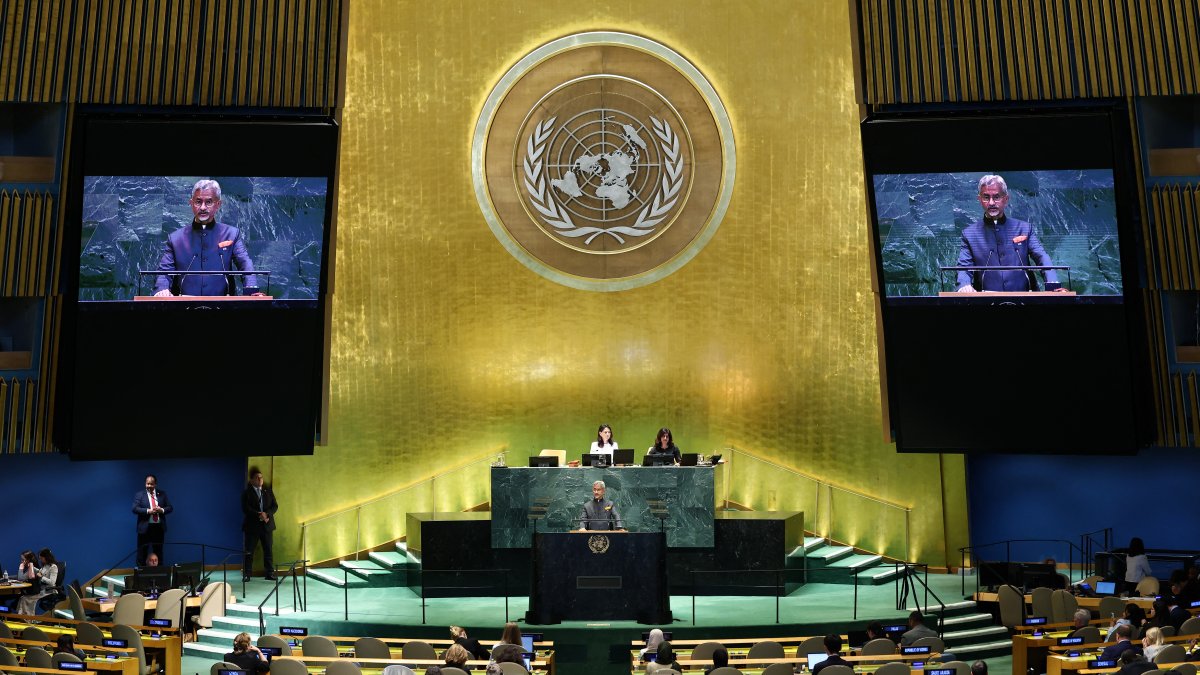
Asamblea General de las Naciones Unidas
International leaders gathered last week in Davos, Switzerland, for an annual forum intended to focus on economic development. Yet several wars are raging throughout the world right now, including in Europe itself. Earlier this month, the United States carried out a military operation to depose of Venezuelan dictator Nicolas Máduro. This was coupled with American musings over a similar action in Cuba and debate over the status of Greenland.
All this meant that the forum was never expected to live up to its original purpose. Rather, geopolitics was the chief II topic of discussion.
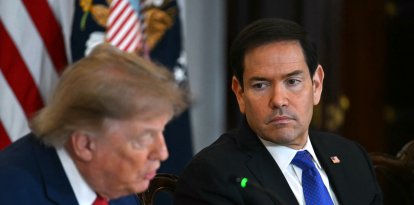
At Davos, U.S. President Donald Trump officially launched a new multilateral body: the Board of Peace. This institution was first mentioned a few months back as a body tasked with overseeing the framework to end the war in Gaza. However, it has since morphed into a much more comprehensive idea with a robust mission. The Board of Peace is now envisioned by the president to serve as a forum intended to promote global stability and conflict resolution through mediation.
If this sounds familiar, you’re not mistaken. Trump is launching an institution with the same core mission as the one established in the wake of the Second World War: the United Nations.
Many have cried foul and pointed out that the proposal is, in fact, an attempt to undermine and even outright replace the New York-based multilateral mechanism established nearly a century ago. They’re not wrong; this is exactly what’s happening. The rhetoric heard from Trump himself, including in his most recent speech at the U.N. General Assembly annual meeting in September, gave plenty of warning.
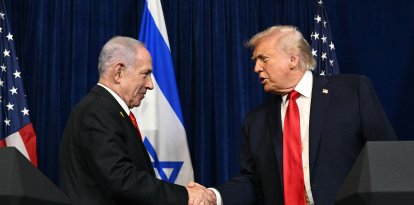
Sharp criticism of the United Nations has also been echoed by the president’s geopolitical allies, such as Israeli Prime Minister Benjamin Netanyahu and Argentinian President Javier Milei.
What should not be overlooked is the fact that several dozen countries that have already committed to joining this new institution are among those that haven’t been as vocally critical of the U.N.’s incompetence, such as Bulgaria and Indonesia. Even more so, several of this new entity’s members have historically benefited from the world body’s lackadaisical stance, even enjoying a “free pass” on their own frequent human-rights abuses. Saudi Arabia and Egypt are prime examples.
The evidence for the incompetence of the United Nations is ever-mounting. So much has already been written about the farcical “Human Rights Council,” where Iran held a seat through the end of 2025 and still serves in an advisory position. Last week, in the wake of the Islamic Republic’s brutal massacre of its own citizens over the course of three weeks (according to some estimates, topping 40,000 deaths), the council finally issued a statement. In response to these atrocities, U.N. High Commissioner for Human Rights Volker Türk called on the Iranian authorities to “reconsider” their actions. How pathetic.
Then there’s the U.N. Security Council, meant to serve as the “adult in the room,” tackling the most pressing threats to global stability and security. This month, the council is being led by Somalia—a failed state in the midst of civil war known for anything but stability or security. In 2015, the Security Council supported efforts to provide the Iranian regime with a lifeline—the 10-year nuclear deal that propped it up and even enabled it to continue funding its regional proxies, including Hamas, Hezbollah and the Houthis. The Iranian regime’s near collapse just three months after the expiration of this deal proves just how much it had benefited from it.
We need not embellish on other U.N. bodies, such as the General Assembly, which in 2025 issued 15 condemnations of Israel and 11 of all other countries of the world combined (a relatively good year for Israel). The U.N. Relief and Agency Works for Palestine Refugees (UNRWA), which indoctrinated generations of Palestinians to dedicate their lives to the destruction of Israel instead of improving their own, is also all but defunct. UNRWA’s actions on and since the Hamas-led terrorist attacks in southern Israel on Oct. 7, 2023, have provided concrete arguments for those calling to label this U.N. agency a terror group.
Much of the world is seeing just what a farce the United Nations has become. Countries that have long stayed silent about this—out of politeness or due to their own gains from the institution’s incompetence—are now coming around. While a lack of world order is something that can be advantageous to certain players on the global stage, everyone suffers from it eventually. These countries are now voting with their feet, choosing to walk other paths.
What should concern the United Nations at this point is not the vocal criticism it receives from the likes of Jerusalem, Washington or Buenos Aires. This harsh criticism—the call for change—represented a hope that its redemption was possible. Rather, it should fear those who have not been outspoken on the historical institution’s failings and chose instead to simply “quiet quit.”
With alternatives already being pursued, the United Nations faces a severe risk of even more budget cuts, hollowing out, and eventually, dissolution. Frankly, I await that day.
LATEST