






Israel to reopen Rafah Crossing to pedestrians
The IDF is searching for the body of Israel Police Master Sgt. Ran Gvili in Gaza City cemetery.
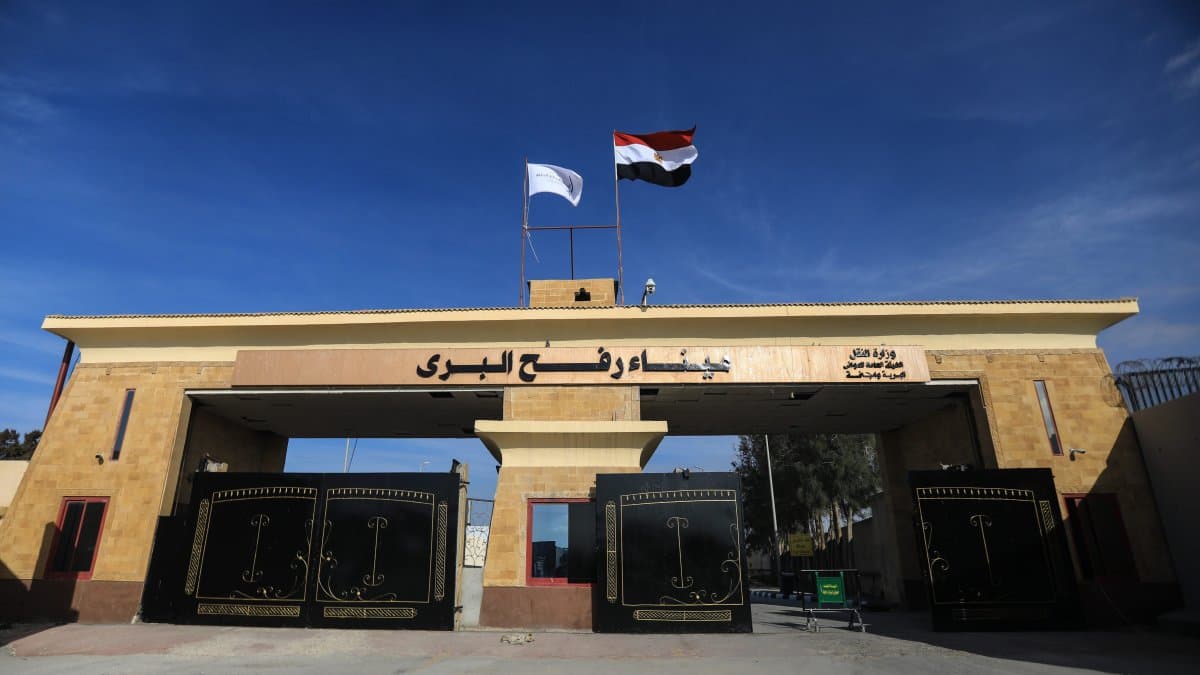

Israel has agreed to reopen Gaza’s Rafah Crossing with Egypt for the passage of people after the IDF concludes “Operation Brave Heart,” which seeks to return the remains of Israel Police Master Sgt. Ran Gvili, the last remaining hostage held in the Strip.
The Israel Defense Forces “is currently conducting a focused operation to exhaust all of the intelligence that has been gathered in the effort to locate and return the fallen hostage, Master Sgt. Ran Gvili of blessed memory,” the Prime Minister’s Office announced in a statement late Sunday night.
“Upon completion of this operation, and in accordance with what has been agreed upon with the U.S., Israel will open the Rafah Crossing,” Prime Minister Benjamin Netanyahu’s statement continued.
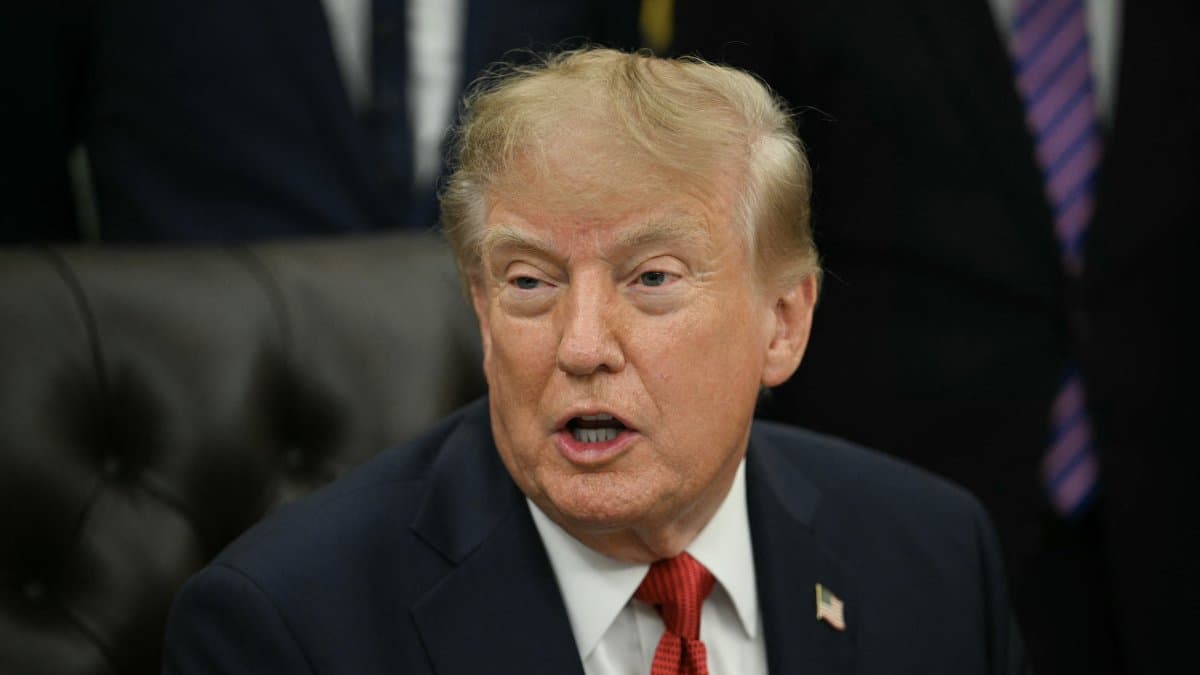
The premier noted that Jerusalem agreed to reopen Rafah for pedestrian passage only and “subject to a full Israeli inspection mechanism,” as part of U.S. President Donald Trump’s 20-point peace plan for the Gaza Strip.
“The reopening of the crossing was conditioned upon the return of all living hostages and a 100% effort by Hamas to locate and return all deceased hostages,” the PMO stated, vowing that the Jewish state remained committed to giving Gvili “a proper Jewish burial.”
The IDF has been conducting a large-scale operation since late last week to locate the body of Gvili, a 24-year-old Israel Police Special Patrol Unit (Yasam) volunteer who died fighting Hamas terrorists at Kibbutz Alumim on Oct. 7, 2023, the PMO said earlier on Sunday.
The operation is focused on a cemetery on the outskirts of Gaza City’s Shejaiya neighborhood and includes extensive scanning while utilizing all available intelligence.
The Israel Police stated on Sunday that it “await Rani’s return home.”
Disarmament
Under the U.S.-brokered ceasefire and hostage-release agreement that went into effect last year, the terrorist group committed to returning for burial all 28 bodies it was holding captive, on Oct. 13. However, Hamas slow-walked their return, delaying its disarmament, set to take place in the second phase with a deployment of international forces to Gaza.
Hamas leader Khaled Mashaal has publicly rejected Trump’s demand that the group disarm, declaring on Dec. 7 that “protecting the resistance project and its weapons is the right of our people to defend themselves.”
“The resistance and its weapons are the ummah’s [Islamic nation] honor and pride,” the terrorist told an anti-Israel summit in Istanbul, adding, “A thousand statements are not worth a single projectile of iron.”
Last week, senior officials within Trump’s newly formed Board of Peace treated the opening of the Rafah Crossing as a matter already settled.
Ali Shaath, appointed chief commissioner of the National Committee for the Administration of Gaza (NCAG), a body operating under the Board of Peace, stated on Jan. 22 that he was “pleased to have helped facilitate the opening of Rafah and the search for the last hostage’s body.”
Shaath said that the opening would enable the entry of NCAG officials so they can begin the reconstruction of the Strip after two years of war.
Former U.N. envoy Nikolay Mladenov, the high representative for Gaza, serving as the on-the-ground link between the Board of Peace and the NCAG, also expressed his gratitude for the reopening of the Rafah Crossing.
According to Israel Hayom, preparations to guarantee Israeli control over those who move between Gaza and Egypt have been finalized.
Security measures were said to include remote monitoring via cameras and other means tracking those entering and exiting, whose names and identification documents will be submitted to Israel for approval.
In addition, Israel will maintain its presence around the perimeter of the crossing, which it has controlled since May 7, 2024, and all entrants and departures will pass through an IDF checkpoint, Israel Hayom reported.
© JNS
🛠 Do you think there is an error in this article?
Recommendations



LATEST