Weight-loss and diabetes drugs such as Ozempic may curb drug and alcohol addiction
According to a study published in the Journal of the Endocrine Society (JES) and reported by Science Daily, early trials show reductions in alcohol intake, opioid seeking, and nicotine use.
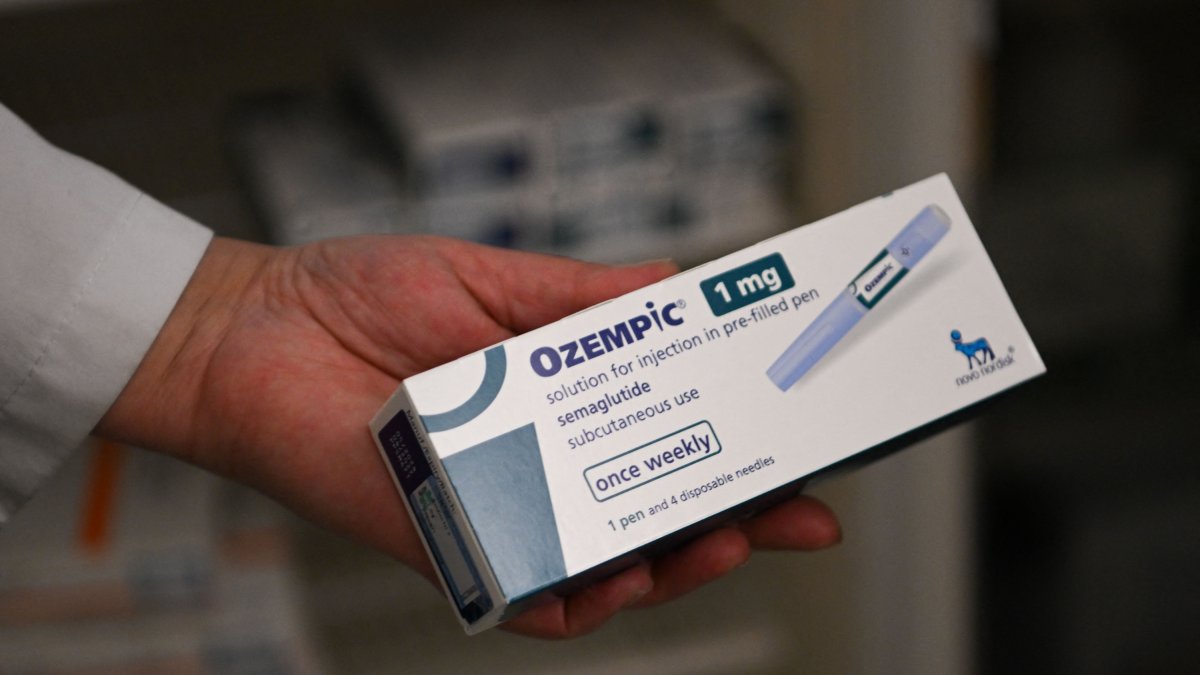
Ozempic box - File Image.

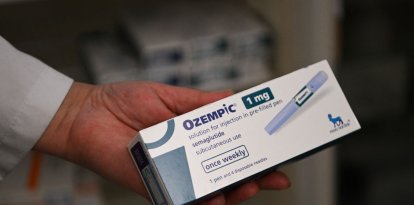
A study by the Endocrine Society notes that GLP-1, present in drugs such as Ozempic, which was originally developed to treat diabetes and obesity, could also reduce addictive behaviors by influencing brain reward circuitry.
The report indicates that substance use disorders are identified through four key patterns: physical dependence, risk-taking behaviors, social difficulties and loss of control.
According to the report published in the Journal of the Endocrine Society (JES) and shared by the journal Science Daily, early trials show reductions in alcohol intake, opioid seeking and nicotine consumption.
"These drugs, called Glucagon-Like Peptide-1 Receptor Agonists (GLP-1RAs), could represent a hopeful new direction for addressing alcohol and other substance use disorders," Science Daily reports.
Promising results
The study authors believe that, although more testing is needed, these drugs could open a powerful new front in addiction therapy.

"Early research in both animals and humans suggests that these treatments may help reduce alcohol and other substance use," said lead researcher, Lorenzo Leggio M.D./Ph.D., of the National Institute on Drug Abuse (NIDA) and of the National Institute on Alcohol Abuse and Alcoholism (NIAAA), both part of the National Institutes of Health (NIH) at Bethesda, Maryland. "Some small clinical trials have also shown encouraging results," he added in statements reported by Science Daily.
GLP-1 and its possible role in addiction
According to the study, some forms of obesity share biological and neurological traits with addiction, although this idea is still under debate.
"Pathways implicated in addiction also contribute to pathological overeating and obesity," the report states.
Recognizing this overlap, scientists began to explore GLP-1 drugs as a possible treatment for substance use disorders.
Early evidence
- Alcohol use disorders (AUDs): GLP-1 receptor agonists show variable effects on alcohol consumption. A trial with exenatide, a drug used in the treatment of Type 2 diabetes mellitus to lower blood glucose levels and which is a GLP-1 incretin mimetic drug, showed no significant changes overall, although reductions in people with alcohol use disorder (AUD) and obesity.
- In contrast, a more recent study with semaglutide, a peptide analogue of (GLP-1-like peptide), at low doses showed a decrease in alcohol self-administration, number of daily drinks, and craving in persons with alcohol use disorder.
- Opioid use disorder: In rodent models, several GLP-1 receptor agonists have been shown to reduce self-administration of heroin, fentanyl and oxycodone. Studies have also revealed that these drugs reduce drug-seeking relapse, a rodent model of drug relapse.
- Tobacco use disorder: Preclinical data show that GLP-1 receptor agonists reduce nicotine self-administration, reinstatement of nicotine seeking and other nicotine-related outcomes in rodents. Initial clinical trials suggest that these drugs may reduce the number of daily cigarettes and prevent the weight gain that often follows quitting smoking.
Addiction treatments are limited
Science Daily points out that alcohol is considered the most harmful drug, since in addition to being detrimental to health, its consumption also contributes to traffic accidents and violent incidents.

According to Science Daily, despite the magnitude of the problem, less than one in four people received treatment for alcohol and other substance use disorders in 2023.
The research authors point to multiple barriers, including stigma and limited resources for patients and health care providers. "Current treatments for [alcohol and other substance use disorders] fall short of addressing public health needs," the report states.
The road ahead
Leggio and colleagues stress that further research is needed to confirm the efficacy of GLP-1 drugs in the treatment of addiction and to understand the underlying biological mechanisms.

Health
Kennedy Jr.'s race against obesity: 'Get yourself in shape, let’s make America Healthy Again'
Santiago Ospital
Despite the unanswered questions, the researchers remain optimistic. "This research is very important because alcohol and drug addiction are major causes of illness and death, yet there are still only a few effective treatment options," Leggio said. "Finding new and better treatments is critically important to help people live healthier lives."
LATEST