Trump delays higher tariffs on imported furniture for a year
Specifically, the administration had planned to raise import duties by up to 30% for certain upholstered furniture and up to 50% for kitchen cabinets and dressers.
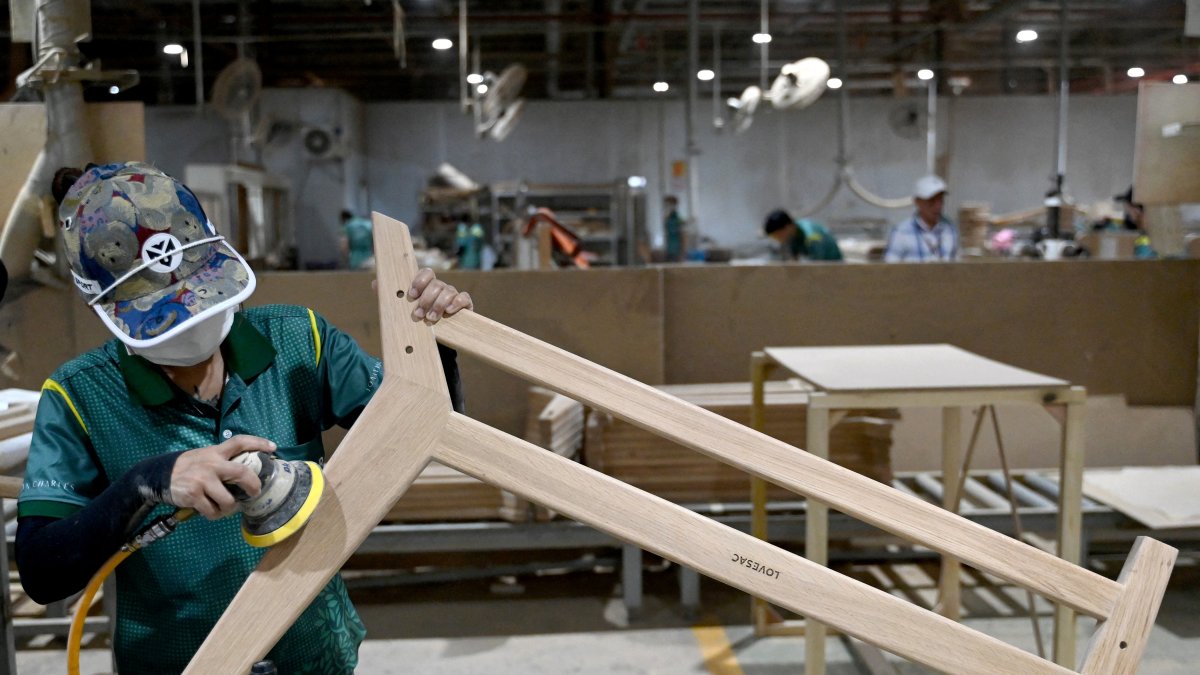
A furniture factory in Vietnam (File image)

President Donald Trump decided to postpone higher tariffs on certain imported furniture for a year, a move that was ordered shortly before the new tariffs began to take effect Thursday.
The postponement affects planned increases under the sectoral tariff package pushed by Trump since his return to the White House. Specifically, the administration had planned to raise import duties by up to 30% for certain upholstered furniture and up to 50% for kitchen cabinets and dressers. With the new decision, these rates will not take effect until Jan. 1, 2027.
As the White House explained in a statement issued Wednesday night, the decision is in response to the progress of ongoing diplomatic talks. "Given the ongoing productive negotiations regarding the imports of wood products, the President is delaying the tariff increase to allow for further negotiations to occur with other countries," the official text said.

Politics
Trump has already issued more executive orders in his second term than he did in his first
Carlos Dominguez
Economic impact and trade context
The delay comes against a backdrop of concern over the rising cost of living for American households, a factor that has generated pressure on the government's trade policy. Higher tariffs would have directly affected imports from Vietnam and China, two major suppliers of furniture to the American market.
Since 2025, the Trump administration has imposed tariffs on a wide range of products, ranging from steel to cars, and is keeping open new trade investigations that could lead to more import duties.
In October, a 10% tariff on imported softwood lumber and a 25% tariff on certain upholstered furniture and kitchen cabinets had already gone into effect, measures the government justified as necessary to strengthen domestic industry and protect national security.
Pending judicial review
Meanwhile, the postponement offers a temporary respite to importers and consumers, while keeping open uncertainty about the final direction of U.S. trade policy in the coming months.
LATEST