Trump says he plans to impose a 100% tariff on imported chips, but would exempt manufacturers that produce in the U.S.
With the move, the president seeks to use the "stick" tactic and pressure tech giants to move production to the country.

A reference image of a semiconductor manufactured in China

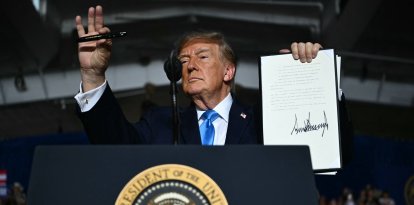
Accompanied by the CEO of Apple, Tim Cook, President Donald Trump announced on Wednesday that Apple plans to impose a 100% tariff on all chips and semiconductors entering the United States to pressure large technology companies to manufacture these components in national territory, where they would have a significant tax exemption.
"We'll be putting a tariff of approximately 100% on chips and semiconductors," Trump said. "But if you’re building in the United States of America, there’s no charge."
The announcement of the president's plan coincided with the new investment disclosed by Cook, who announced that Apple will increase by $100 billion its commitment to manufacturing investment within the country, a clear goal that the Trump Administration set out to achieve through its implementation of aggressive tariff policies.

A 180-degree turn from the Biden Administration
The proposed 100% tariffs on computer chips and semiconductors represent a complete turnaround from the approach taken by the Biden Administration. In 2022, the then-Democratic president enacted the famed CHIPS Act, which earmarked more than $50 billion in subsidies, tax credits, and other incentives to attract investment and relocate the semiconductors.
This was considered a stimulus-based strategy, a "carrot" for large companies; however, President Trump changed the approach, using the "stick" to push aggressively. His administration directly argues that the new tariff, high and practically unaffordable, would force tech companies to negotiate to establish their production in the country.
Potential effects of the tariff
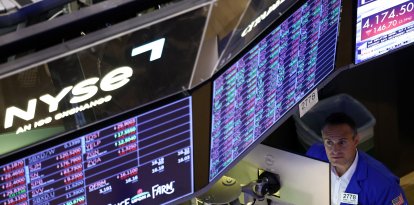
While awaiting market reaction, it is notable that semiconductor chips are essential to the production of automobiles, computers, phones, appliances, and even artificial intelligence servers. Therefore, the application of a 100% tariff could automatically generate an abrupt price hike in electronic products and mass consumer goods.
It could also affect the immediate production of semiconductors, generating a direct effect on global inflation, as happened during the pandemic, when chip shortages affected prices.
For the moment, companies such as Nvidia and Intel have not responded to press inquiries regarding Trump's proposal.
LATEST