ANALYSIS
Celia Cruz: 100 years of "Azúcar," rebellion and freedom
The Cuban singer not only became the queen of salsa, but also a symbol of identity, resistance and hope. Her music -a mixture of overflowing joy and indomitable strength- became a homeland when the homeland itself was denied to her.
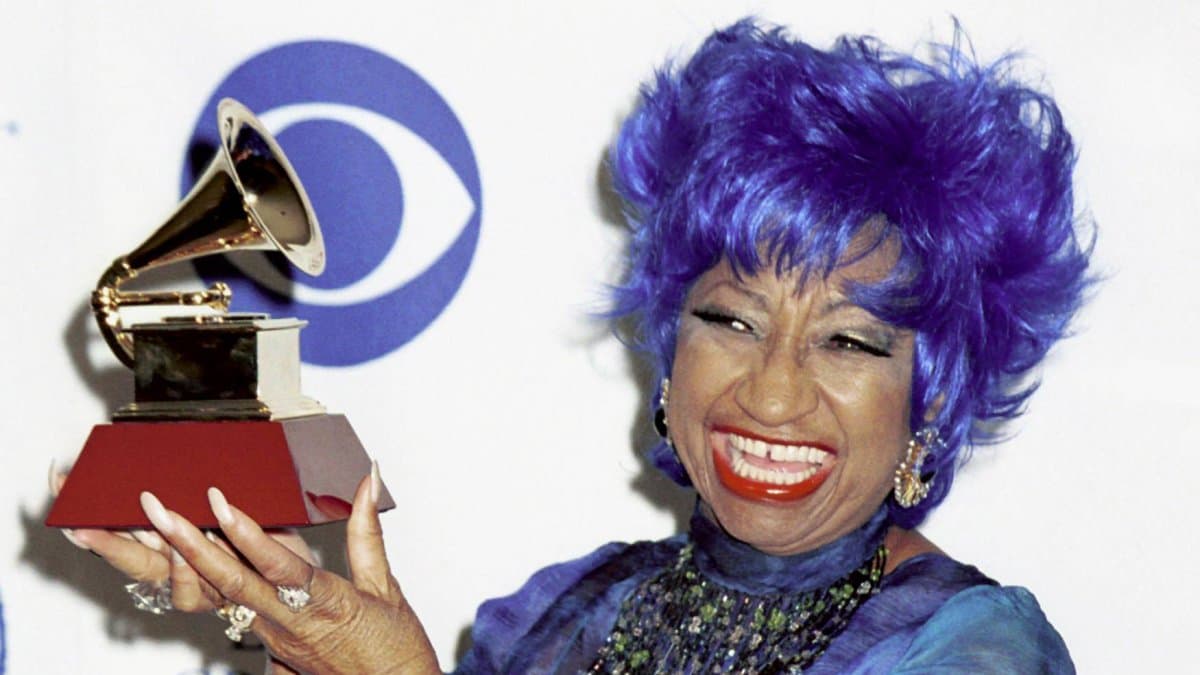

One hundred years ago, in Havana’s Santos Suárez neighborhood, Celia Caridad Cruz y Alfonso was born — the daughter of a stoker and a housewife. From childhood, her voice seemed to foreshadow the greatness to come. Amid the bustle of a large family, she already stood out for her clarity, her strength, and that spark that would one day make her singing a beacon for generations.
Celia Cruz— as she would go down in the annals of history — became not only the queen of salsa, but also a symbol of identity, resistance, and hope. Her music — a blend of boundless joy and indomitable strength — became a homeland when her own was denied to her.
From exile, every song became an act of rebellion, every cry of “¡Azúcar!” a defiance of imposed silence — and a celebration of freedom.
From Havana to the world
Her path began before the microphones of the radio program Mil Diez, and she soon shone in shows such as La Corte Suprema del Arte and La Hora del Té. She won contests, collected prizes, and stood out for her naturalness, discipline, and talent. In 1948, she joined Las Mulatas de Fuego, touring Mexico and Venezuela, and in 1950 she became part of La Sonora Matancera, the most important orchestra in Cuba at the time.
With them, she toured across Latin America, earning the title La Guarachera de Cuba, and popularized songs that have since become timeless classics: “Caramelos,” “El yerbero moderno,” “Burundanga,” and “Cao cao, maní picao.” Her first gold record came in New York in 1957, marking the beginning of a career that would transcend oceans and borders.
Exile and resistance: Celia's great sorrow
The 1960s brought a defining choice: not to return to Cuba — a decision that marked the beginning of her forced exile. Her music was censored and banned on the island, yet her voice never faded. Every performance, every song, became a reminder that joy can be an act of resistance, and that love for one’s homeland can be sung from anywhere in the world.
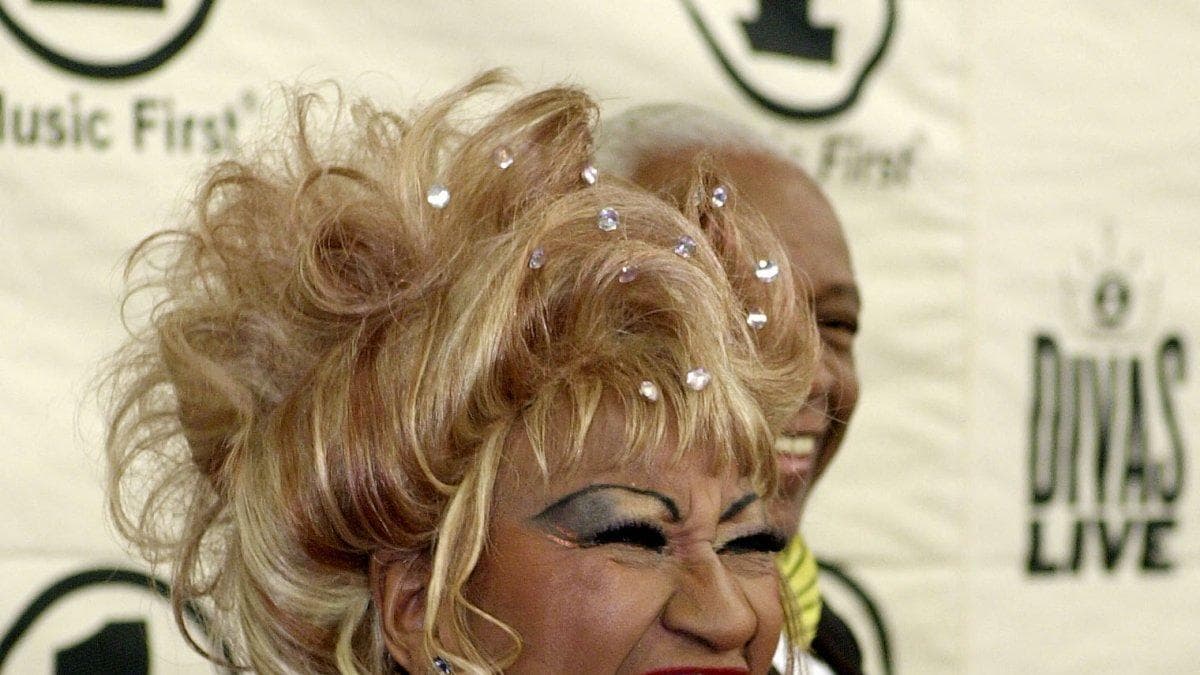
But the reality is that Celia Cruz could not return to her beloved island -through the big door- not even to bury and say her last goodbye to her mother. Nor did she ever set foot on her stages, although she never stopped singing for her.
She married Pedro Knight, the trumpeter from La Sonora Matancera who became her inseparable companion and manager, and collaborated with great legends such as Tito Puente and Willie Colón — among many others — recording eight albums that cemented her influence in Latin music.
Triumphs and glory for 'la Guarachera de Cuba'
She recorded hits such as “La vida es un carnaval” and “La negra tiene tumbao,” blending salsa with urban rhythms while preserving the essence that made her unique. She performed alongside Luciano Pavarotti, Gloria Gaynor, and other legendary voices, earning four Grammy Awards, five Latin Grammys, and the prestigious National Endowment for the Arts.
The eternal legacy
When she returned to Cuba in 1990 —to the Guantánamo Naval Base-, — she took a handful of earth, asking that it be placed in her coffin, a symbolic gesture that spoke of love and memory. Her last public appearance, in 2003, singing “I Will Live,” made it clear that her voice would transcend death.
She passed away a few months later, leaving a legacy that lives on in every chord, every hip movement, and every “¡Azúcar!” that echoes around the world.
Today, one hundred years later, Celia Cruz remains the voice that celebrates life, joy, and freedom. Her story reminds us that music can be an act of resistance, that identity is sung, and that even far from home, hope can endure.
Miami celebrates Celia with tributes, music and the exhibition of her iconic shoes
Commemoration Mass at the Ermita de la Caridad.
The central event will take place this Tuesday, October 21, the date Celia Cruz was born in 1925. The Fundación Celia Cruz has organized a commemorative Mass at the Ermita de la Caridad, a national sanctuary dedicated to the Virgin of La Caridad del Cobre, patron saint of Cuba and a landmark for the Cuban community in exile. Under the slogan “United for Celia,” the ceremony will honor the musical and human legacy of the singer, who maintained a close bond with the Cuban community in South Florida after her exile.
Birthday party and exhibition 'Dancing Shoes'
The Miami Shoe Museum will also mark Cruz’s birthday with music, cake, and a large community greeting card created by visitors. Throughout October, the museum will host the Dancing Shoes - A Legacy in Motion exhibit, celebrating one of the artist’s most iconic traits: her relationship with costumes and, especially, her shoes.
The exhibit features original shoes worn by Celia Cruz, designed by Mexican designer Miguel Nieto between the 1960s and 1970s. The striking footwear, seen on stage, became an extension of her personality and artistry.
Symphonic concert: 'Celia Sinfónica'
The tribute series will culminate on November 22 with the Celia Sinfónica concert at the Ziff Ballet Opera House. The Florida International University (FIU) Symphony Orchestra will reinterpret Cruz’s most emblematic songs. Organizers describe the event as “a musical and visual journey” celebrating her life and legacy through symphonic arrangements and scenic projections.
Through this series of events, Miami reaffirms Celia Cruz’s enduring status as both a cultural symbol of the city and a global icon of Latin music.
🛠 Do you think there is an error in this article?
Recommendations


LATEST