Supreme Court halts Trump's order to restrict medical treatment for transgender inmates
The high court rejected an emergency request from the Department of Justice seeking to reinstate restrictions on surgical procedures, hormone therapy and social accommodations in the federal prison system.
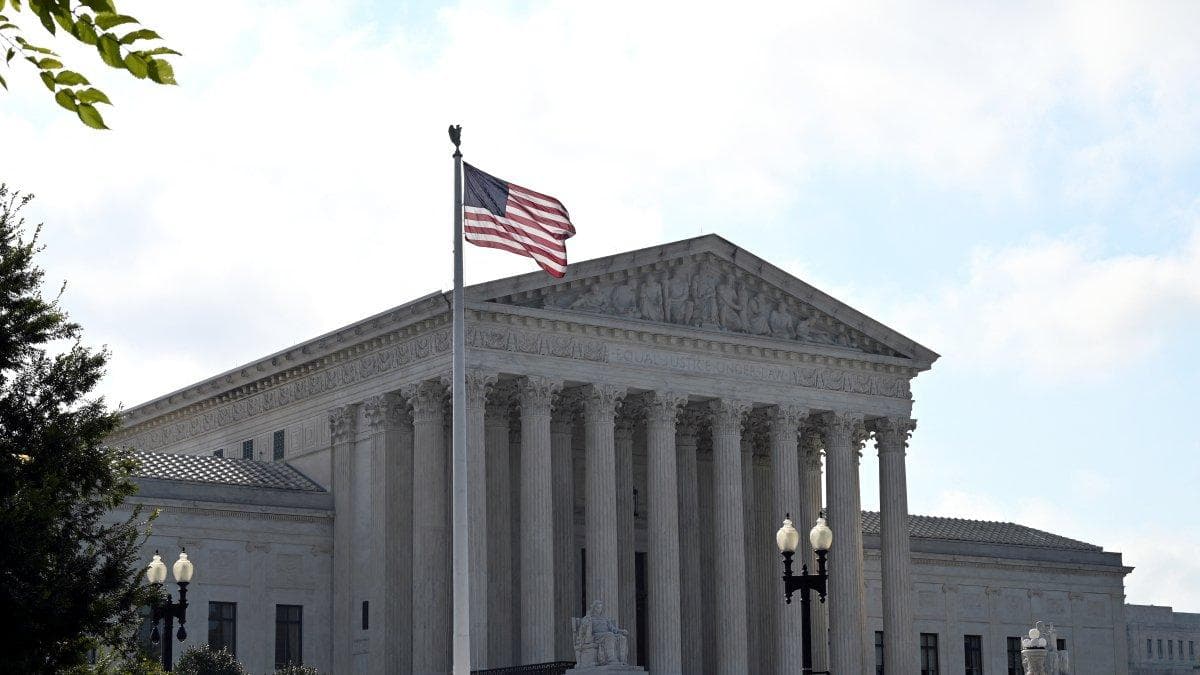

The U.S. Supreme Court on Wednesday rejected an emergency appeal filed by President Donald Trump's administration to implement a new regulation from the Federal Bureau of Prisons (BOP).
The government's measure sought to end medical interventions, hormone treatments and social accommodations for inmates diagnosed with gender dysphoria within the prison system.
In a brief, unsigned order, the high court left intact a lower court's ruling that keeps the executive directive on hold. Conservative Justices Samuel Alito and Clarence Thomas were the only members of the court to publicly express their support for allowing the government to implement the regulatory change.
The origin of the dispute and the White House directive
The legal controversy was triggered by an executive order issued by President Trump that prohibited the use of federal funds for medical procedures or treatments intended for transgender inmates in federal custody.
In response to the presidential order, the Bureau of Prisons announced in February that it would not provide surgery or hormone replacement therapy and would implement a phased-out plan for inmates already receiving such medication.
The regulation also prohibited the provision of gender-affirming items within correctional facilities. In an explanatory memorandum, the government agency justified the decision by arguing the need to adapt the regulations to complex considerations of internal security and correctional administration, aligning the focus with the system's operational priorities.
The Department of Justice's arguments and the court's intervening ruling
In the appeal filed with the Supreme Court, Attorney General D. John Sauer argued that the measure is key to ensuring institutional security and defending the Executive Branch's authority to set public policy at the federal level. Sauer argued that the agency properly assessed that such interventions are not technically indispensable for prison management.
However, lower courts previously blocked the directive. District Judge Royce Lamberth had previously ruled that the administration violated federal procedure by abruptly modifying health guidelines that had been in effect since 1992.
Subsequently, a panel of the D.C. Circuit Court of Appeals upheld the injunction, noting that the Bureau of Prisons failed to adequately assess its own historical experience or sufficiently justify the urgency of the change.
With this Supreme Court decision, the suspension of the government's measure will remain in effect while the merits of the case continue to be litigated in federal courts.


Just the News
These five states are putting transgender sports, gender-medicine questions before voters next month
Just The News
🛠 Do you think there is an error in this article?
Recommendations





LATEST