Red carpet at Joint Base Andrews, B-1 bombers, trade truce with expiration date: Trump projects power before Xi in Washington
The ceremony presented an image of cordiality between Washington and Beijing, but it came just hours after both governments agreed to extend the trade truce — which had kept a new tariff escalation at bay — for only two months.
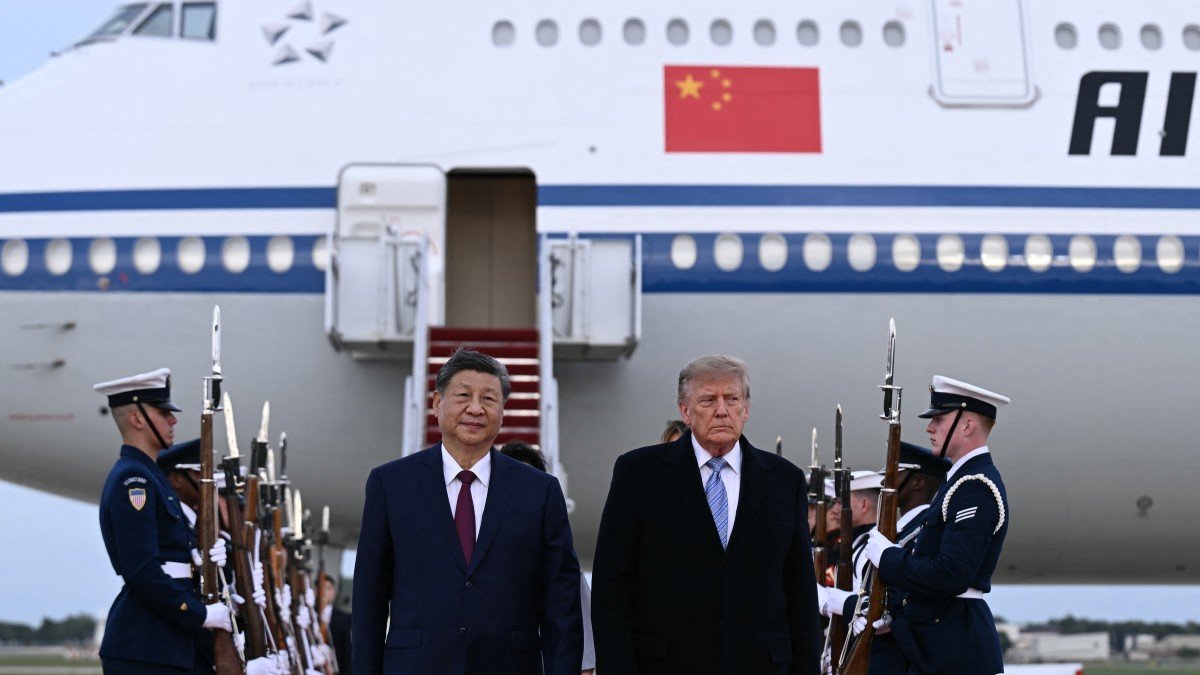
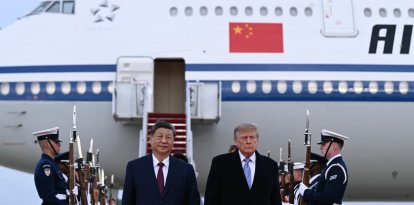
Donald Trump and Xi Jinping at Joint Base Andrews

Unlike with other official visits, Donald Trump decided not to wait for Xi Jinping at the White House.
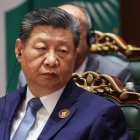
The U.S. president traveled on Wednesday to the Joint Base Andrews to personally welcome the Chinese leader with honors at the start of a three-day state visit that will be marked by trade negotiations, technological competition, Taiwan and the deep geopolitical differences between the world's two leading economic powers.
Washington prepared an unusual reception for Xi, according to various media reports. A red carpet about 30 meters long was rolled out in front of the Chinese presidential plane, accompanied by a 21-member honor guard representing the different branches of the military and the national anthems of both countries. Two B-1 strategic bombers also flew over the tarmac as the U.S. national anthem played, an event that caught Trump by surprise, who briefly joked about the incident with Xi.
Trump, accompanied by First Lady Melania Trump, shook hands with Xi and his wife, Peng Liyuan. At one point during the reception, the U.S. president even patted the Chinese leader on the back before speaking briefly with him.
"I think they appreciate it, tremendous people," Trump said later from the White House.
The ceremony presented a picture of cordiality between Washington and Beijing, but it came just hours after both governments agreed to extend the trade truce — which had kept a new tariff escalation at bay — for only two months.
Treasury Secretary Scott Bessent confirmed that the agreement, initially set to expire on Nov. 10, will now remain in effect until Jan. 10. During that period, the United States and China will maintain the reduction of certain tariffs and avoid new restrictions while continuing to negotiate a broader agreement.
“I don’t know whether a bigger deal can be done. I don’t know whether we will just roll the current deal," Bessent acknowledged in an interview with Fox News.
The extension, however, is shorter than what Beijing was seeking. Washington wants to use these additional weeks to verify compliance with outstanding Chinese commitments, particularly purchases of U.S. agricultural products and access to critical minerals — two issues that remain part of the bilateral negotiations.
The real negotiations begin later Thursday
The stop at Andrews Air Force Base is just the beginning of the Chinese delegation's visit. Trump and Xi will hold their formal talks on Thursday at the White House, where there will also be a welcome ceremony followed by a gala dinner. According to the agenda, bilateral trade and the development of artificial intelligence will be among the central issues, along with Taiwan and the conflict with Iran, where Washington is seeking for Beijing to use its economic influence over Tehran to end the conflict.
The relationship between the two leaders embodies precisely these two elements. Trump has publicly praised Xi and claims to have a good personal relationship with him, while his administration maintains trade and technology restrictions aimed at protecting U.S. industries and limiting Chinese access to sensitive technologies.
Not everyone in Washington welcomed the visit, as Trump's decision to personally visit the base is highly unusual. The last time a U.S. president welcomed a foreign political leader there was in 1962, when John F. Kennedy was there to welcome then-British Prime Minister Harold Macmillan.
Republican Senator Roger Wicker, chairman of the Senate Armed Services Committee, questioned the "lavish welcome" and argued that existing differences with Xi and the Chinese Communist Party did not justify such treatment.
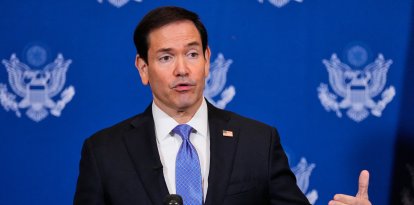
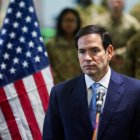
Secretary of State Marco Rubio, on the other hand, defended the need for direct dialogue. The United States and China, he noted, are "the two largest economies in the world" and "probably the two most powerful militaries in the world."
Xi thus arrived in Washington with a red carpet and military honors, but also with the clock ticking on the economic negotiations. The truce expires again on Jan. 10. Before then, Trump wants to know if Beijing is willing to turn the Washington ceremony into concrete agreements.
LATEST