Pope Leo defends life during visit to Uruguay: ‘Those who have not yet been born already belong to the human family and to the future of their people’
The Pope also addressed other sensitive issues, such as euthanasia and suicide, in the region's most secular country.
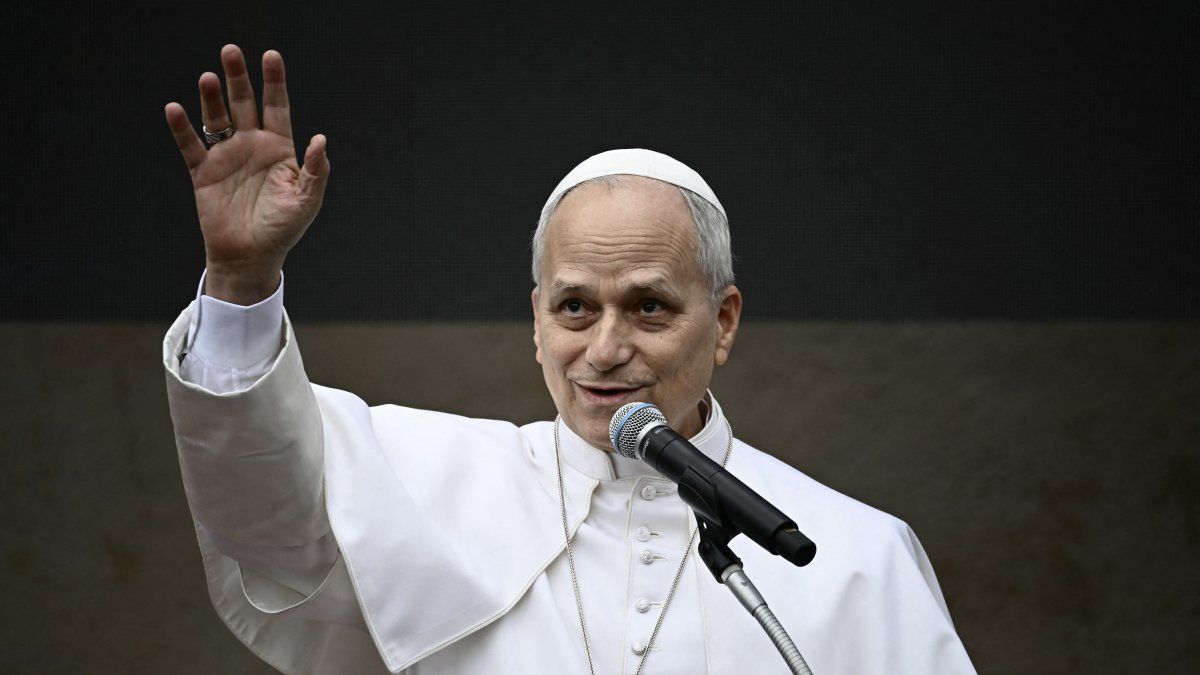
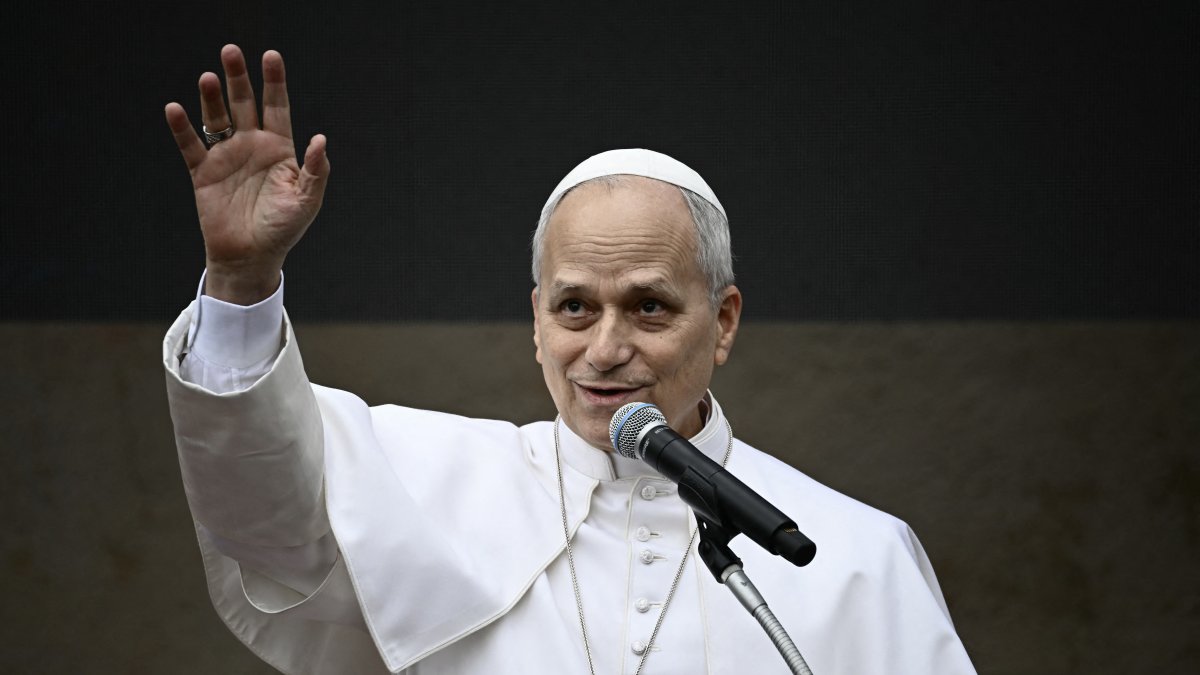
A file photo of Pope Leo XIV
During the first day of his visit to Uruguay, Pope Leo XIV delivered a courageous defense of life in the presence of progressive President Yamandú Orsi, whose government has openly promoted the liberalization of abortion and made Uruguay the first South American nation to legalize euthanasia in April 2026.
Leo who said he was "pretty fit" following surgery for a lung tumor, addressed sensitive issues such as abortion, suicide and euthanasia. Indeed, Uruguay is the most secular country in the region, according to available data.
"Those who have not yet been born already belong to the human family and to the future of their people," said the pope, who was greeted by some 30,000 people in the capital, Montevideo.
He then spoke about the illness he faced, using the opportunity to advocate for universal health care.
"Illness, disability, physical pain, loss of autonomy, poverty, unemployment or social exclusion can make the help of others especially necessary," he said.
"I have recently experienced firsthand the limitations imposed by illness and have received care for which I am deeply grateful," he added. "This experience leads me to think of so many men and women who lack the means to obtain a timely diagnosis or receive the treatments they need."
"Ensuring that healthcare is accessible to everyone, regardless of their financial means, is a responsibility that challenges every society," he said, drawing applause from the crowd, who had gathered with Uruguayan and Vatican flags and yellow and white balloons to welcome the Holy Father.
Leo also touched on the "painful" reality of suicide in Uruguay, a country with the highest rates in the region.
"Even today, we can live surrounded by people — sharing work, the streets, or even our own homes with them — and remain unaware of the burden they carry," he stated. "Loneliness, anguish and the loss of hope can become so profound that a person can no longer find reasons to continue living. In the face of the painful reality of suicide, healthcare, family ties and the closeness of the community are inseparable. No one should ever feel like a stranger among their loved ones or think that their absence matters less than their presence."
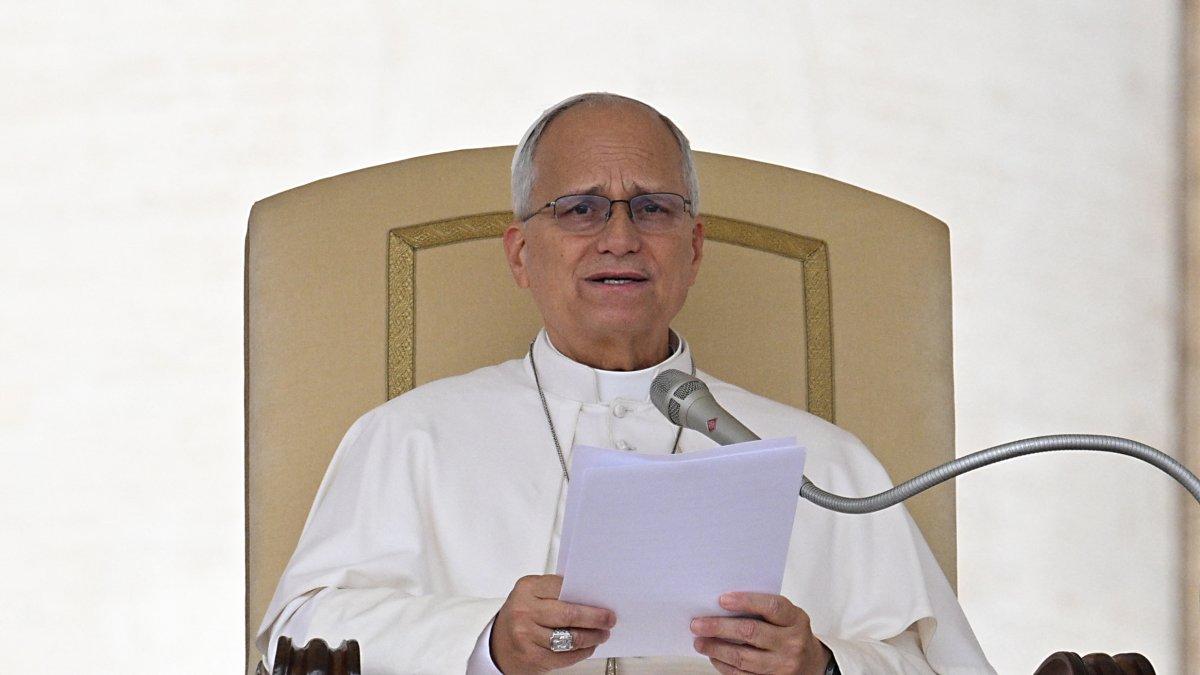
Although many faithful and onlookers attended the event, the enormous plaza surrounding the presidential palace was half empty.
Leo XIV will visit 11 cities in Uruguay, Argentina and Peru over 12 days, on one of the most intense papal tours in recent decades.
"I went to a Catholic school, I was baptized, but I think there are other priorities on the country's agenda than welcoming the pope. I'm not interested in seeing him," Natalia Reyes, a 34-year-old yoga instructor who works near the presidential office, told AFP.
Angelo Olivera was selling scarves with the pope's face on them in the plaza. "I don't care about the pope, but I believe in God because He saved me when I was in intensive care for a long time," he said.
Peru, ‘one of my many homes’
The first pope born in the United States spent nearly two decades in Peru as a missionary, where he forged a deep bond with the region and obtained Peruvian citizenship.
On Friday, he referred to Peru as "one of my many homes" and said he looks forward to seeing "old things, new things and above all, the people" there.
Cardinal Daniel Sturla, Archbishop of Montevideo, told AFP that in Uruguay there is "widespread interest in the Pope's visit" and that tickets for Masses in the two inland cities he will visit this weekend — Paysandú and Florida — sold out quickly.
The liberal nation is at odds with the Church on issues such as same-sex civil unions, abortion and euthanasia.
The pope also took the opportunity to praise Uruguay's energy mix, "which today relies almost entirely on renewable sources," at a time when the crisis caused by climate change is worsening across the planet.
"This is a remarkable achievement that has required sustained decisions over the years and the participation of various sectors of the country," he stated upon arriving in the small country of 3.5 million people, a global leader in clean energy.
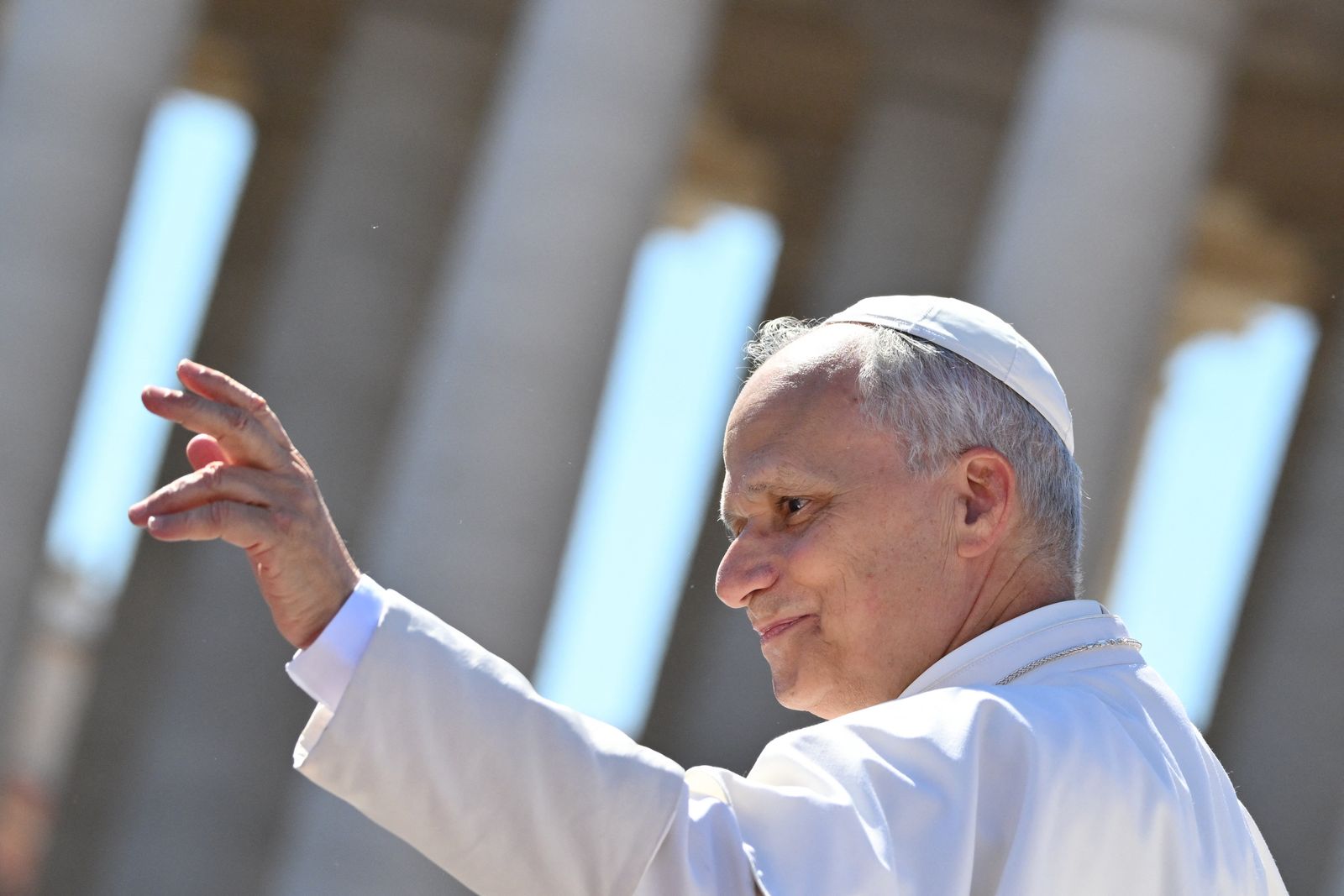
‘Symbolism and emotion’
The pope will travel on Sunday to Argentina, the homeland of his predecessor, Francis, who disappointed many Argentines by not returning for a visit during his pontificate.
“Leo’s trip is seen as a sort of double homecoming," Christopher White, a U.S.-based Vatican expert, explained to AFP.
"The first Latin American pope in history, Francis, never returned to his native country. Leo, a Peruvian citizen, now takes up that mantle and that legacy," said White, author of a book about Pope Leo.
Peru, his final stop, is in the throes of "papal fever." In Lima, vendors are selling T-shirts and rosaries bearing his image, while bakeries are selling Leo bread. Inmates at a women's prison are making dolls in his likeness.
An imposing 14-meter statue of Leo stands in the port city of Callao, which the Pope plans to visit.
The trip will take him on the same day to the ancient Incan capital of Cusco, at an altitude of 3,400 meters, and to Pucallpa, in the Amazon rainforest.
But the pope will also will resume his former life as Robert Francis Prevost when he dines with priests from his former diocese of Chiclayo, on the northern coast of Peru, or when he pays a private visit to a chapel he helped rebuild.
This article was published with information from AFP
🛠 Do you think there is an error in this article?
Recommendations




LATEST