Santiago Peña falls: Paraguayan Congress unanimously removes him from office, the prosecutor’s office files charges against him, Vice President Pedro Alliana Assumes the Presidency
In her speech, Alliana sent several direct messages to Peña. She said she would work for Paraguay "from within" — a veiled reference to Peña's frequent trips abroad — and also mentioned that she would fight corruption and strive for transparent governance that would restore the trust of the Paraguayan people.
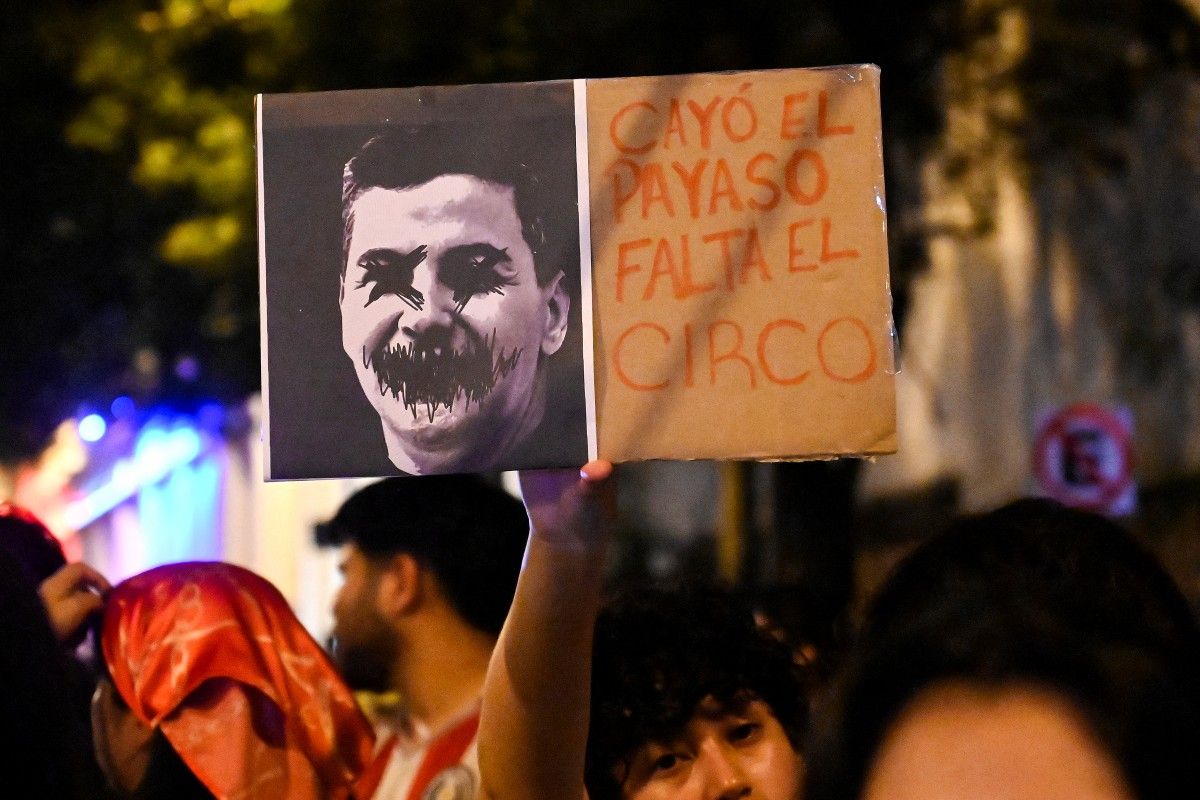
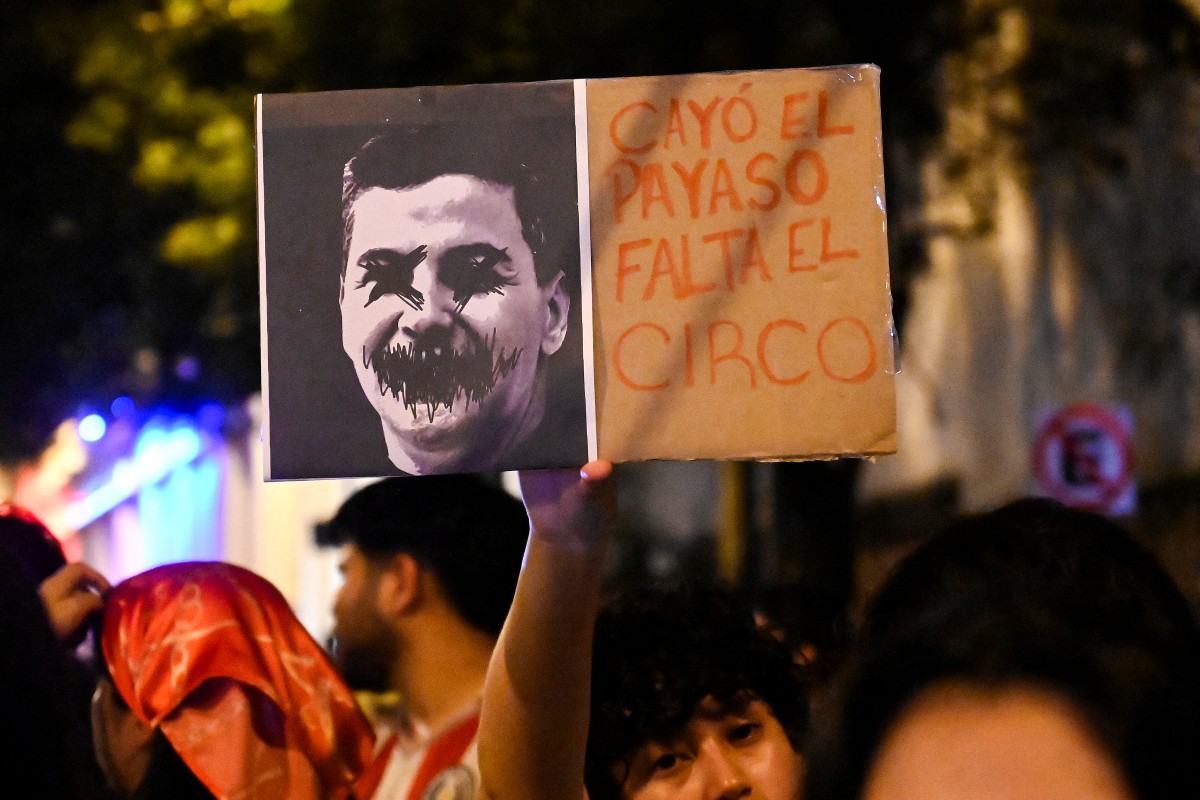
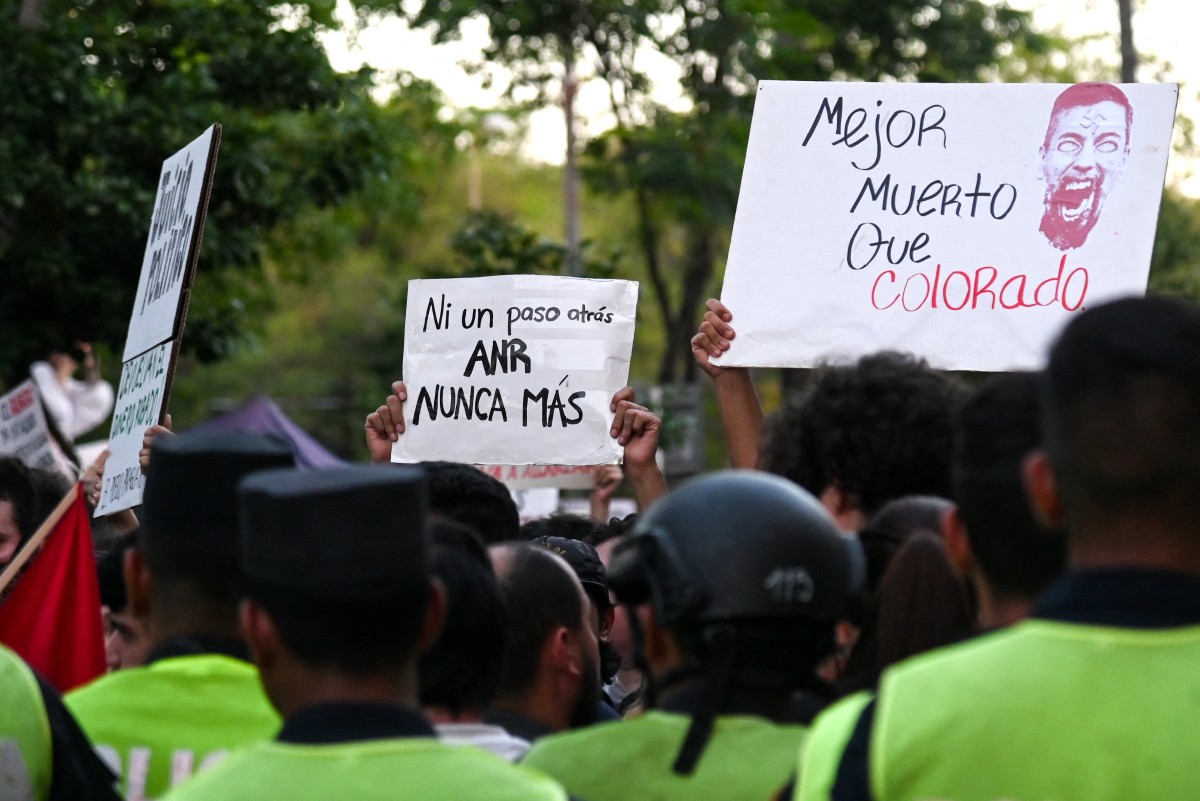
Paraguayan protesters celebrate Santiago Peña's removal from office at the Pantheon of Heroes in downtown Asunción

ASUNCIÓN – After several marathon sessions in the Paraguayan Congress, the impeachment of now-former President Santiago Peña was finally formalized, who moments after being removed from office, was charged by the Public Prosecutor's Office and is now awaiting an arrest warrant at his home which, according to authorities, will take effectSaturday. The former president is accused of three crimes related to the scandal and closure of the UENO institution, the bank in which Peña was a shareholder until 2025 and which the former president promoted during his term in office. Those charges are: breach of trust, influence peddling and mismanagement for personal gain.
While the Paraguayan National Police surrounded his home, his former ally and vice president, Pedro Alliana — one of the many close associates who had distanced himself from him in recent days — was sworn in as the new president of Paraguay amid a wave of criticism against the government and the ruling party, led by the Colorado Party, currently headed by the controversial former president Horacio Cartes. Ruling-party Senator Antonio Carlos Barrios took office as the new vice president.
In his speech, Alliana delivered several direct messages to Peña. He said he would work for Paraguay "from within" — a dig at Peña's constant trips abroad — and also mentioned that he will fight corruption and strive for transparent governance that will restore the trust of the Paraguayan people.
"The Paraguay we are inheriting today faces urgent challenges that compel us to be on the streets, in the hospitals, and in the countryside. What I am here to propose is concrete. Our fellow citizens who are currently facing difficult times as a result of the financial collapse will be fully compensated. We will not leave them alone," said Alliana. "I order that immediate action be taken to compensate savers, giving priority to the most disadvantaged. I don't want anyone half-hearted in charge of this mission; I want results."
Alliana's inauguration ceremony was captured in an iconic moment on Paraguayan television, which split the screen so that as the Paraguayan national anthem played, he was taking the oath while the police surrounded Peña's residence alongside the media and dozens of Paraguayans who had gathered to ensure — according to their accounts — that the president did not flee.
The last few days in Paraguay have been intense. Early Tuesday morning, the Central Bank of Paraguay decided to intervene and close UENO Bank, a financial institution that had provided banking services to the vast majority of the Paraguayan population. According to data shared by the authorities, nearly three million people had accounts at UENO. The reason for the intervention was an alarming lack of liquidity, which put at risk not only savers but also some $850 million in public funds.
Following the intervention, the Prosecutor's Office acted immediately to arrest and bring to justice UENO's top executives, including its owner, Miguel Vázquez, CEO of the Vázquez Group. Vázquez was a partner, ally, and, in his own words, "friend" of Peña. According to the Paraguayan press, Vázquez served as the key political backer of a bank that grew at a dizzying pace thanks, in part, to a successful business model based on its technological infrastructure and the rapid expansion of banking services to ordinary Paraguayans, but above all to the political support of Peña and his allies in the government through regulatory changes and the acquisition of public funds.
The scandal erupted immediately and blew up in Peña's face, who had publicly submitted his resignation on Thursday, but it was rejected in a confusing move by a congressional majority composed of opposition members and dissident ruling-party lawmakers who wanted to prevent him from becoming a senator for life with immunity. However, many Colorado Party congressmen and part of the press also pointed out that accepting the resignation led to a simpler process than impeachment and saved crucial time for the Public Prosecutor's Office to act.
In the end, although he bought himself some time, Peña fell. His lawyers represented him during the impeachment proceedings, which proceeded in the afternoon and resulted in a unanimous vote of impeachment.
This scandal has thrown Paraguayan institutions into turmoil — a country that prides itself on strong macroeconomic stability, with one of the region's longest-standing currencies, the guaraní, low inflation, and highly predictable monetary policy. The Central Bank's actions were undoubtedly key to averting a catastrophe, as its intervention triggered a guarantee fund that covers just over $38,000 per individual or legal entity that holds a bank account. As a result, at least 97% of UENO's depositors were protected and will get their money back in the coming days. In fact, hundreds of thousands have already begun to receive it in other accounts that were automatically opened.
Traditional banks — precisely those that suffered from UENO's growth — are among the big winners in this entire process, as they have attracted millions of customers who had been brought into the banking system by UENO and will now likely be watching closely for a potential purchase of the assets once the receivership process is complete. Another big winner of the day was former President Horacio Cartes, leader of the Colorado Party, who won a clear political battle against Peña, his former ally and political protégé. According to Infobae, months ago, following the municipal elections in which the Colorado Party lost the mayoral seats in Asunción and Ciudad del Este, Peña reportedly asked Cartes to step aside from the party leadership. According to the website, during a heated argument, Cartes reportedly told Peña to "fix the problem with his little party", in a clear reference to UENO.
The hardest-hit victims are, quite simply, UENO savers who had more than $38,000 in the bank. VOZ was able to learn of specific cases involving Paraguayan business owners who are on the verge of bankruptcy because they have lost their petty cash and savings in excess of the guarantee fund. So far, it remains unclear whether they will recover that money or how long it will take. Sources told VOZ that there are also small and medium-sized businesses, soccer players and even political figures who lost money due to the shutdown.
Likewise, it remains unclear what will happen to the public funds raised by UENO, including those from the Social Security Institute (IPS), Paraguay's state agency responsible for administering social security and providing health coverage and financial benefits to the country's salaried workers and retirees.
For now, despite these unresolved issues, the crisis has been partially resolved. Paraguay's institutions held firm; the BCP authorities were removed, the UENO board of directors was arrested and its assets seized, and the president was removed from office and has an arrest warrant. It now remains to be seen how Paraguay's image will fare in the eyes of the world, after achieving the long-awaited investment-grade rating and the confidence of major investors.
🛠 Do you think there is an error in this article?
Recommendations




LATEST