US lifts sanctions against Venezuela's interim leader Delcy Rodriguez
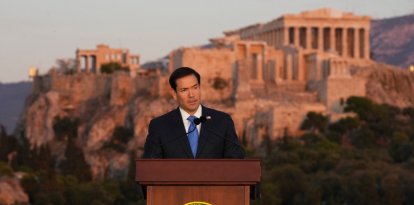
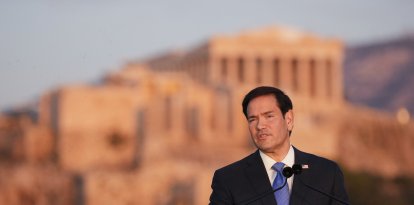
Recently, Secretary of State Marco Rubio stated that the United States is pleased with the progress of the political transition in Venezuela.
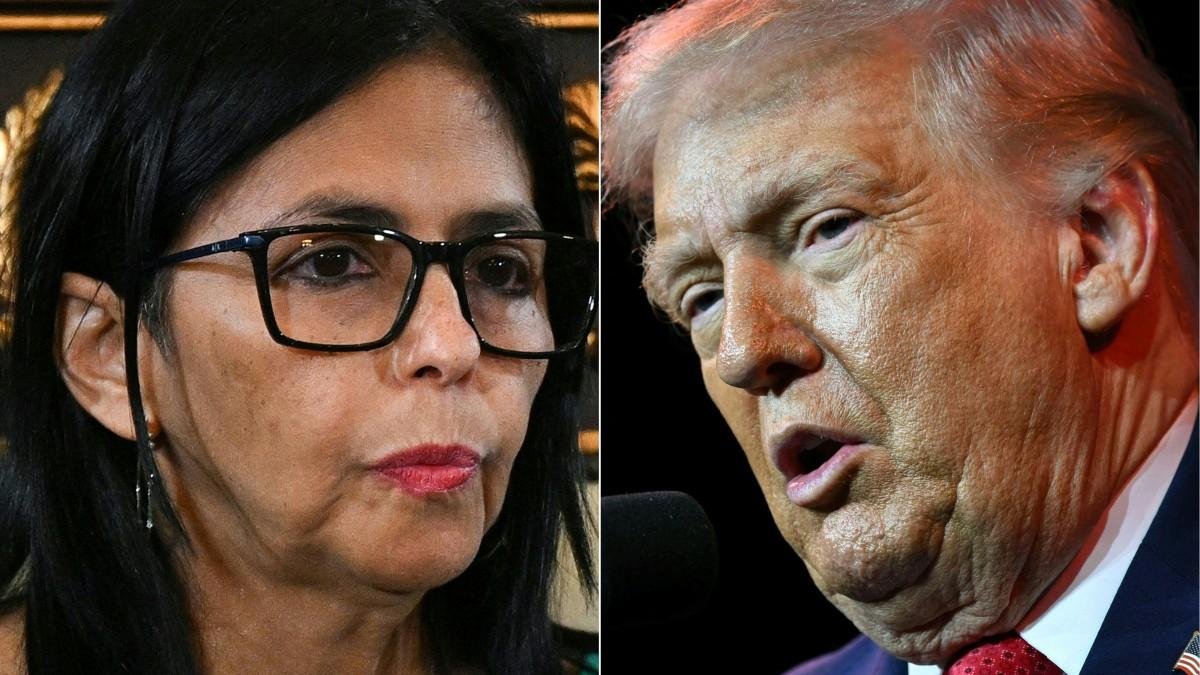
Delcy Rodriguez and Donald Trump in a file image

The Treasury Department on Wednesday lifted sanctions on Delcy Rodriguez, who is serving as interim leader of Venezuela following the capture of former dictator Nicolas Maduro. The move, released by the Office of Foreign Assets Control, is the White House's endorsement of Rodriguez, who Washington has tutored in recent months. It also opens the door for the new Chavista leader to operate more freely with U.S. companies and investors.
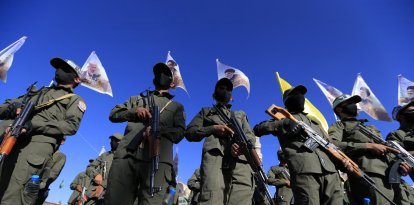
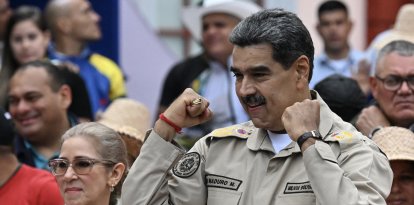
The Chavista regime, meanwhile, continues to find itself in a compromised situation since losing dictator Maduro on January 3, when U.S. military forces captured him and his wife, Cilia Flores, in Caracas. Both were taken to New York, where they face narco-terrorism charges and pleaded not guilty.
Recently, Secretary of State Marco Rubio stated that the United States is pleased with how the political transition in Venezuela is progressing, explaining that the time will come when truly free elections will be held, but that patience is needed for this.
World
Marco Rubio asegura que habrá elecciones libres en Venezuela: “Debemos ser pacientes, pero no complacientes”
Luis Francisco Orozco
While the U.S. recognizes Rodriguez as the interim leader of Venezuela, the legal situation in the South American country is, to say the least, confusing. A Venezuelan court, loyal to the Chavista regime, declared Maduro's absence as "temporary," thus avoiding the calling of elections and preserving the -in theory- legal protections that the position grants him under international law. Within this framework, Rodriguez assumed the leadership of the country for a term of up to 90 days - extendable to six months with the approval of the National Assembly, also controlled by the Chavista dictatorship.
That term expires this Friday, but for the United States, Maduro is an illegitimate ex-dictator, and the only legitimate leader is Rodriguez, who, in practice, leads a more restrained interim governorship under the tutelage of the White House, which is pushing for energy business and civil liberties within the country, especially for the release of all political prisoners.
Although for Delcy Rodriguez, the internal situation is complex, as there are factions of Chavismo dissatisfied with the role imposed by the White House, the interim leader hailed the lifting of sanctions.
"We value President Trump's decision as a step towards the normalization and strengthening of relations between our countries," she said on X. "We are confident that this advance will allow the lifting of the sanctions in force against our country."

Both Delcy Rodriguez and her brother, Jorge Rodriguez, had been sanctioned during Trump's first term, precisely for their role in dismantling Venezuelan democracy. In September 2018, the Treasury included them on its blacklist, noting that the dictator Maduro had granted them high-level positions "to help him stay in power and consolidate his authoritarian rule." Today, the situation has changed completely.
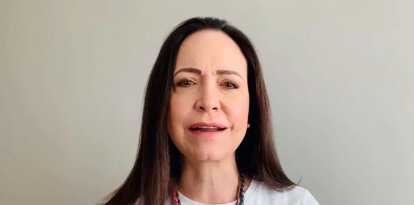
Under the current tutelage, the interim leader of the Chavista regime has acted as a visible face before international investors, promoting the country's opening to private capital and international arbitration. Meanwhile, the White House has also, on several occasions, received Nobel Peace Prize laureate María Corina Machado, Venezuela's main opposition leader and the country's most popular political figure, alongside Marco Rubio and President Donald Trump, who enjoy strong popularity ratings in the South American country.
Machado, who dedicated her Nobel to Trump, is preparing her return to Venezuela after fleeing the country amid heavy police harassment and threats of capture that forced her to remain in hiding for more than a year. Now in exile, the opposition leader has taken the opportunity to meet with key adversaries and gain support in Washington, including the White House.
Política
Poll: María Corina Machado and Marco Rubio top popularity rankings in Venezuela
Emmanuel Alejandro Rondón
In parallel, the Treasury issued an authorization in March allowing state-owned PDVSA to sell Venezuelan oil directly to U.S. companies and in global markets, reversing years of blockade on the country's energy sector.
Maduro, meanwhile, continues his long and extensive judicial process in the United States, in an infamous New York jail where he will have to spend a long time.
LATEST