






General Caine will travel on Monday to one of the ships deployed in the Caribbean as the pressure against Maduro grows
The Pentagon, to date, has confirmed 21 attacks against speedboats it considers to be operated by "narcoterrorists".
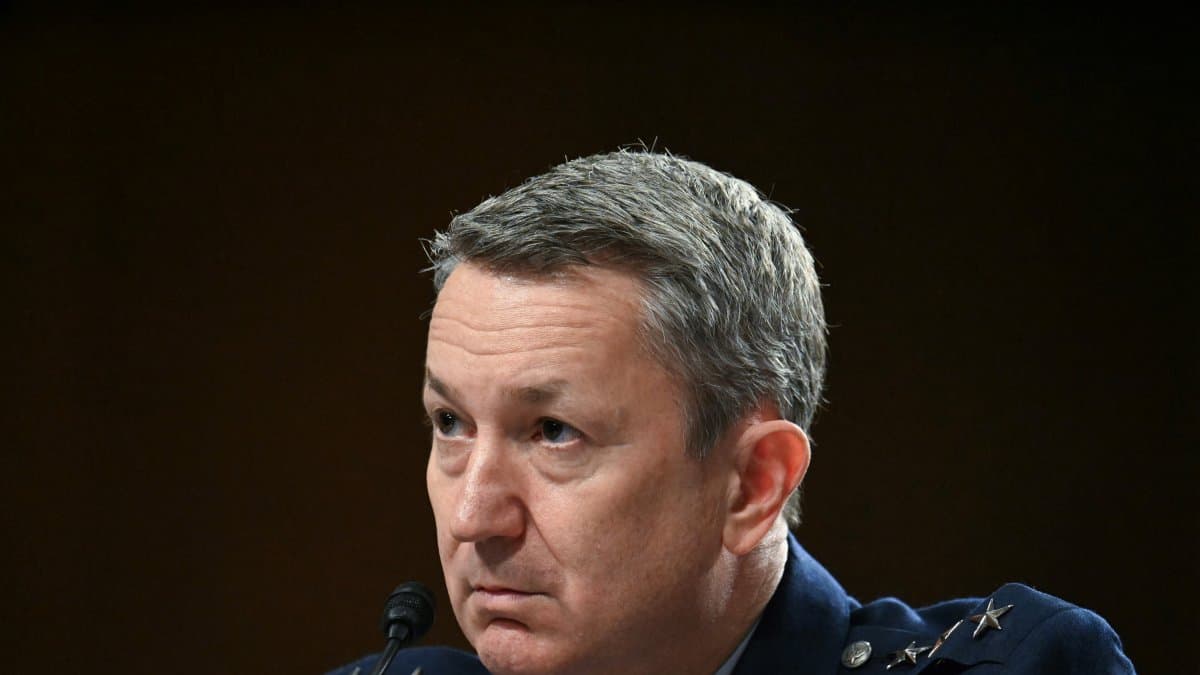

The chairman of the U.S. Joint Chiefs of Staff, Gen. Dan Caine, will visit Puerto Rico and one of the U.S. warships deployed in the Caribbean on Monday, in a tour the Pentagon describes as a gesture of support for troops ahead of Thanksgiving, but which comes at a time of maximum pressure against the regime of Nicolás Maduro.
Caine, according to various reports, is the chief architect of Operation Southern Spear, considered the largest U.S. naval deployment in the Caribbean since at least 1962. Under his watch, the United States has sent approximately 15,000 military personnel, the aircraft carrier Gerald R. Ford, destroyers, cruisers and amphibious units positioned between 50 and 100 miles off the Venezuelan coast.
Although the Trump administration publicly presents the operation in the Caribbean as a counter-narcotics mission, the location of the ships, very close to Venezuela, reveals a broader strategy of pressure on the dictator Maduro, accused by the U.S. of narcoterrorism.
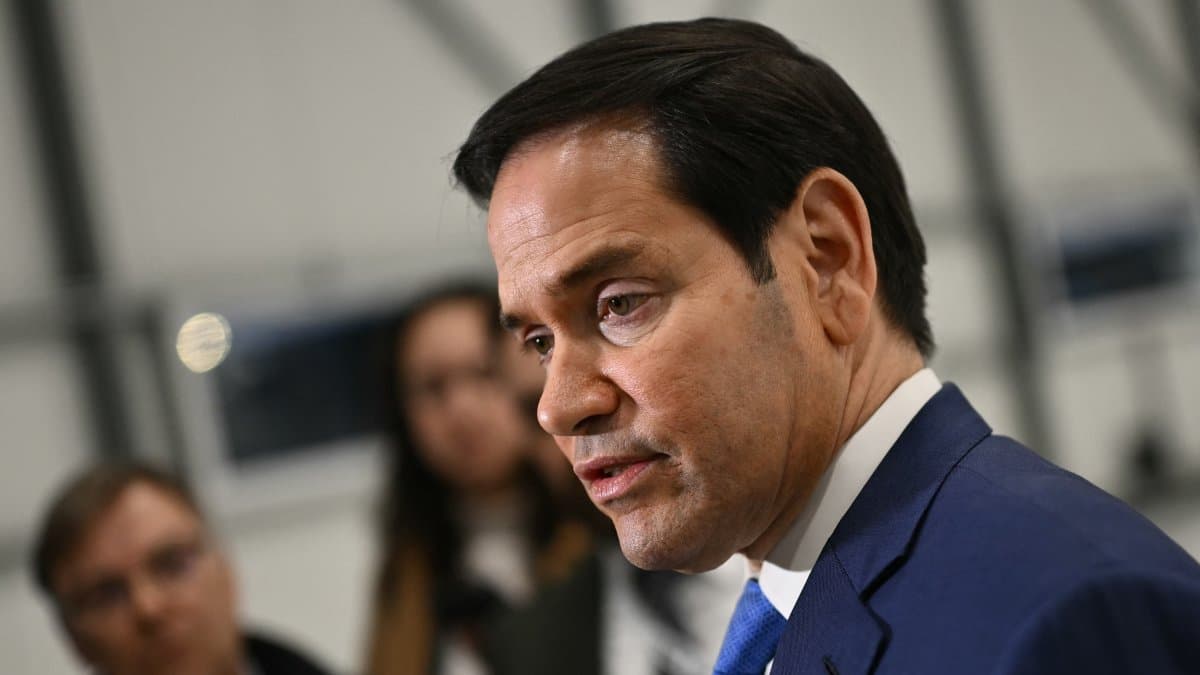
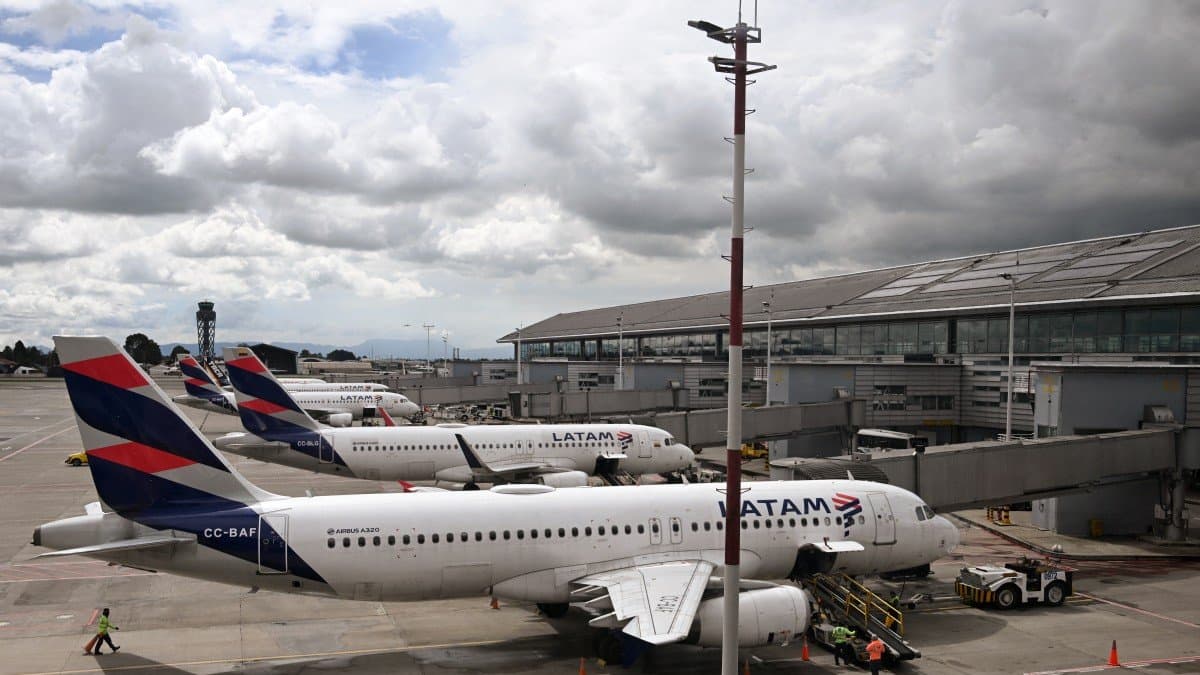
The Pentagon, to date, has confirmed 21 attacks against speedboats it considers to be operated by "narco-terrorists."
The general's visit comes as the White House evaluates new phases of its military campaign against the Cartel de los Soles, a criminal structure officially declared as a transnational narcoterrorist structure supported by the Venezuelan military leadership. Added to this network is the expansion of the now unfortunately famous Tren de Aragua, the mega-gang that emerged in Venezuelan prisons and is now present in several countries in the hemisphere, including the United States, which is also part of the criminal ecosystem that, according to various investigations, is tolerated or instrumentalized by the socialist regime of Maduro and his entourage.
According to sources quoted by The New York Times, President Donald Trump has already approved plans for covert CIA operations inside Venezuela, in addition to authorizing indirect contacts with the Chavista regime that, at one point, included an offer by Maduro to leave power after two years, a proposal that, in the end, was rejected by Washington, which considers any delay by Maduro to leave power unacceptable.
In this context, Caine's presence on the ships deployed in the Caribbean acquires a particular weight. Since it fuels the potential escalation scenarios studied by the administration, among which stand out cyber operations, limited sabotage, psychological actions or selective attacks against drug trafficking infrastructure linked to the Venezuelan power apparatus.
🛠 Do you think there is an error in this article?
Recommendations


LATEST