






ANALYSIS
Iran evades US sanctions with help from China's financial support
A secret deal, reported by The Wall Street Journal, would send Iranian oil to China, Tehran’s largest customer, in exchange for Chinese state-backed companies building infrastructure in Iran.
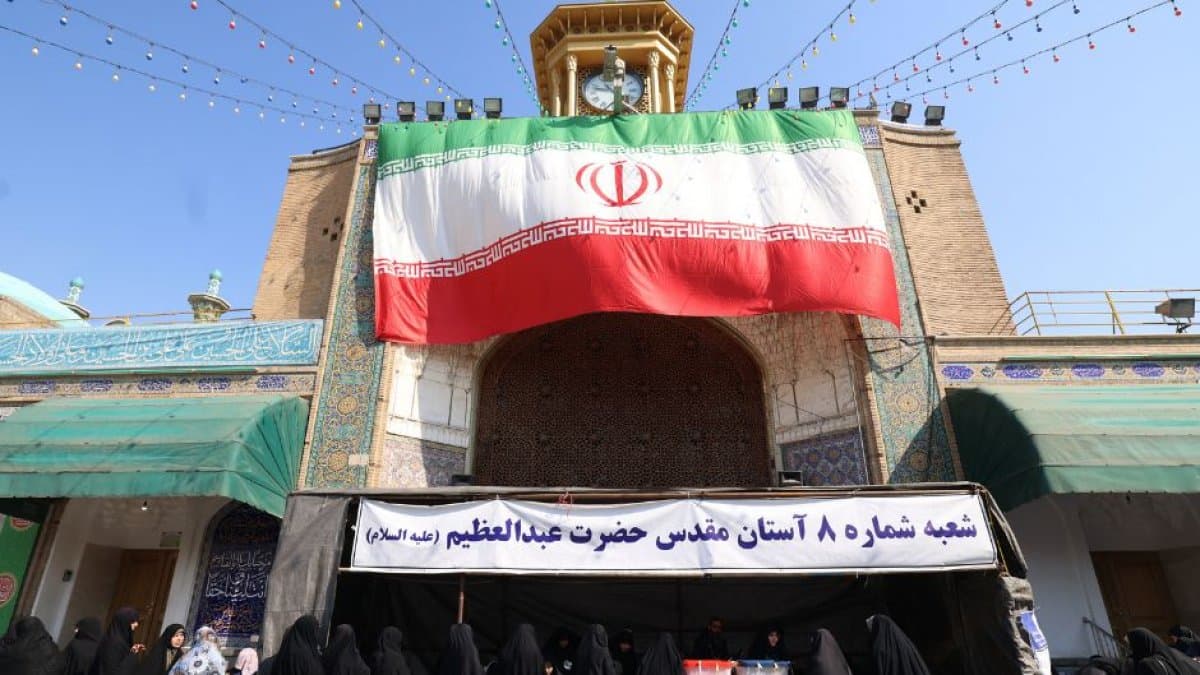

China and Iran have found a way for Tehran to evade U.S. sanctions that make it nearly impossible to pay for its oil. The plan reportedly involves a hidden deal backed by a major Chinese insurer.
The Wall Street Journal reported that the deal would have Iranian oil shipped to China, Tehran’s largest customer. In return, Chinese state-backed companies would build infrastructure in Iran. To learn about the financing scheme, the WSJ spoke with several current and former Western officials, including from the United States.
According to officials, the financing scheme involves a Chinese state-owned insurer, Sinosure, which describes itself as the world’s leading export credit agency, along with a Chinese financial entity so secretive that its name does not appear on any public list of banks or financial institutions in the country, Chuxin.
According to officials consulted by the WSJ, the deal involves an Iranian-controlled company registering the sale of oil to a Chinese buyer linked to the state-owned crude trader Zhuhai Zhenrong, which is subject to U.S. sanctions.
In return, the Chinese buyer transfers hundreds of millions of dollars to Chuxin each month, officials said. Chuxin then channels the funds to Chinese contractors developing engineering projects in Iran, with financing backed by Sinosure, which serves as the economic link coordinating the entire operation.
Meanwhile, U.S. government officials and industry experts said Iranian crude arriving in China takes an indirect route to conceal its origin. This reportedly involves ship-to-ship transfers and often mixing with oil from other countries.
By circumventing the global banking system, the scheme has created a lifeline for the Iranian regime in the face of U.S. policy. According to officials consulted, at least $8.4 billion in oil payments flowed through this channel last year to finance Chinese work on major infrastructure projects in Iran.
Iran exported $43 billion
The agreement, detailed by the WSJ, would strengthen economic ties between the two regimes. However, these ties are not new. China has been the main buyer of Iranian oil since 2018, when President Trump withdrew the United States from the 2015 nuclear deal and reimposed U.S. sanctions.
The ties between the two countries extend beyond economics. China has also backed Iran politically. In September, Xi Jinping hosted Iran’s Masoud Pezeshkian at a multinational summit and military parade attended by the leaders of Russia and North Korea.
President Trump's heavy-handed policy
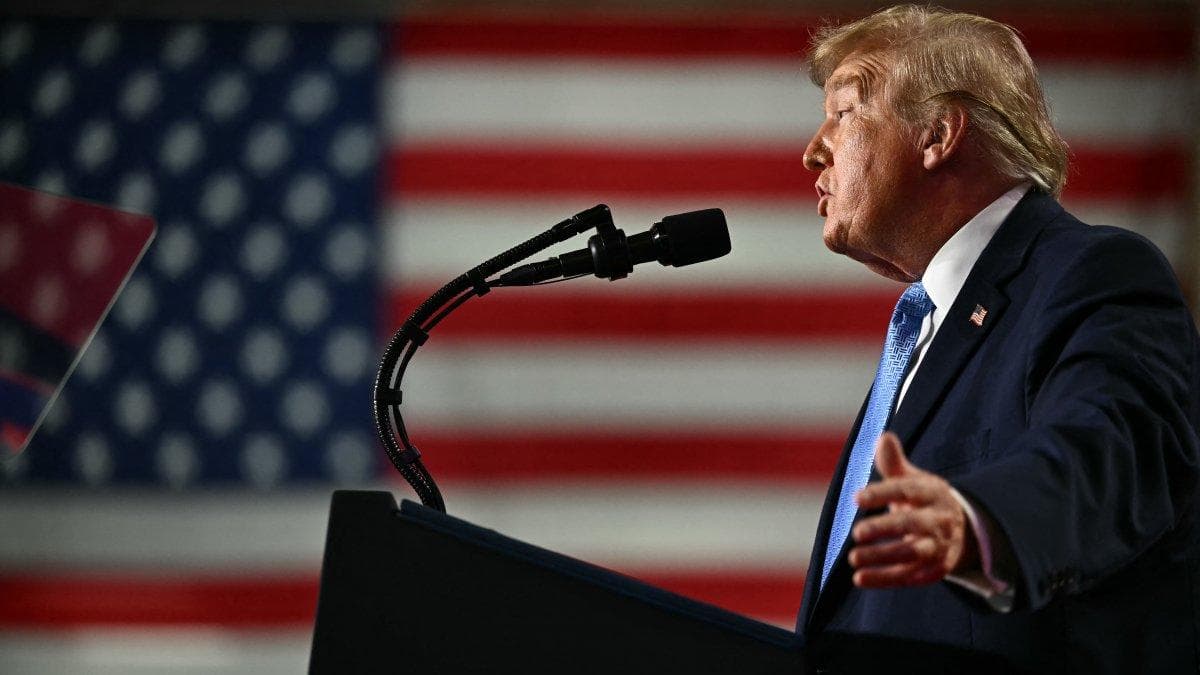
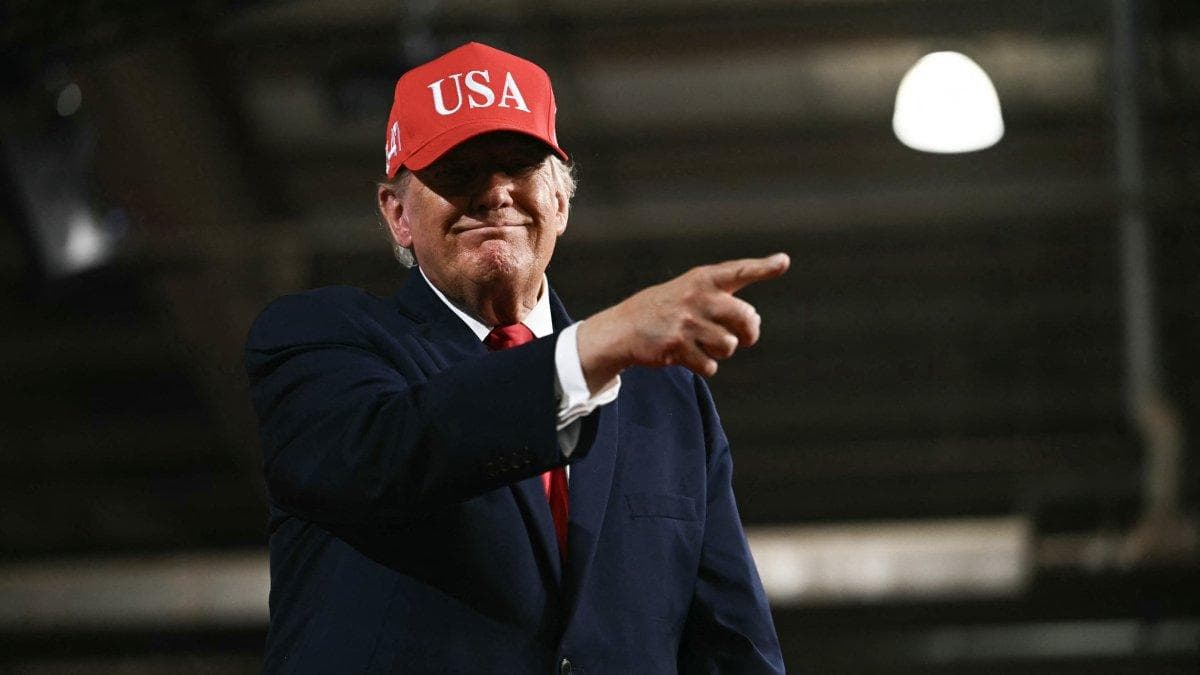
President Donald Trump remained steadfast in the U.S. position on Iran. Just two weeks after taking office, the Republican ordered the use of maximum pressure to force Tehran to curb its nuclear program and end support for allied militias.
Despite efforts by the U.S. administration, which has since imposed sanctions on Chinese individuals and small entities, Iranian exports to China have continued.
In that regard, the WSJ noted that in addition to targeting Iranian energy exports, “Washington has imposed sanctions on most Iranian banks, including its central bank, making it extremely difficult to transfer money to Iran.”
Sinosure's moves
According to the company, as of the end of last year it had supported more than $9 trillion in trade and investment activities worldwide.
Chinese infrastructure projects in Iran tend to be large, state-led undertakings, including airports, refineries and transportation projects managed by China’s largest state-owned banks and engineering groups.
According to AidData, a research lab at William & Mary in Williamsburg, Virginia, China made financial commitments of more than $25 billion to build infrastructure in Iran between 2000 and 2023. Sinosure played a direct role in 16 of the 54 documented projects.
🛠 Do you think there is an error in this article?
Recommendations





LATEST