Trump administration refuses to curb artificial intelligence, warns of danger of losing technological leadership to China
President Trump's advisers have insisted that responsibility lies directly with the creators of these platforms and not with government intervention.
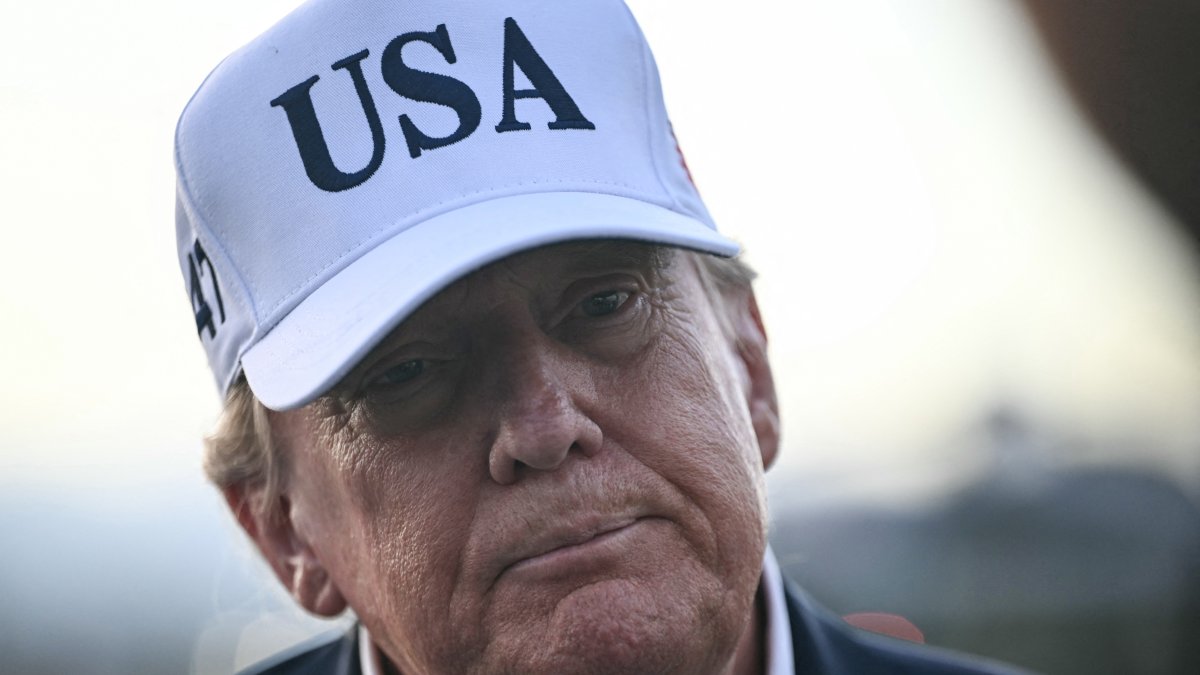
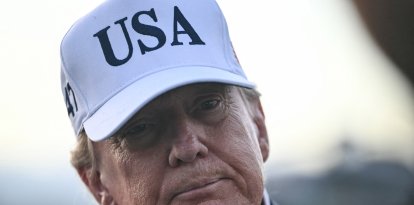
President Donald Trump speaks with the media before boarding Air Force One to depart from Shannon Airport in western Ireland on Sept. 13.

President Donald Trump lashed out at claims that artificial intelligence (AI) poses a threat of destruction to humanity, framing this narrative as an unfounded ploy promoted by political factions.
Through a series of posts on Truth Social, the president equated apocalyptic messages about AI with previous campaigns regarding global warming and investigations targeting him.
Trump emphasized the strategic value and infrastructure of this technology for U.S. growth, questioning the bureaucratic and regulatory obstacles that hinder its deployment nationwide.
"AI, and Data Centers, will be the Greatest Economic Development Engine in History — bigger than Oil, Gold, Diamonds, or even the Internet. It will not be stopped by brilliantly run Destructive Forces during the Term of President Donald J. Trump!" he wrote.
Warnings from the industry and the stance of White House advisers
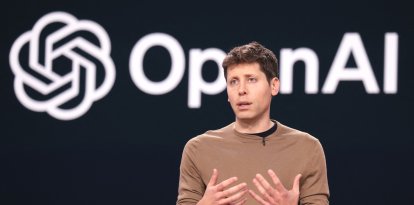
The president's statements coincide with growing concern expressed by key figures within the tech industry. Executives such as Dario Amodei, CEO of Anthropic, and Sam Altman, CEO of OpenAI, have warned about the potential risks of developing uncontrolled superintelligences, calling for a pause or slowdown in certain advancements.
In response, the president's advisers have insisted that responsibility lies directly with the creators of these platforms and not with government intervention.
David Sacks, a key administration adviser on technology and co-chair of the White House Council of Advisors on Science and Technology, noted in statements to CBS News that fears of an existential threat are being blown out of proportion by the political climate.
"I think this is turning into a panic," Sacks told CBS News. "We're in the middle of an election cycle, and there's an incentive for political actors to try to amplify fear. I think this is a time to calm down a bit and look at the issue rationally."
Sacks placed the responsibility for safety on development companies such as Anthropic and OpenAI, noting that "if you can't control it, then don't do it," but emphatically rejecting the idea that this should mean a government-mandated blanket pause.
Competition with China and regulation of the sector
Both President Trump and his advisors agree that imposing severe restrictions or halting the advancement of artificial intelligence would represent a critical competitive disadvantage for the country vis-à-vis international adversaries.
Sacks warned CBS News that any regulatory standstill on U.S. soil would be exploited by Beijing.
"If we simply pause all development, they will pull ahead. It's pretty clear that they're not going to stop," he argued, backing the president's stance of maintaining the pace of development to ensure U.S. technological leadership on the global stage.
LATEST