ANALYSIS
Spain and the parallels with South Africa 2010
“La Roja's” path to the 2026 World Cup final is a carbon copy of the tournament 16 years ago, when it won its first and only World Cup title.
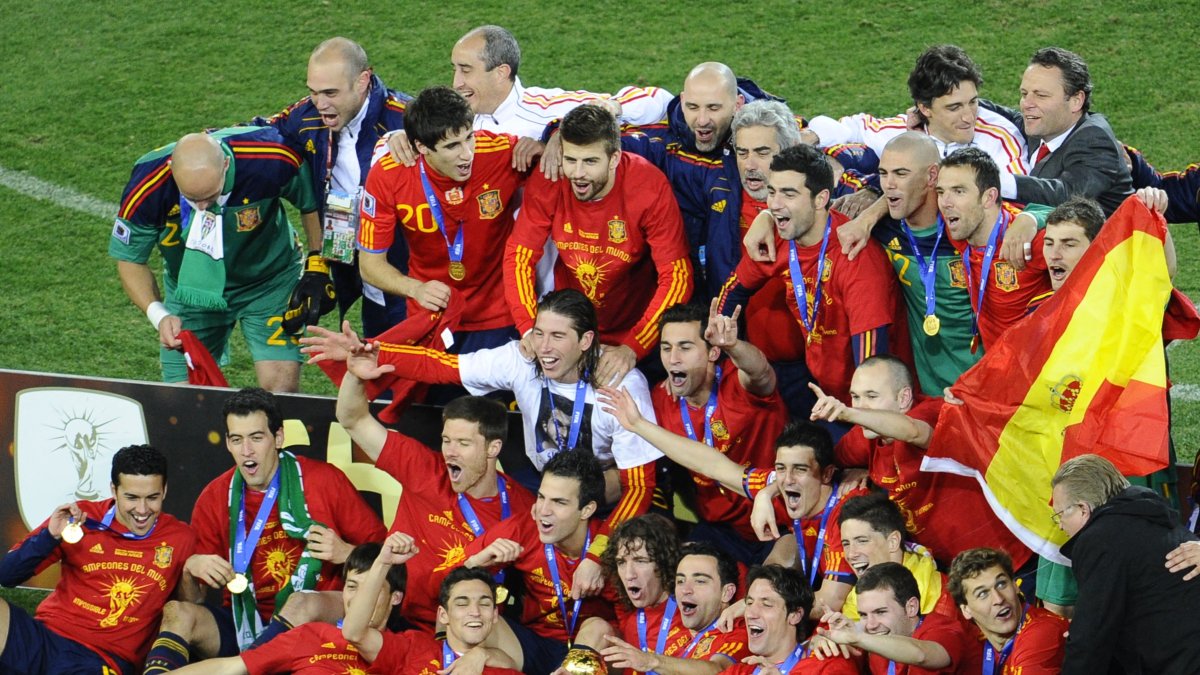
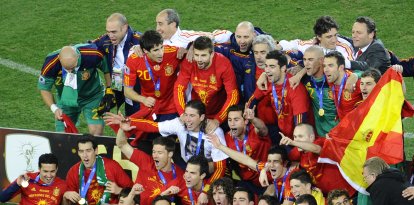
Spain was crowned champion at the 2010 World Cup. File photo

They entered the tournament as one of the heavy favorites and, so far, have not disappointed. After defeating France in commanding fashion (2-0) in the semifinals and sweeping aside its rivals throughout the 2026 World Cup, Spain is one step away from rewriting its own history and winning its second star—a feat that now only Argentina can prevent.
The team coached by Luis de la Fuente and led on the field by stars such as Lamine Yamal, Rodri Hernández, Mikel Oyarzabal and Fabián Ruiz, among others, will seek eternal glory this Sunday at New York New Jersey Stadium (MetLife Stadium). “La Roja's” impressive run in this tournament, combined with its outstanding form in recent seasons, makes it impossible to ignore the striking parallels with that golden generation that reached the pinnacle of soccer at South Africa 2010.
The parallels with South Africa 2010
First, it's important to remember that Spain arrived to South Africa in 2010 as the 2008 European champion, a title it won under coach Luis Aragonés with a roster featuring legends of Spanish and international soccer such as Iker Casillas, Carles Puyol, Sergio Ramos, Andrés Iniesta, Xavi Hernández, Xabi Alonso, David Villa and Fernando Torres, among others. To North America, “La Roja” has returned in the same manner, after clinching the title in the most recent edition of Europe's premier national team tournament, held in 2024.
At the 2010 World Cup in South Africa—with Vicente del Bosque as head coach—the Spanish team began its campaign raising doubts after an unexpected loss to Switzerland in its first group stage match. They also failed to secure a victory at the 2026 World Cup in the United States, Mexico and Canada, when in their first 90 minutes of the tournament they managed only a draw against Cape Verde, a team that, like the Swiss, is technically and tactically inferior.
After those first two nearly identical stumbles, the script played out in the same way. As the tournament progressed, Spain racked up nothing but victories, even though they occasionally had to work harder than expected. Some of those victories were identical: in the Round of 16, in both South Africa and North America, they faced Portugal, defeating them by the same score (1-0) in both tournaments.
In the semifinals of both tournaments, Spain brought out its best form against two powerhouses of European and world soccer. Sixteen years ago, it was Germany that succumbed to Spain's talent and intensity; a few days ago, it was France that fell.
The team above individual players
De la Fuente has put together a roster very similar to the one del Bosque led in South Africa 2010: a mix of veteran experience and extreme youth that has been the key to success.
The freshness of players who have barely come of age, combined with the experience of the team's pillars, has given the group a unique identity. This unit, unfazed by the pressure of the big stage, prioritizes collective effort over individual brilliance and displays a defensive solidity that inevitably evokes the one that propelled Spain to glory in South Africa.
LATEST