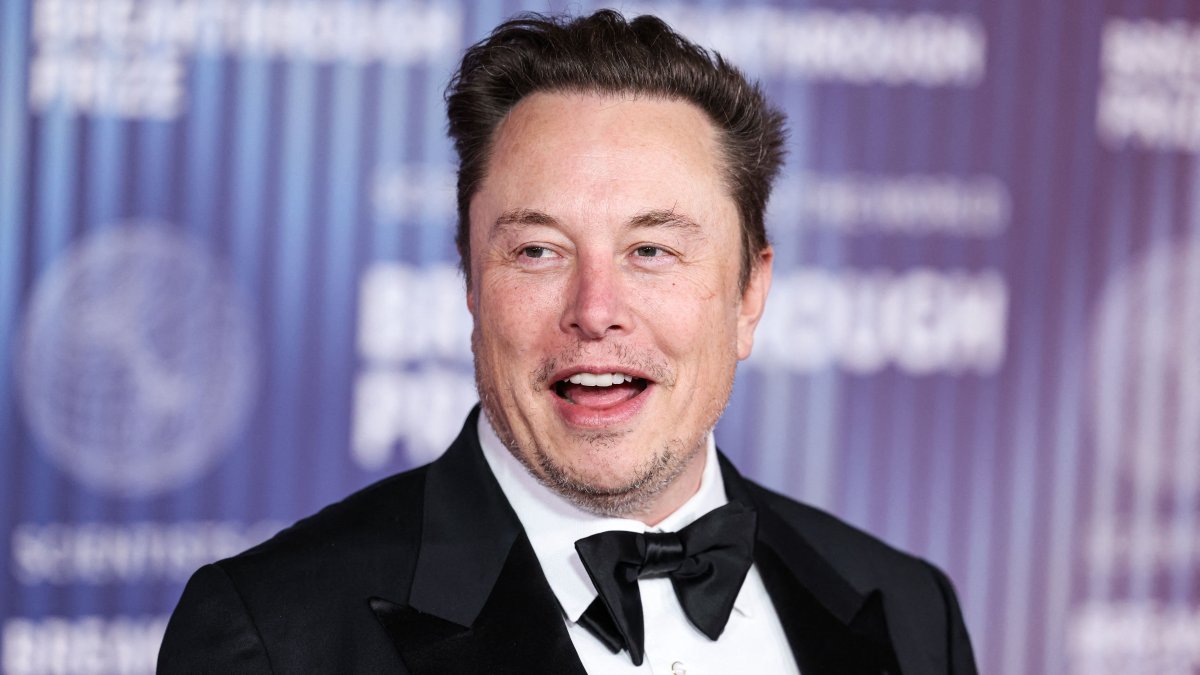
Vast majority of campaign funds contributed by Elon Musk went to candidates who lost in midterms
The billionaire funneled more than $450 million through political action committees and Republican campaigns, suffering severe setbacks in strategic states such as Texas.
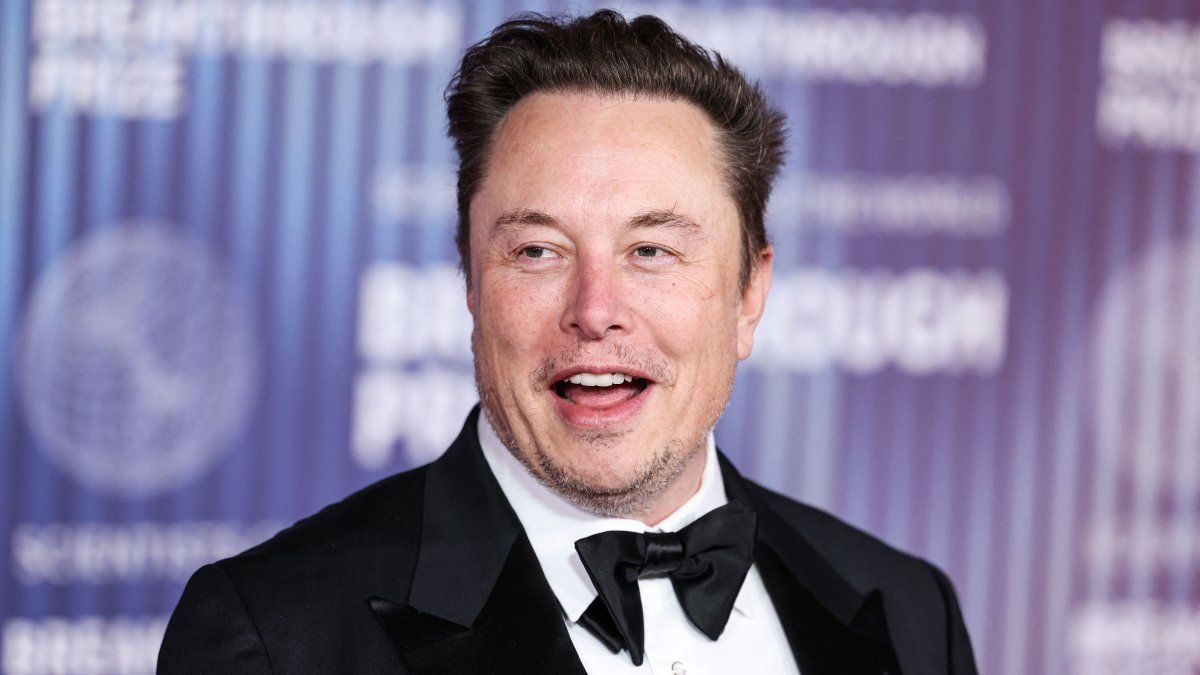
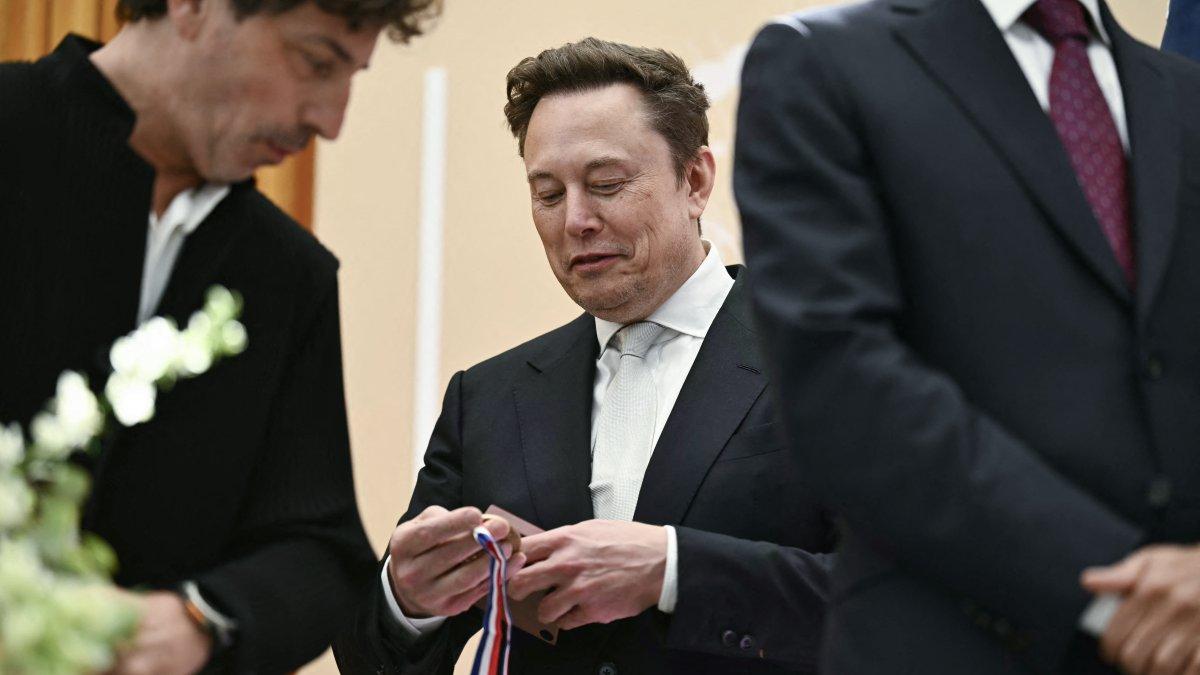
Elon Musk—NurPhoto via AFP.

The financial contribution made by the businessman Elon Musk in the midterm elections resulted in an extremely limited return on investment.
After becoming the top individual contributor in the electoral process — with contributions exceeding $450 million — according to records filed with the Federal Election Commission (FEC) and reported by Forbes — the vast majority of candidates backed by his organization failed to secure victory at the polls.
The tycoon, who had publicly expressed his concern over a Democratic victory by describing it as a risk to institutional stability, distributed resources across 106 races for the House of Representatives and the Senate.
However, official tallies reveal that only a small fraction of the candidates he supported won — mainly in districts with a deeply entrenched conservative profile — while the overwhelming majority of the funding allocated to contested races went to candidates who were defeated or swept aside by the "blue wave."
Counterweight in Texas and response on social media
Nearly half of the capital deployed by Musk — approximately $224 million, according to an analysis by CNBC -- was concentrated in Texas, the state to which he moved the operational headquarters of Tesla, SpaceX and X.
In that state, the effort to consolidate the positions of figures such as Greg Abbott and Ken Paxton was not enough to stem the opposition's advance, which secured both the governorship with Gina Hinojosa and the Senate seat with James Talarico.
During his victory speech after securing 55% of the vote, Talarico directly addressed the influence of great fortunes in the process: "We've just sent a message to every billionaire megadonor, every trillionaire megadonor, and every corrupt defender of this broken political system."
After the results began to trend, Musk reacted ironically via his X platform. "I guess my space-based election-interference lasers didn't work this time," the entrepreneur posted, quipping moments later about the possibility of moving data centers into outer space.
A realignment in the political financing landscape
The amount Musk spent far exceeded that of other usual players in political financing, tripling the amounts contributed by donors such as the Uihleins or investor George Soros in previous election cycles.
Although the results in competitive districts reflected the effectiveness of the opposition's mobilization against the advertising blitz, the entrepreneur's financial capacity remains intact looking ahead to future election cycles.
With an estimated net worth of around $898 billion, Musk's involvement underscores the growing influence of Silicon Valley figures in the Republican Party's fundraising dynamics.
Politics
Texas appeals court rules in favor of Abbott on communications with Musk sought by Dem challenger
Bethany Blankley | The Center Square contributor

Politics
With $446 million for midterm elections, Musk is already largest political donor in modern US history
Emmanuel Alejandro Rondón
🛠 Do you think there is an error in this article?
Recommendations


LATEST