Money can't buy victories: Republicans relive the Kamala Harris drama and lost control of Congress despite raising more money than the democrats
Republican groups and their allies raised more than $2.2 billion, compared with $1.3 billion for the Democrats. However, Democratic candidates secured more direct funding and won both chambers, in a scenario reminiscent of Kamala Harris's financial advantage over Donald Trump in 2024.
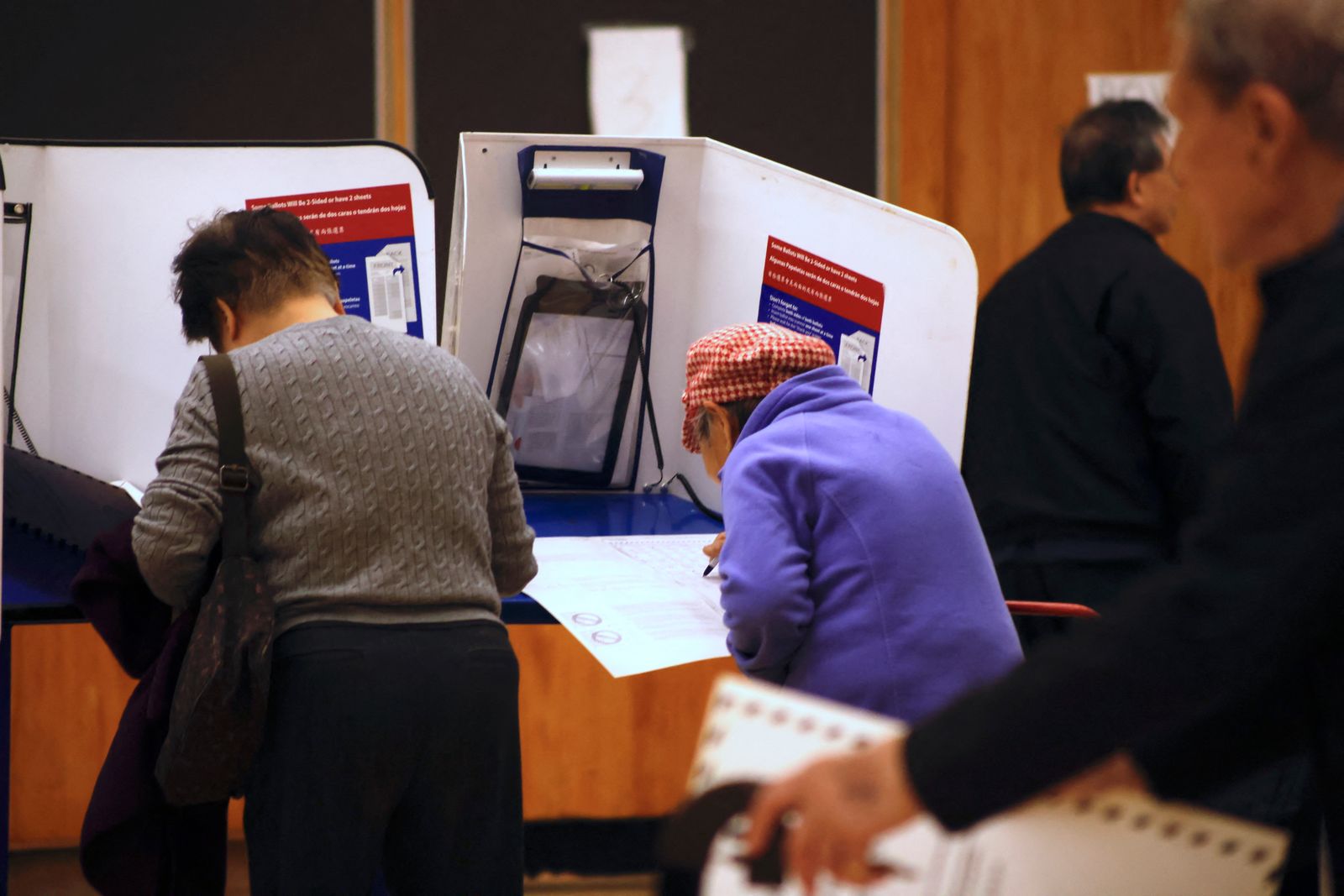
A Look at the U.S. Elections

The Republican defeat in the midterm elections leaves a financial paradox: Republicans and their allied organizations had greater financial resources than their opponents, but they failed to prevent the Democrats from regaining control of both chambers of Congress.
According to an AP analysis reported by WTTW News, the Republican National Committee, its campaign organizations, and allied super PACs—including MAGA Inc.—collectively raised more than $2.2 billion, compared to approximately $1.3 billion raised by committees and groups aligned with the Democrats. However, when looking at direct candidate funding, the advantage shifts: Democratic candidates raised more than $2.3 billion, compared to about 1.6 billion for the Republicans.
The difference was also reflected in advertising spending. Republicans and their allied organizations spent more than $5.5 billion on advertising, compared with just over $5 billion by the Democrats, according to the media tracking firm AdImpact. In total, spending on the midterm campaigns exceeded 11,900 million dollars, according to Federal Election Commission (FEC) records.
Kamala Harris's campaign
Both instances show that greater fundraising and spending capacity alone does not guarantee an electoral victory. In 2024, Harris's financial advantage was not enough to secure the White House; in 2026, the higher fundraising totals of Republican groups did not prevent the Democrats from gaining control of Congress either.
🛠 Do you think there is an error in this article?
Recommendations






LATEST