Gina Hinojosa: The progressive profile of the Democrat who ended three decades of Republican rule in Texas
The newly elected governor, who is of Mexican descent, has defended the right to abortion, questioned Greg Abbott's immigration policies, and rejected his school voucher program.
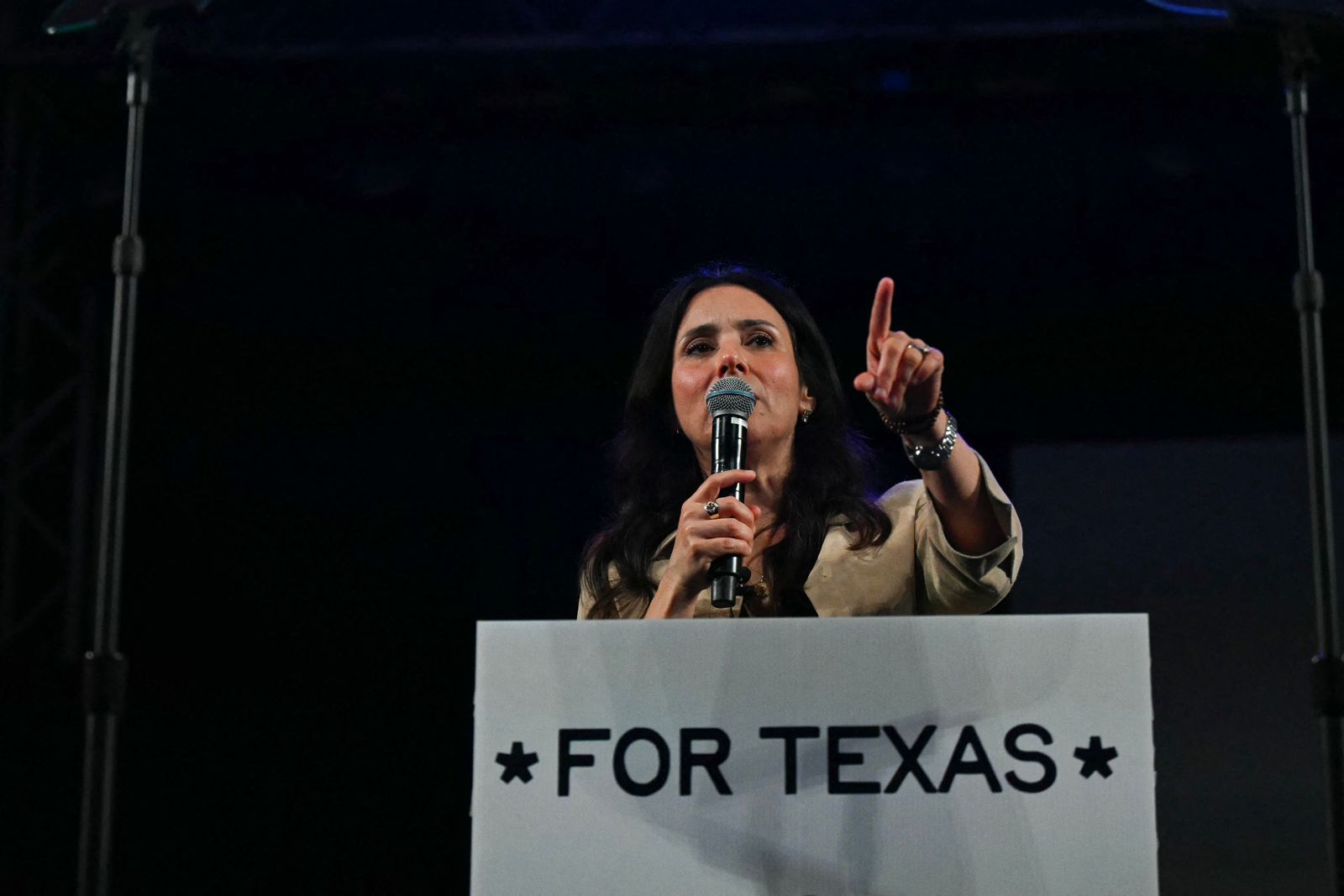
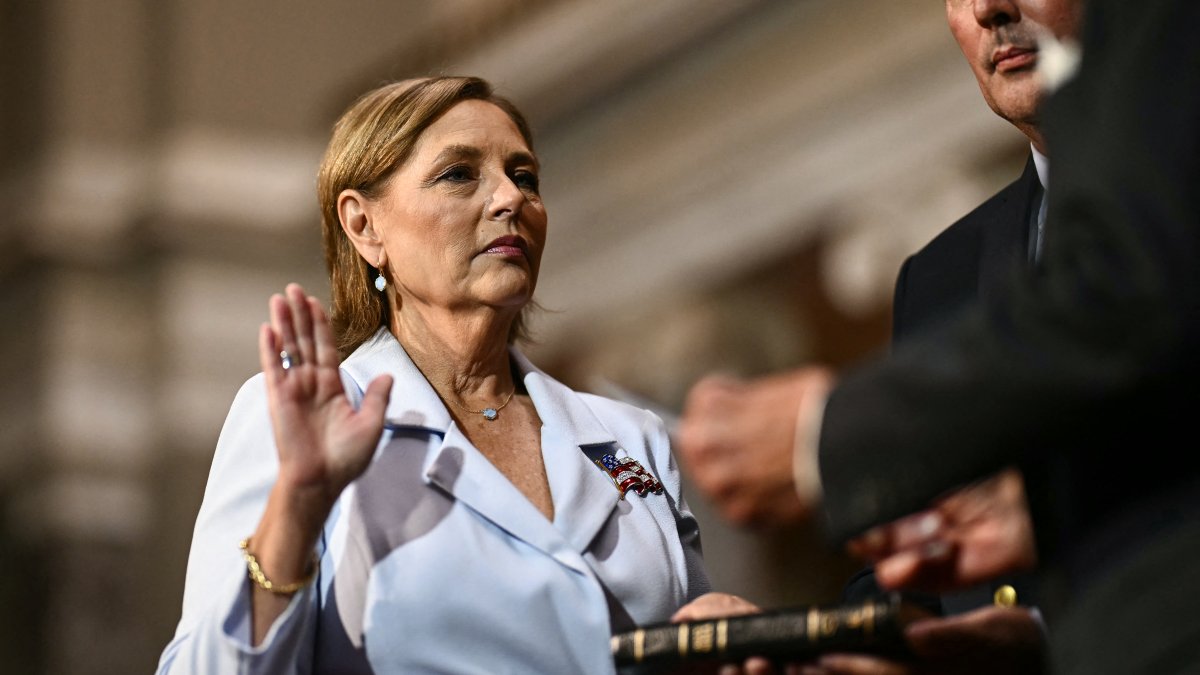
State Representative Gina Hinojosa, Texas's new governor

Democrat Gina Hinojosa, 52, made history by defeating Republican Greg Abbott in the Nov. 3 election and becoming the first Latina woman elected governor of Texas. Her victory, confirmed by the Associated Press, brings an end to more than 30 years of Republican dominance in one of the most conservative states in the United States.
Born in McAllen, near the Mexican border, Hinojosa grew up in a family with ties to the Democratic Party. Her father, Gilberto Hinojosa, served for years as the party's Texas chairman. She attended the University of Texas and earned her law degree from George Washington University. Before entering politics, she worked as an attorney specializing in civil rights and labor issues.
Her public career began on the Austin School Board, and since 2017, she has held a seat in the state House of Representatives. According to her official biography, she has devoted much of her career to public education and labor rights.
A progressive who has moderated her campaign rhetoric
Hinojosa has served as vice chair of the progressive legislative caucus in Texas. According to The Texas Tribune, her legislative stances have placed her among the most liberal members of the state House.
Abortion is one of the issues that most clearly sets her apart from Abbott's conservative legacy. The Democrat voted against Republican-backed restrictions and has publicly defended the right to terminate a pregnancy. In an interview with CNN, she stated that she would seek to eliminate criminal penalties against doctors who perform abortions under certain circumstances, though she acknowledged that changing the law would require more than one election.
On immigration, Hinojosa has questioned Abbott's approach to border control and advocated for a path to legal status for immigrants who have lived in the country for years, according to statements made during her campaign.
She also opposes the school voucher program promoted by Abbott, which allows public funds to be used for certain private education options. Instead, she proposes strengthening public schools and raising teachers' salaries.
The economic promises that defined her campaign
Despite her progressive background, Hinojosa sought to broaden her electoral support with proposals focused on the cost of living and the management of state resources.
One of her main campaign promises was to provide $1,500 per household, funded through Texas's reserves. According to The Texas Tribune, the initiative would cost an estimated $17 billion and would require the Legislature's approval.
Her election as governor marks a new political era in Texas, where Abbott has governed since 2015, promoting border security measures, abortion restrictions and school choice policies.
Hinojosa's main challenge will be turning her agenda into law in a state where institutions and a large portion of the electorate maintain a strong conservative tradition. Her ability to govern will also depend on the political balance of power in the state Legislature, especially on issues such as immigration, education and the protection of life before birth.
🛠 Do you think there is an error in this article?
Recommendations







LATEST