The Senate is considering an ambitious plan to expand nuclear infrastructure
The initiative aims to concentrate fuel fabrication, advanced reactors, spent fuel reprocessing, and data centers in large regional complexes, although it will require changes to nuclear waste legislation.
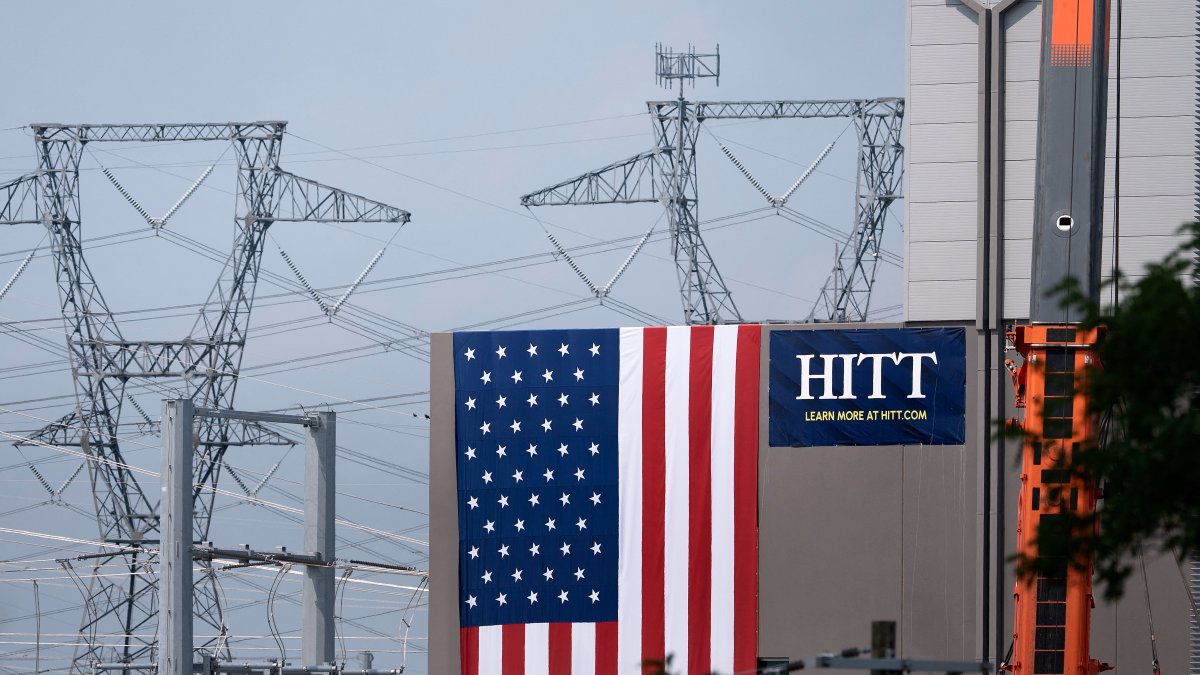
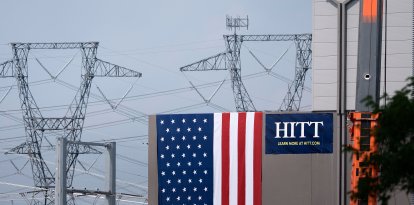
Data center in Stone Ridge, Virginia / Brendan Smialowski

This week, the Senate began reviewing the legal changes needed to advance the so-called Nuclear Lifecycle Innovation Campuses, a Department of Energy initiative that seeks to concentrate various stages of the nuclear industry—from fuel fabrication and enrichment to recycling and final disposal—in large regional hubs.
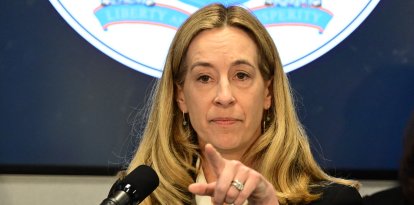
On September 23, the Senate Committee on the Environment and Public Works held a hearing specifically dedicated to updating U.S. policy on nuclear waste. Its chairwoman, Republican Shelley Moore Capito, argued that the current legal framework must be modernized to allow for the development of new nuclear technologies and projects.

Facilities that could include advanced reactors
The Department of Energy's proposal envisions facilities that could include advanced reactors, manufacturing plants, data centers, and spent nuclear fuel reprocessing systems. According to the agency, a single campus could attract up to $50 billion in capital investment, generate up to $10 billion in state and local tax revenue, and create nearly 25,000 jobs.
In July, the Department of Energy initially selected Utah, Tennessee, Oklahoma, Louisiana, and Idaho as potential host states after receiving 28 applications from 26 states. The process is voluntary, and states that ultimately wish to host one of these complexes will need to sign specific agreements with the federal government.

One of the main obstacles is the management of spent nuclear fuel. The Department of Energy itself acknowledges that the current legal framework limits the possibility of developing several of these campuses and that congressional action will be necessary for the initiative to be fully implemented.
The discussion also comes at a time of growing electricity demand in the United States, driven in part by the expansion of data centers and artificial intelligence—a scenario in which the Administration seeks to expand nuclear power generation as a stable source of energy.
LATEST