US launches task force to disrupt land transit routes into Iran
The team of both civilian and military personnel based in Florida would coordinate with government agencies on "preventing the movement of advanced weapons systems, dual-use technologies, sanctioned materials, and illegal revenue streams across Iran's land borders and the Caspian Sea."
US Military deployed in Middle East

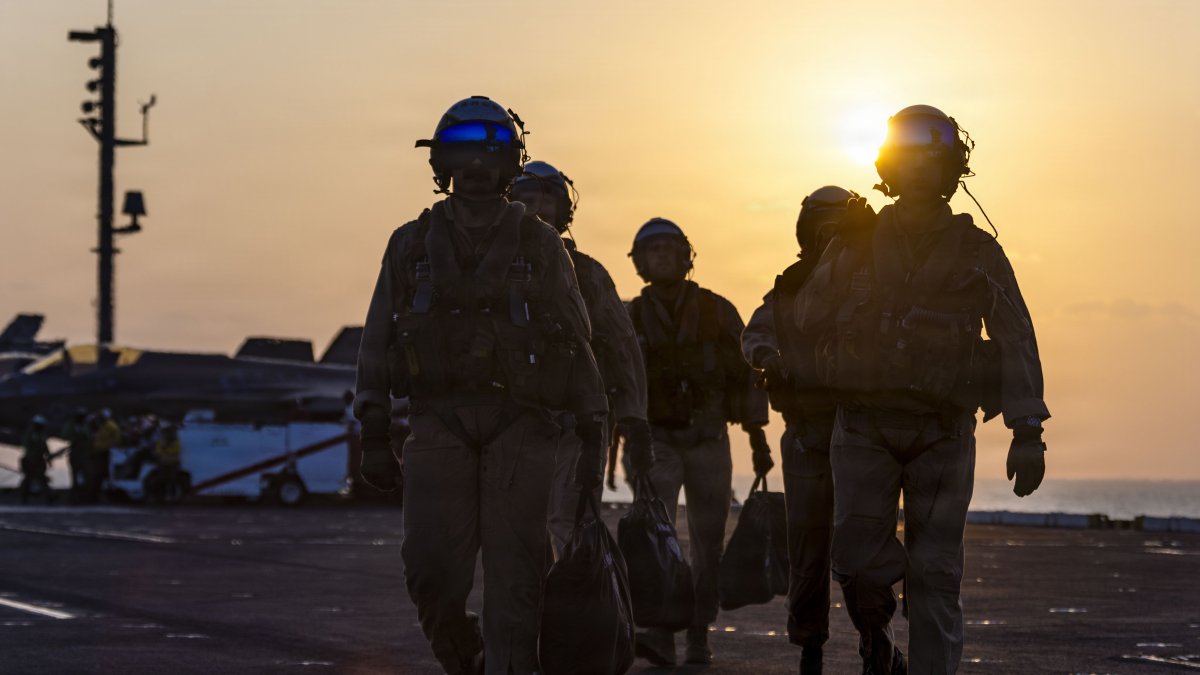
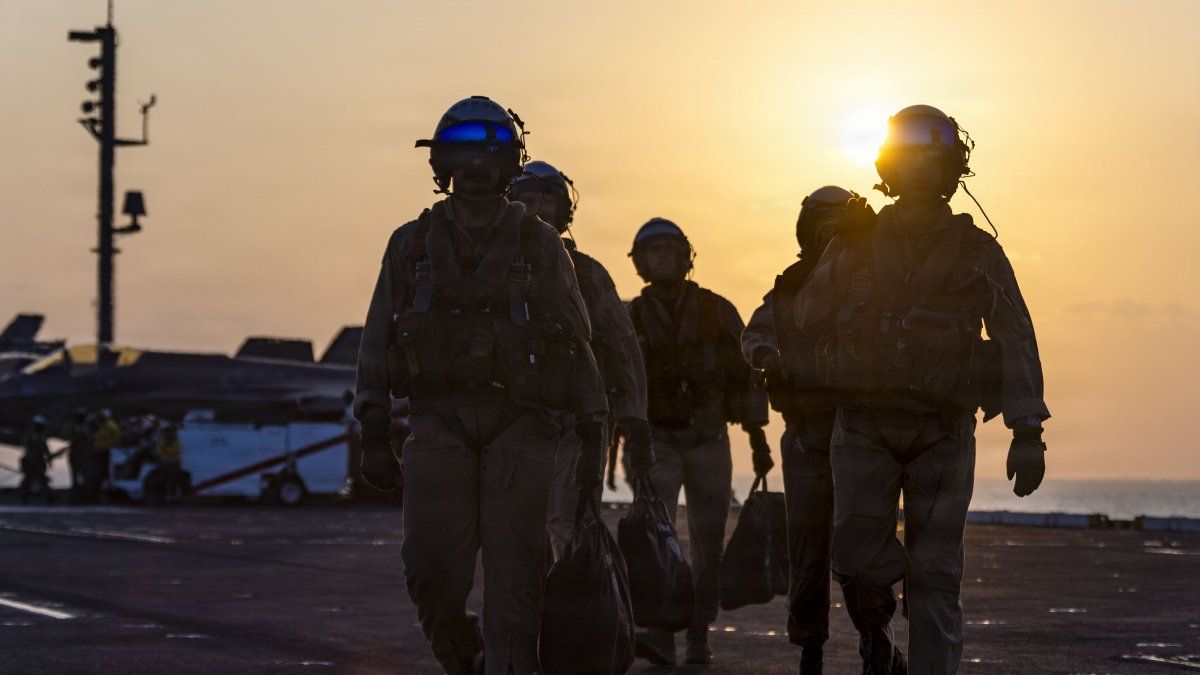
The US military has announced it will create a 20-member task force to find ways to disrupt land routes into Iran that it says are used for shipments of weapons and illicit materials.
The restrictions would expand on a US naval blockade of Iranian ports during the two countries' eight-month war, in which Tehran has also restricted passage through the critical Strait of Hormuz trade route, choking global energy supplies.
The task force's work "will further constrain Iran's ability to finance terrorism, rebuild weapons factories, and replenish their military," US Central Command chief Brad Cooper said in a statement posted on X.
The team of both civilian and military personnel based in Florida would coordinate with US government agencies on "preventing the movement of advanced weapons systems, dual-use technologies, sanctioned materials, and illegal revenue streams across Iran's land borders and the Caspian Sea," the statement added.
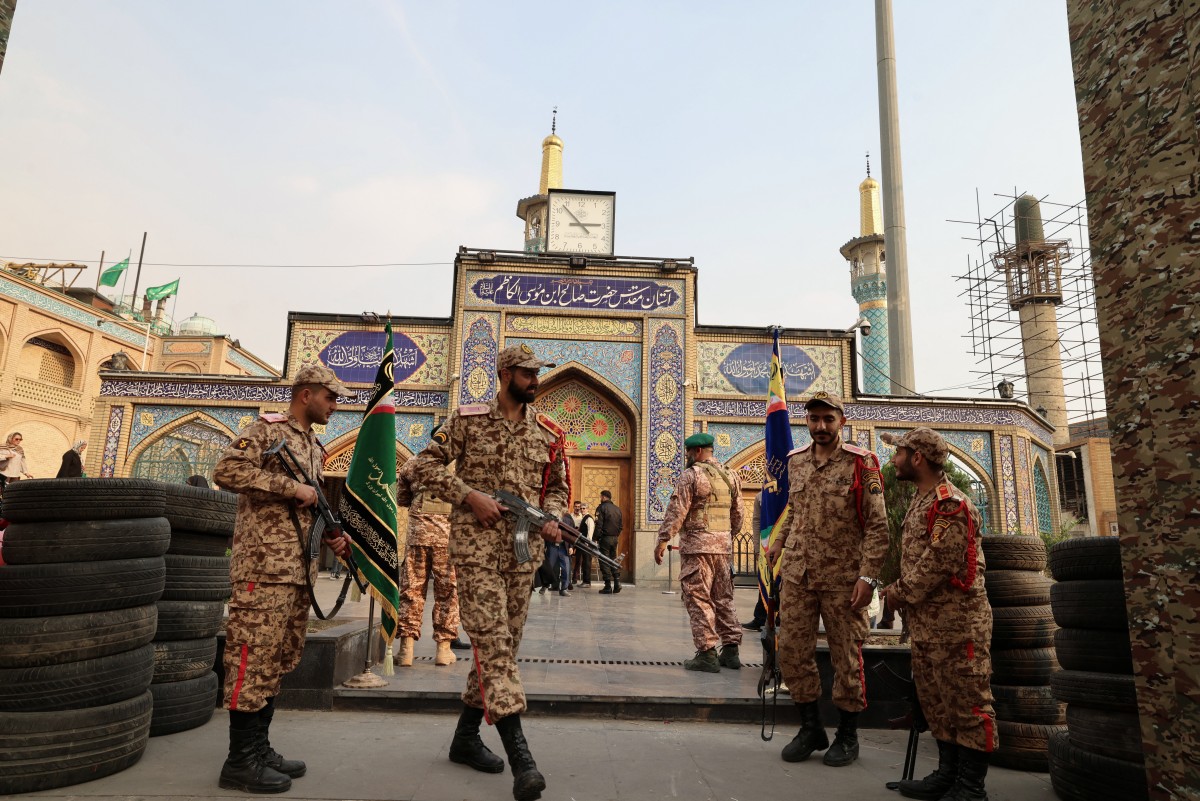
IRGC said Washington's latest bid "will fail"
Iran's Islamic Revolutionary Guard Corps said Washington's latest bid "will fail" and will not bring about economic collapse in the Islamic republic.
"The United States will never be able to impose the economic blockade it is pursuing and proposing under various names and through different plans," Guards spokesman Hossein Mohebi said, according to Fars news agency.
"The Americans will not achieve their objective of exerting extreme economic pressure to bring about the collapse and disintegration of Iran's economy."
Mohebi added that the United States would be "powerless to block" communication channels between Iran and neighbouring countries.
CENTCOM: blockade "prevented Iran from exporting more than $25 billion"
CENTCOM said that the naval blockade on Iranian ports had "prevented Iran from exporting more than $25 billion in crude oil."
In August, Washington announced what it called an "economic asphyxiation" campaign on Iran aimed at strangling its already battered economy.
Those measures were in response to Tehran's blockade of the Hormuz strait, where Iranian forces have regularly targeted vessels that attempted to cross without authorisation.
Iran says 3 tankers caught fire in Hormuz
"Since the early hours of this morning, three non-compliant tankers have exploded and caught fire while they were sailing in the illegal channel in the Strait of Hormuz," the Islamic Revolutionary Guard Corps, said in a statement.
The Guards did not specify the names or nationality of the tankers.
Also on Sunday, British maritime agency UKMTO reported that a tanker had caught fire in the strait -off the coast of Khasab, Oman- a day earlier.
"Military authorities reported the tanker is on fire which has resulted in the evacuation of the crew," the agency said in a statement, also reporting another tanker struck by an "unknown projectile" on Saturday.
CENTCOM disables ship in strait of Oman
CENTCOM announced that its forces "disabled a commercial vessel in the Gulf of Oman, Nov. 7, after the ship’s civilian crew ignored repeated warnings and attempted to violate the naval blockade against Iran multiple times".
"A U.S. military aircraft fired precision munitions at the stern of St. Kitts-flagged M/V Huda, disabling the ship after CENTCOM forces directed the crew to abandon targeted spaces. The cargo vessel tried to depart regional waters after visiting an Iranian port.
CENTCOM continues to strictly enforce America’s naval blockade against Iran. Enforcement actions since July have resulted in U.S. forces redirecting 147 commercial vessels that complied and disabled five merchant ships that refused to comply."
CENTCOM has previously destroyed another 10 Iranian commercial oil tankers that were part of the Islamic Revolutionary Guards Corps’ multibillion-dollar shadow network.
🛠 Do you think there is an error in this article?
Recommendations






LATEST