Donald Trump calls for urgent cut in interest rates to 1% following Federal Reserve's historic decision
Trump directly linked monetary policy to the foreign trade imbalance, arguing that the deficit figures represent avoidable financial losses for the nation.
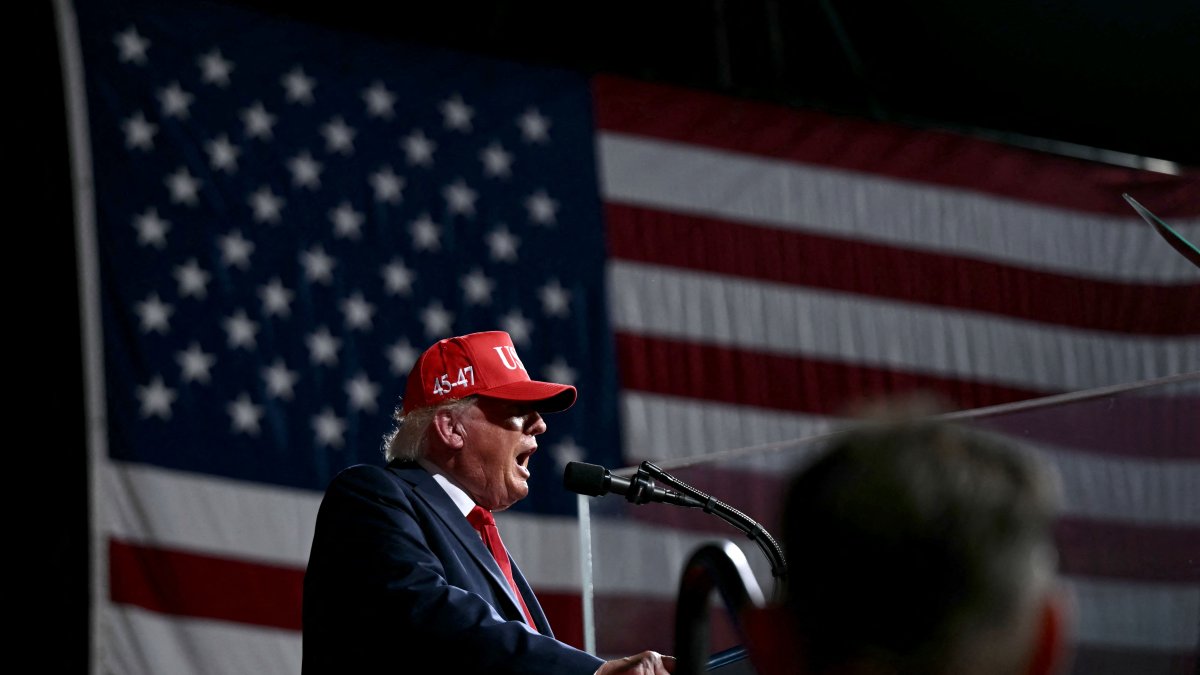
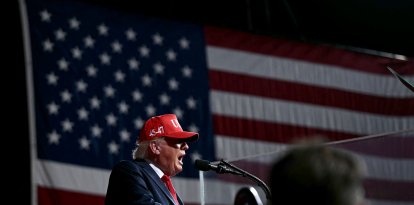
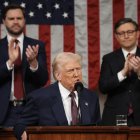
President Donald Trump delivers a speech at a rally at Gastonia Municipal Airport in Gastonia, North Carolina, on Sept. 16, 2026.

President Donald Trump reacted firmly following the unanimous decision by the Federal Open Market Committee of the Federal Reserve to raise interest rates by a quarter of a point.
The move marks a milestone in the country's economic policy: It is the first interest rate hike in three years and represents the regulatory body's most significant decision in years since the last rate cut, marking a clear turning point in the face of inflationary pressures that continue to outpace wage growth.
In a public statement, the president questioned the parameters applied by the institution headed by Kevin Warsh — appointed by Trump himself to chair the agency — and insisted that the current momentum of investment in the United States justifies much more favorable access to credit.
"Interest rates in the United States should be 1%, or less, because we are the World's Best Credit—BY FAR. Our country is THRIVING with new investments!" the president stated.
The trade deficit and pressure on the cost of credit
In his statement, Trump directly linked monetary policy to the foreign trade imbalance, arguing that the deficit figures represent avoidable financial losses for the nation.
"If we stopped trading with all the countries with which we have a deficit—which is the majority—we would gain at least $1.5 trillion a year. The word 'deficit' is nothing more than a fancy term for 'loss.' We are 'supporting' almost every country in the world, and that cannot continue any longer. LOWER INTEREST RATES FOR THE UNITED STATES OF AMERICA, AND FAST!" the president emphasized.
The Federal Reserve's independence under scrutiny
The rate hike pushed by the Federal Reserve is a response to persistent inflation that shows no signs of abating, fueled by supply chain disruptions stemming from the conflict in Iran and changes in tariff policy.
Although the committee's projections anticipate that GDP will continue to grow strongly and unemployment will remain stable, several committee members are already considering the possibility of further increases in interest rates throughout the year.
The public clash has reignited episodes of friction between the executive branch and the central bank. During Jerome Powell's previous term, pressure from the White House led to open institutional disagreements and even investigations by the Department of Justice into the Federal Reserve's infrastructure management and legal disputes involving its governors.
When asked during his Sept. 16 press conference about the president's demands, Warsh declined to respond directly to Trump's stance and emphasized the institution's delicate balance of autonomy.
The Fed chairman noted that the Federal Reserve's independence is "a two-way street," assuring that the institution will remain within its strictly technical domain to preserve price stability while lawmakers operate within theirs.
Politics
New poll: Trump's approval rating remains below 40% as voters burdened by rising costs turn to Democrats
Emmanuel Alejandro Rondón
LATEST