






Another legal setback for Trump: Federal judge blocks his new executive order on birthright citizenship
Just a few days earlier, Boardman had denied a request from CASA Inc., a Maryland-based nonprofit and plaintiff in the case, to temporarily block Trump's executive order.
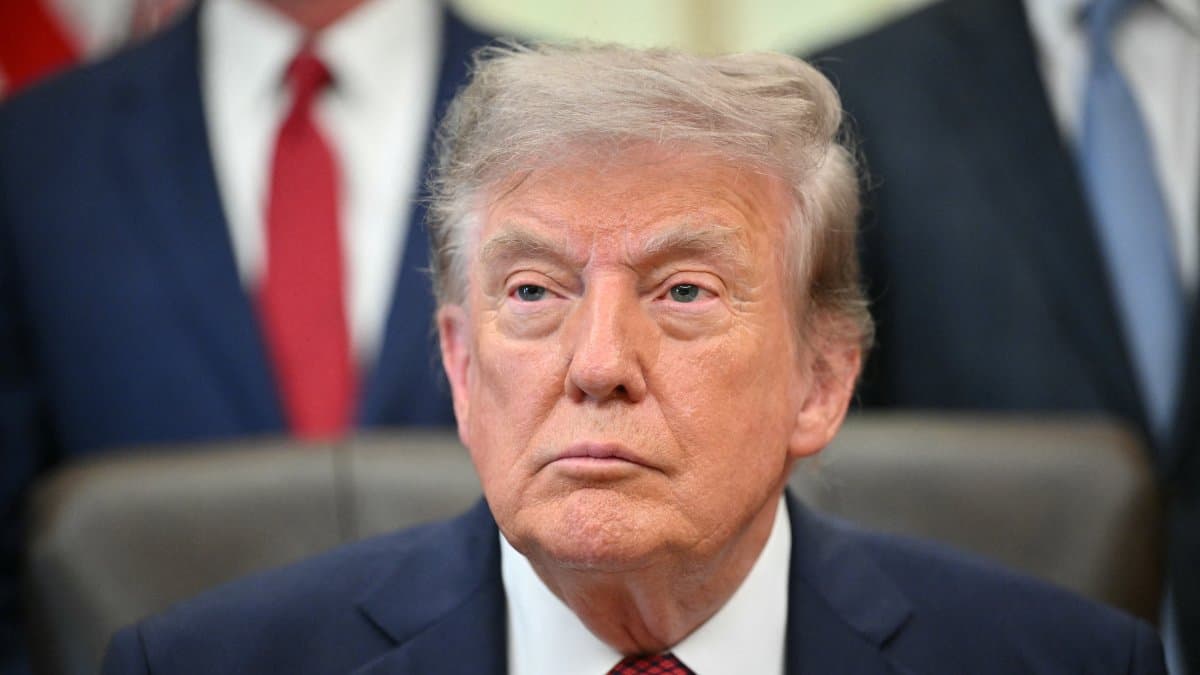
U.S. District Judge Deborah Boardman intervened once again on Wednesday to block attempts by the administration of President Donald Trump to restrict birthright citizenship, ruling on Wednesday that the president's latest executive order is likely unconstitutional. In a 35-page ruling, Boardman concluded that Trump's latest directive was "almost certainly unconstitutional as applied to the certified class." The judge referred to a Supreme Court ruling issued in June that struck down the president's original executive order on birthright citizenship, which Trump signed on his first day back in the White House.
The Maryland federal judge issued a preliminary injunction in a lawsuit filed by two immigrant advocacy groups that had previously challenged the Republican administration's attempt to limit automatic citizenship for children born in the United States. The injunction prevents the federal government from applying the new restrictions to children born after February 19, 2025, when one or both of their parents were not legally in the United States at the time of birth. "This Court must, once again, preliminarily enjoin the implementation of the president's latest attempt to strip them of their right to citizenship," Boardman wrote.
Just a few days earlier, Boardman had rejected a request from CASA Inc., a Maryland-based nonprofit and plaintiff in the case, to temporarily block Trump's executive order. However, the judge clarified that her decision had been based on a technicality: the organization's initial lawsuit challenged Trump's 2025 order, rather than the new directive issued in August.
The judge drew a clear distinction between the two orders when addressing the matter on Friday, emphasizing the unprecedented nature of the latest measure adopted by the Administration. "This is different," Boardman said on Friday when comparing the August order to the first order. "This is unprecedented."
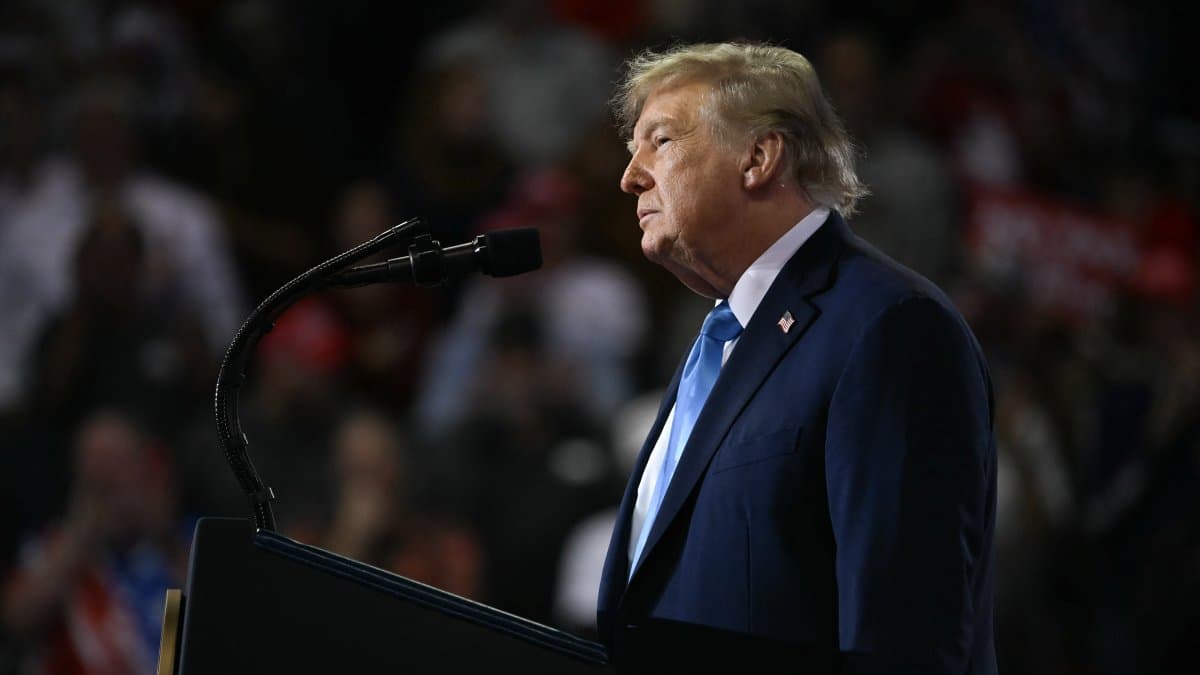
On August 6, Trump signed a new executive order aimed at further restricting birthright citizenship; this was a more limited measure than the broader order he issued on the first day of his second term, with which he sought to put an end to this practice across the board. The 2025 order immediately faced legal challenges from its opponents, who argued that it violated the 14th Amendment.
After the Supreme Court blocked that first order, Trump issued the August directive, focused on restricting the granting of birthright citizenship to certain groups, including children born to parents considered "foreign enemies" of the United States or to parents employed by foreign embassies.
🛠 Do you think there is an error in this article?
Recommendations



LATEST