Members of Congress call on Donald Trump to clarify before Congress the terms of his negotiations with the Venezuelan regime
From the executive branch, the strategy has focused on ensuring operational and economic stability as an essential first step toward institutional reconstruction.
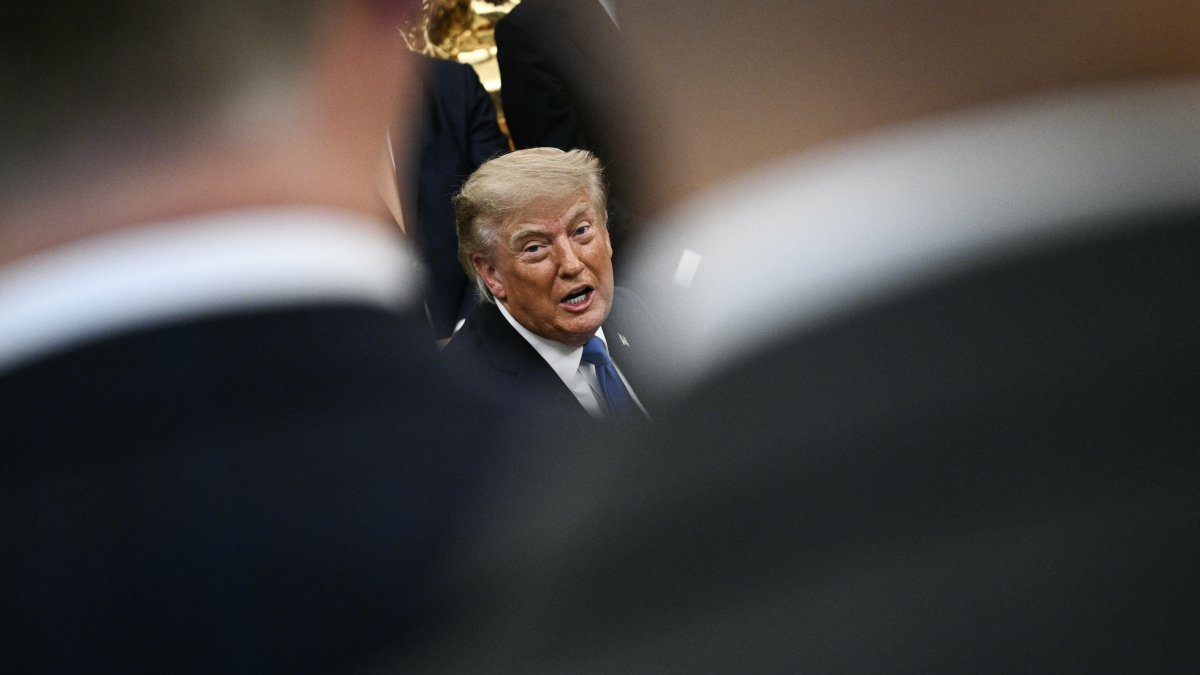
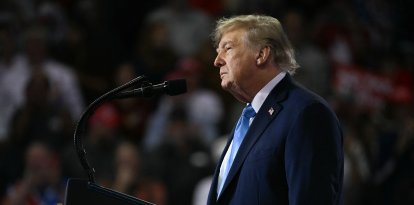
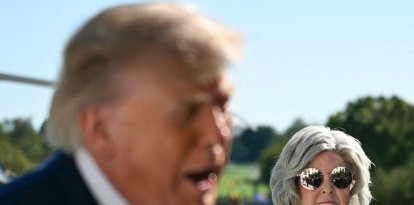
Donald Trump answers questions from the press during a meeting with tourism industry executives on Sept. 2.

Recent negotiations in the Venezuelan energy sector have raised concerns among Republican members of Congress, who fear that operational agreements with the interim regime led by Delcy Rodríguez could delay the restoration of constitutional order in the South American nation, according to a report published by NOTUS.
Members of the House Foreign Affairs Committee, along with representatives from the Democratic caucus, have requested periodic reports from the State Department to learn the terms under which the White House plans to manage reserves estimated at 65 billion barrels.
The lawmakers' priority is to set specific deadlines for calling elections with safeguards.
"They need to know that the person who is [president] was elected by the Venezuelans, and that is not the case with Delcy, so we have a glitch there," Florida Representative María Elvira Salazar told NOTUS. The congresswoman warned of the need to provide a platform for the exercise of democracy rather than entrenching provisional authorities.
The administration's position regarding institutional demands
From the executive branch, the strategy has focused on ensuring operational and economic stability as an essential preliminary step toward institutional reconstruction.
In recent statements to the press, Secretary of State Marco Rubio indicated that preparing the conditions for an electoral process will take "not years, but certainly months and weeks," emphasizing that the country requires functional institutions to avoid inheriting a state of collapse.
At the same time, federal government representatives clarified to NOTUS that the structure of the agreement regarding the oil fields is "a private agreement with a private company" and not a political treaty with the interim government that would compromise the democratic transition.
The agreement was signed with the company North American Blue Energy Partners, owned by businessman Alejandro Betancourt, who has been identified as a representative of the elite that grew wealthy under the Chavista regime and is under investigation for corruption and embezzlement in various countries around the world.
The White House has defended privatization and the influx of investment as tools to overcome the region's historic hyperinflation. "There can be no transition without a stable economy, and this agreement will lead us to a point where elections are possible," an official spokesperson told the aforementioned media outlet.
Diplomatic progress and Congress' perspective
Despite questions about the timeline, several members of Congress who have held meetings in Caracas welcomed the removal of the influence of foreign powers such as China and Russia from local oil assets.
Members of recent parliamentary delegations noted that officials from the interim Chavista regime have shown a willingness to restructure agencies that were under scrutiny during previous processes.
Meanwhile, talks between the acting authorities and opposition sectors are expected to resume in mid-September under the auspices of the U.S. administration, while the legislative branch continues to monitor the balance between energy security objectives and the full restoration of political freedoms in the hemisphere.


LATEST