A major blow to Iran: The US has destroyed 159 ships and thousands of small vessels, leaving Iran with virtually no naval capability
The damage inflicted on Iran's naval infrastructure has reportedly left the regime with limited options for threatening commercial traffic through the Strait of Hormuz.
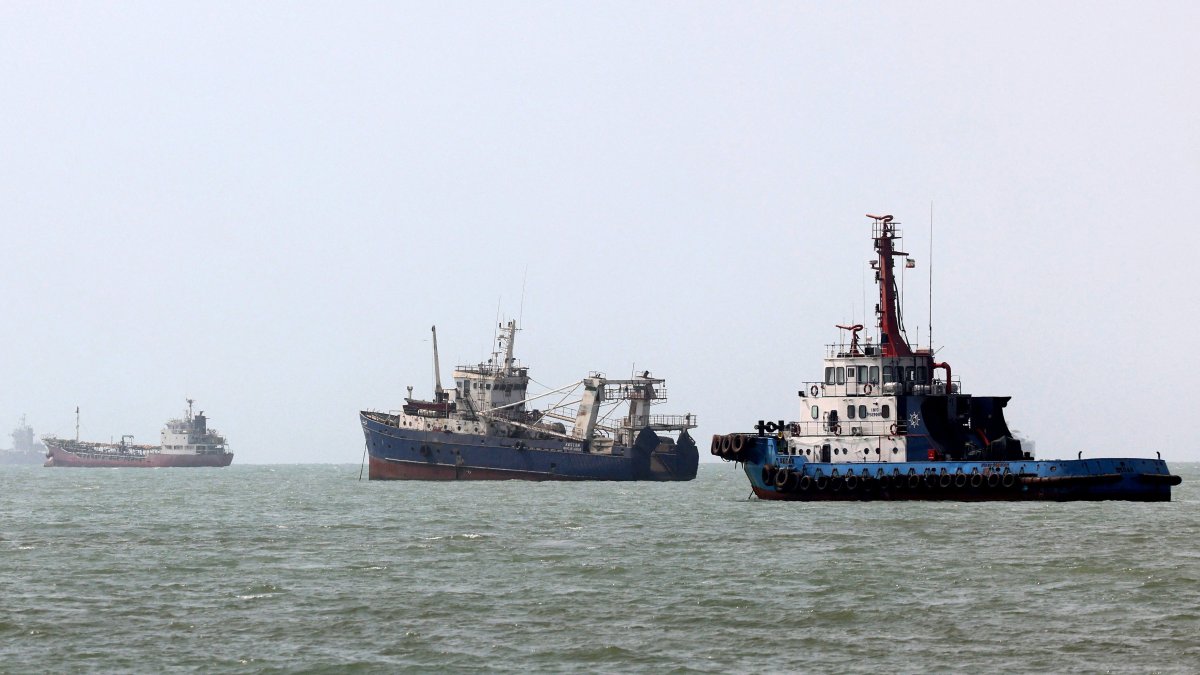
Ships passing through the Strait of Hormuz / Atta Kenare
Retired U.S. Marine Corps Colonel Mike Jernigan revealed this Thursday on Fox News that U.S. forces have significantly weakened Iran's naval infrastructure and considerably reduced its ability to coordinate attacks in the Strait of Hormuz. According to Jernigan, the damage inflicted on Iran's naval infrastructure has left the regime with limited options for threatening commercial traffic through this strategic sea lane.
"We have destroyed 159 ships from their ocean-going navy," said the retired colonel, also noting that U.S. forces have destroyed "countless thousands of their small vessels capable of laying mines and attacking ships" and that U.S. attacks have "damaged and destroyed those docks, ports, piers, and warehouses from which all those vessels and capabilities are launched."
Similarly, Jernigan noted on Fox News that "What you're seeing now is that every two weeks, perhaps, the Iranians launch a drone that can take off from 400 miles away and be directed toward a ship as it exits the Strait of Hormuz as a final act of defiance," noting that there are no longer any significant Iranian attacks posing an active threat to navigation through the strait.

Politics
Secret Service investigates Iranian video threatening Barron Trump, offering bounty for his head
Carlos Dominguez
Pressure on energy and financial Markets
The retired colonel's comments come amid a war that seems to have no end in sight. Six months after the start of the armed conflict, the situation with Iran has left the Strait of Hormuz virtually paralyzed, stranding thousands of sailors in the Gulf and putting pressure on energy and financial markets.
According to an analysis by the AFP news agency, based on data from the maritime tracking service Kpler, before Iran blocked the strait in response to joint U.S.-Israeli attacks in February, about one-fifth of global oil and liquefied natural gas exports passed through this sea lane.
After the theocratic regime closed the strait on March 1, cargo ship traffic fell to an average of 10 transits per day, compared to 95 per day in February. An agreement signed between the United States and Iran in June allowed for a temporary recovery to 36 daily transits, but the figure fell again to an average of 15 between the resumption of hostilities on July 8 and August 22.
LATEST