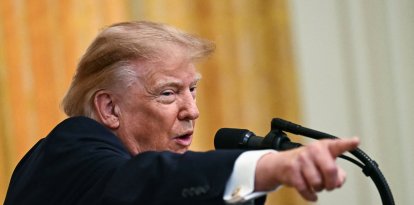
Maryland: A judge halts the Democratic referendum on redistricting after identifying serious legal flaws
The judge explicitly questioned the proposed ballot text, noting that it contains wording that misinforms voters.
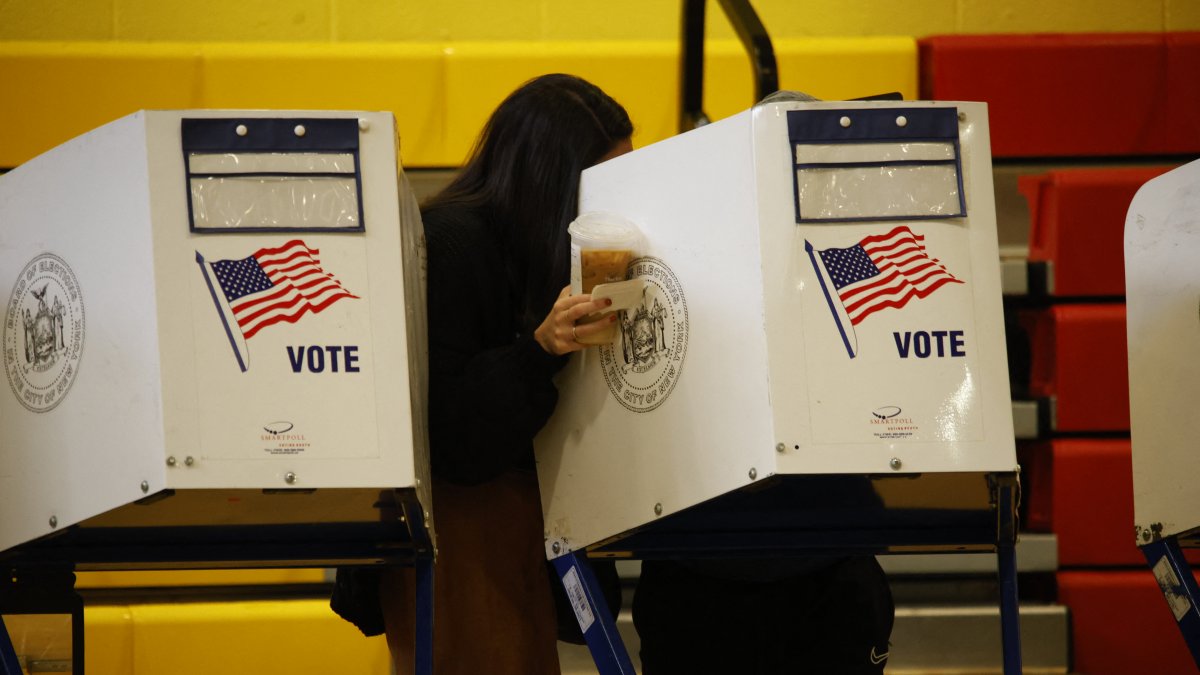
File photo.

A legal setback has temporarily halted the Democratic Party's plans in Maryland to redraw the state's electoral districts.
As reported by Politico, Judge Robert J. Thompson issued a preliminary injunction blocking the redistricting referendum from appearing on the ballot this coming November.
The ruling halts a measure the state General Assembly recently approved during a special session. The bill sought to decouple congressional districts from the geographic standards applied to local districts, opening the door to modifying the electoral map in preparation for the 2028 election cycle.
Lack of legal rigor and wording deemed misleading
In his reasoning, Judge Thompson found that the bill contained serious procedural flaws, asserting that the law "is legally deficient" because the legislature failed to follow "the ordinary process and procedure for submitting proposed constitutional amendments to the people."
The judge explicitly challenged the proposed text for the ballot, stating that it contains wording that misinforms voters.
"Even if the legislature's interpretation of the Constitution were correct and they were exempt from complying with the laws that apply to all other Maryland citizens, the court finds that the referendum question itself is deficient," the judge argued in his opinion.
Furthermore, he noted that the language used was "intentionally misleading," which is why "the referendum question, as currently drafted, should be struck down."
Reactions and an imminent appeal to the state Supreme Court
Despite the injunction issued against the State Board of Elections, Judge Thompson stayed its immediate enforcement pending a final ruling by the Maryland Supreme Court.
Democratic leaders responded swiftly. State Senate President Bill Ferguson said he was "confident that the General Assembly acted unequivocally within its constitutional authority" and believed higher courts would uphold the measure's legality.
For his part, Governor Wes Moore's spokesperson, Ammar Moussa, said the administration disagrees with the ruling. "At a time when states across the country are manipulating congressional district maps to silence voters and undermine fair representation, Maryland cannot afford to stand idly by," Moussa told Politico, confirming that an appeal to the state's highest court has already been filed.
The outcome of the litigation will leave the validity of the electoral proposal in the hands of the state Supreme Court, amid the national debate over district drawing.


Politics
A judge has once again ruled that the Texas law restricting certain drag shows is unconstitutional
Williams Perdomo
LATEST