US demands allies and China support economic isolation of Iranian regime: 'With us or against us'
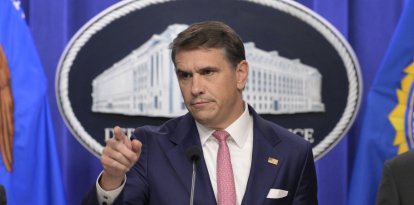
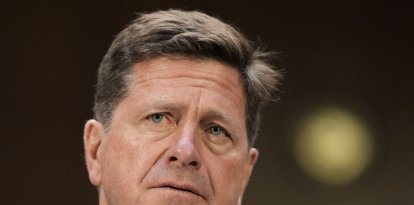
Treasury Secretary Scott Bessent warned countries and companies that maintain economic ties with Iran that they could face retaliation as part of the U.S. sanctions campaign: "Any remaining tie to Tehran will hasten a nation's economic oblivion, whether that tie be purposefully constructed or willfully ignored."
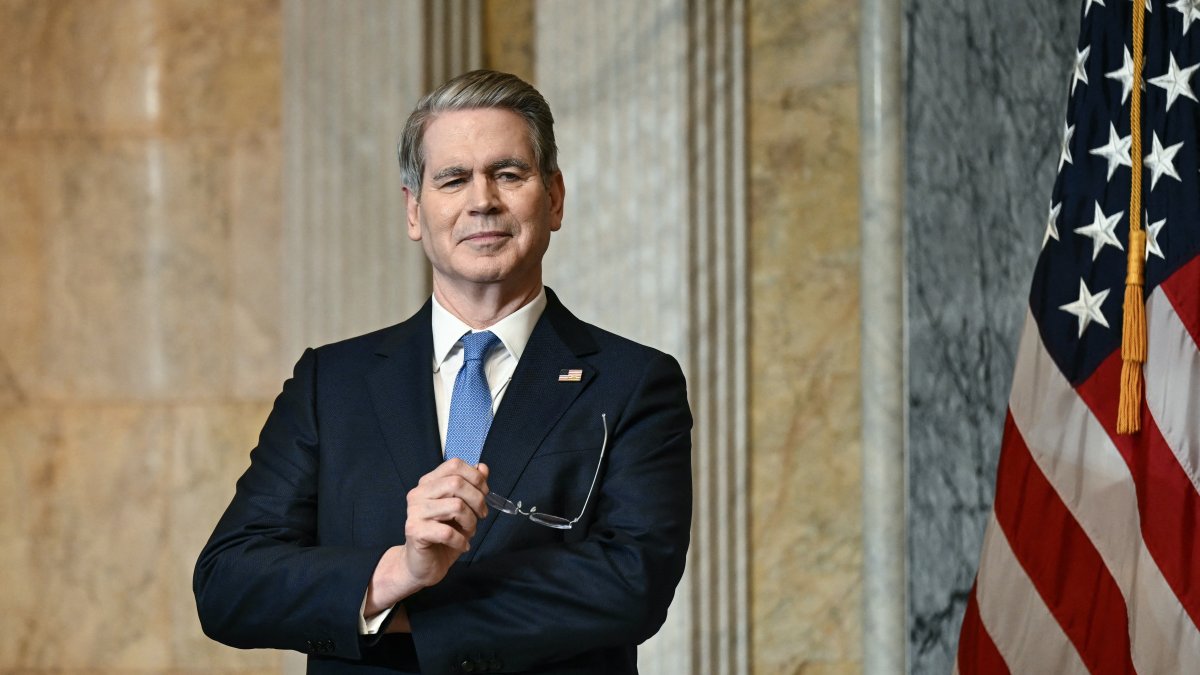
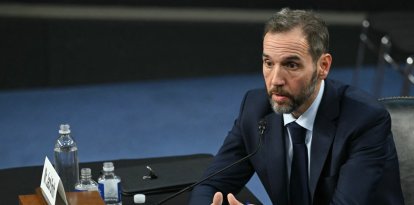
Scott Bessent in Washington, D.C.

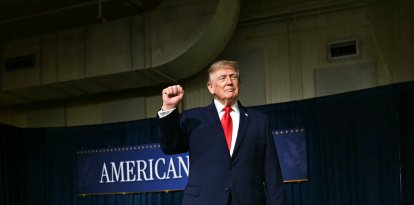
The United States on Thursday demanded that its allies and China join President Donald Trump's new campaign to isolate the Iranian economy and bring about the collapse of the Ayatollahs' regime. Treasury Secretary Scott Bessent put it in no uncertain terms: Washington's partners are "either with us or against us."
Trump had announced on Wednesday, in a lengthy post on Truth Social, that the "economic operation" against Iran would be "crushing" and that any country "to provide any type of lifeline to Iran will itself face TREMENDOUS Economic Consequences."
World
Hong Kong convicts two activists over Tiananmen memorials as Beijing's security law continues erasing dissent
Emmanuel Alejandro Rondón
From military pressure to economic siege
Bessent explained on CNBC that the president is shifting from military to economic pressure, in a conflict that is approaching six months and proving unpopular. "We are going to collapse this regime," he said. "This is going to be the greatest coordinated economic isolation in the history of the world."
On X, the Treasury Secretary added: "Any remaining tie to Tehran will hasten a nation's economic oblivion, whether that tie be purposefully constructed or willfully ignored." Neither Trump nor Bessent has yet detailed the specific measures. Bessent promised more information on Monday at a press conference.
Politics
State Department says American under arrest in China on espionage charges is ‘wrongfully detained’
Carlos Dominguez
According to AFP, Vice President J.D. Vance agreed that the United States is entering "a new phase" in which "the most effective tool that we have is the economic pressure." Bessent noted that this approach makes it less likely that Washington will launch large-scale military operations against Iran again.
On the subject of China, the Treasury secretary avoided commenting publicly: "Many conversations are best to have in private," he said, though he urged Beijing to "get with the program." President Xi Jinping will visit Trump at the White House on Sept. 24.
China rejects sanctions, defends its oil trade with Iran
The Chinese communist regime responded on Friday that this approach is ineffective. "Sanctions and pressure will not resolve the issue," stated Foreign Ministry spokesperson Lin Jian. Beijing encourages all parties to take "responsible measures" and resolve the issue through political and diplomatic channels.
China's rejection is understood in the context of trade. Before the conflict erupted in late February, China purchased more than 80% of Iranian oil exports, according to Kpler, a firm specializing in tracking commodity trade and oil tanker traffic.

Tehran says Washington's sanctions are "economic terrorism"
"Undoubtedly, the U.S. economic sanctions against Iran, which have targeted the fundamental human rights of every Iranian citizen, are a case of 'economic terrorism' and 'crimes against humanity,'" stated Iran's Ministry of Foreign Affairs in a statement released by state media, in which it asserted that "such heinous crimes deserve to be tried and punished."

LATEST