Exxon, Suncor ask Supreme Court to block local lawsuits that threaten domestic fuel production
The Trump administration came out in support of the energy companies, warning that allowing this type of legal action regarding overall fuel production undermines foreign policy.
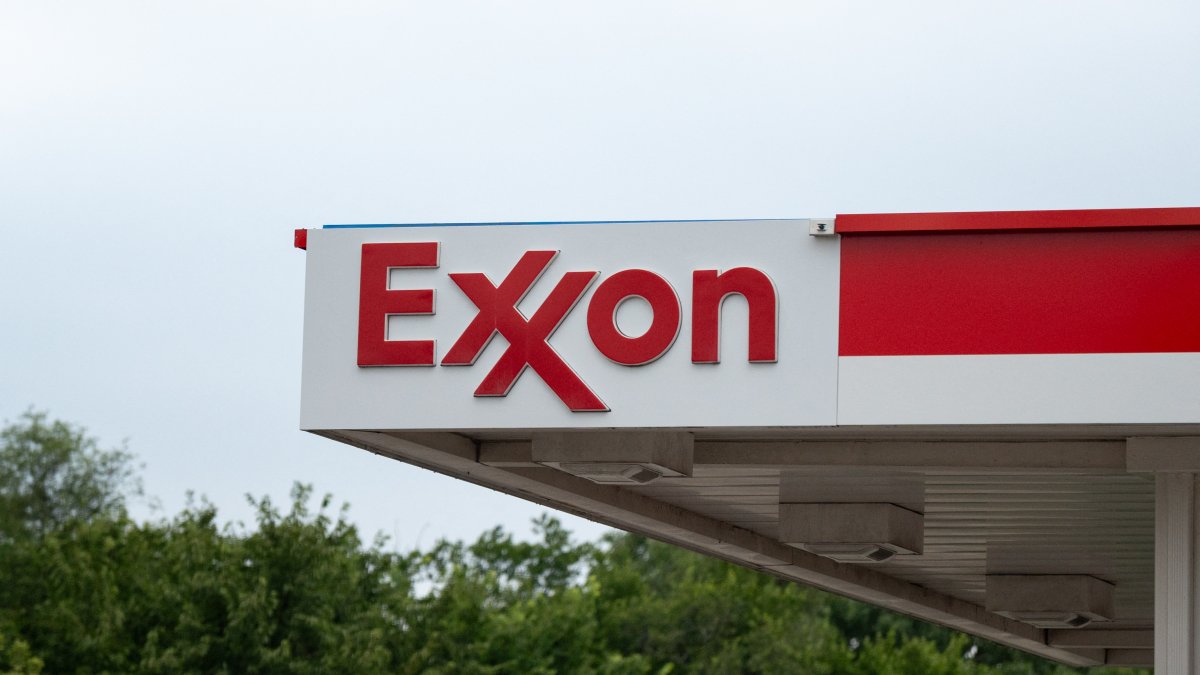
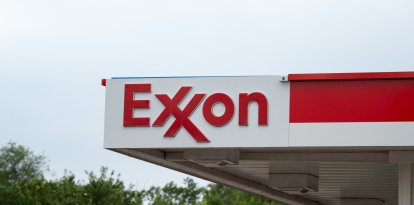
An Exxon gas station in Chicago.

The U.S. Supreme Court resumes its sessions Monday by addressing a key lawsuit filed by the city and county of Boulder, Colorado, against Exxon Mobil and Suncor Energy.
The lawsuit, originally filed in 2018, seeks to hold energy companies liable for local costs resulting from global warming, demanding financial compensation for damages attributed to greenhouse gas emissions.
The case brought by Boulder is part of a coordinated legal offensive in state courts by several local governments against the fossil fuel industry. The central issue the Supreme Court must resolve is not the merits of environmental liability, but whether federal law prohibits this type of litigation from proliferating under fragmented state laws.
Justice Samuel Alito will not participate in the deliberations after recusing himself from the case, opening the possibility of a 4-4 tie among the justices. Should such a vote occur, the Colorado Supreme Court's ruling — which authorized the continuation of the proceedings — would stand.
Warnings about regulatory fragmentation and interference in foreign policy
During their arguments before the court, legal counsel for Exxon and Suncor argued that the Constitution and the Clean Air Act prevent local courts from ruling on emissions that cross state and international borders.
The defense warned that upholding the Colorado ruling would allow thousands of municipalities to establish conflicting climate policies and impose parallel regulations on the national industry.
The Trump administration filed a brief in support of the energy companies, warning that allowing this type of legal claim regarding global fuel production undermines foreign policy and harms U.S. leadership in energy production.
A total of 26 states, led by West Virginia Attorney General Michael Williams, filed briefs in support of the industry, arguing that a problem of national scale requires federal legislative solutions rather than damages awarded by local judges.
For their part, the Boulder attorneys argued before the Supreme Court that their lawsuit is based on alleged deceptive business practices regarding the marketing of products, contending that the states retain the constitutional authority to seek redress for local damages caused within their jurisdictions.
Congress's role in environmental litigation
Constitutional analysts point out that judicial intervention in environmental matters could create distortions if it supplants the role of the legislative branch.
According to Jonathan Adler, a law professor at the College of William & Mary, if Congress believes that lawsuits filed by activists seek to raise energy costs or restrict its supply, the legislative branch has the tools to limit these proceedings in the courts, just as it did in 2005 by shielding gun manufacturers from civil lawsuits.
The Supreme Court is scheduled to issue its final ruling on the case before the end of its judicial term in the summer of 2027.

Economy
Commercial crude oil inventories rise by 900,000 barrels, exceeding expectations
Carlos Dominguez
LATEST