Greg Abbott proposes opening the electricity market in Austin and San Antonio to lower costs
According to the Texas Governor, opening up the market would lower rates by more than 10% for more than five million Texans who currently receive electricity from municipal utilities.
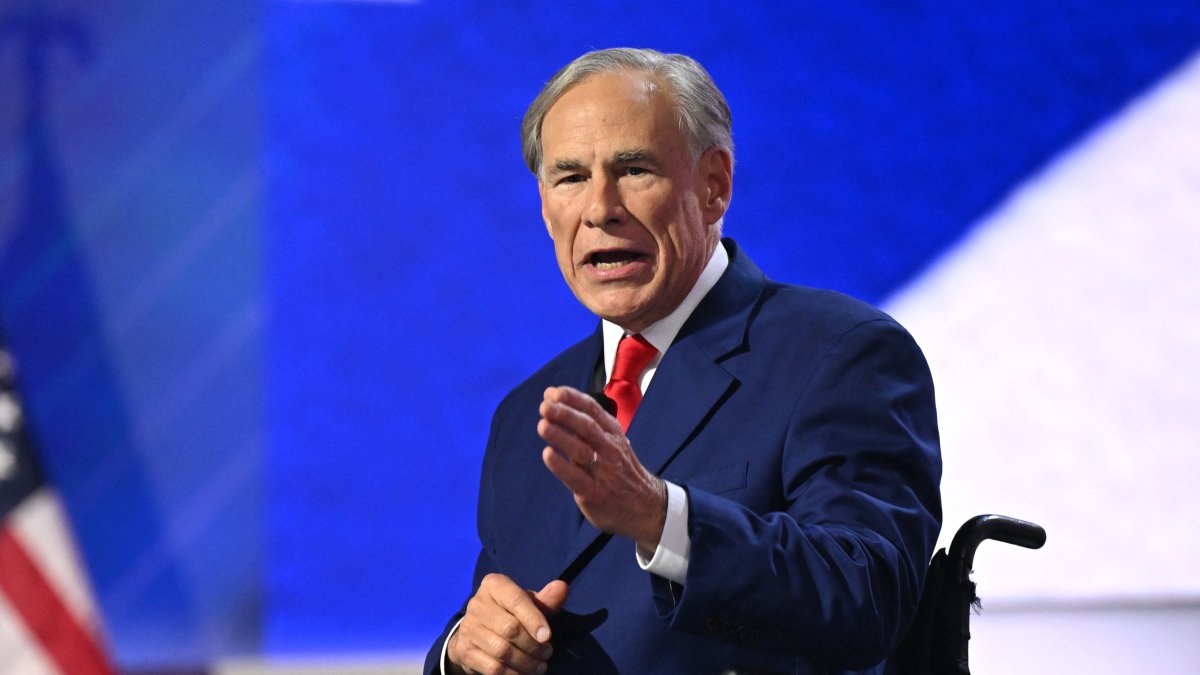
Greg Abbott in Milwaukee, Wisconsin/ Patrick T. Fallon

The governor of Texas, Greg Abbott, announced a new initiative to reduce electricity costs in the cities of Austin and San Antonio. Specifically, the Republican is proposing to overhaul the electricity supply system in both cities, which currently rely on municipal electric utilities.
The Republican governor's proposal seeks to end the exclusive electricity provider model maintained by municipal companies such as Austin Energy and CPS Energy and allow consumers to choose among different electricity providers, as is the case in much of Texas.
According to Abbott, opening up the market would reduce rates by more than 10% for more than five million Texans who currently receive electricity through municipal utilities.
"We must address the cost of electricity that is putting a growing strain on Texas households. That's why I'm proposing legislation to end the monopoly control that cities like Austin and San Antonio have over electricity services and give Texans the freedom to choose the provider that works best for them," Governor Abbott said in a statement.

Economy
Texas solidifies its economic boom with the arrival of new residents and billions in tax revenue
Williams Perdomo

Politics
James Talarico leads Ken Paxton by three points in Texas Senate race: Poll sounds alarm for Republicans
Emmanuel Alejandro Rondón
"By expanding competition, residents in Austin and San Antonio could save more than 10% on their electricity bills, with small businesses seeing even greater savings," he added.
The model Abbott is proposing for these cities is already in place across much of Texas, where consumers in competitive electricity markets can choose among retail electricity providers.
The proposal is expected to be presented to the Texas Legislature during the 2027 session, as the state legislature meets in regular sessions every two years.
The initiative is based on the economic argument that competition among companies can reduce costs for consumers. In a market with a single provider, consumers have less ability to choose and switch providers if they feel that prices or service are inadequate. On the other hand, advocates of the current system in Austin and San Antonio point out that publicly owned utilities allow for local control over electric service.
LATEST