Trump expands sanctions against Cuban regime, warns of links to terrorism
The new sanctions target individuals, entities and affiliates that provide support to the Cuban regime's security apparatus.
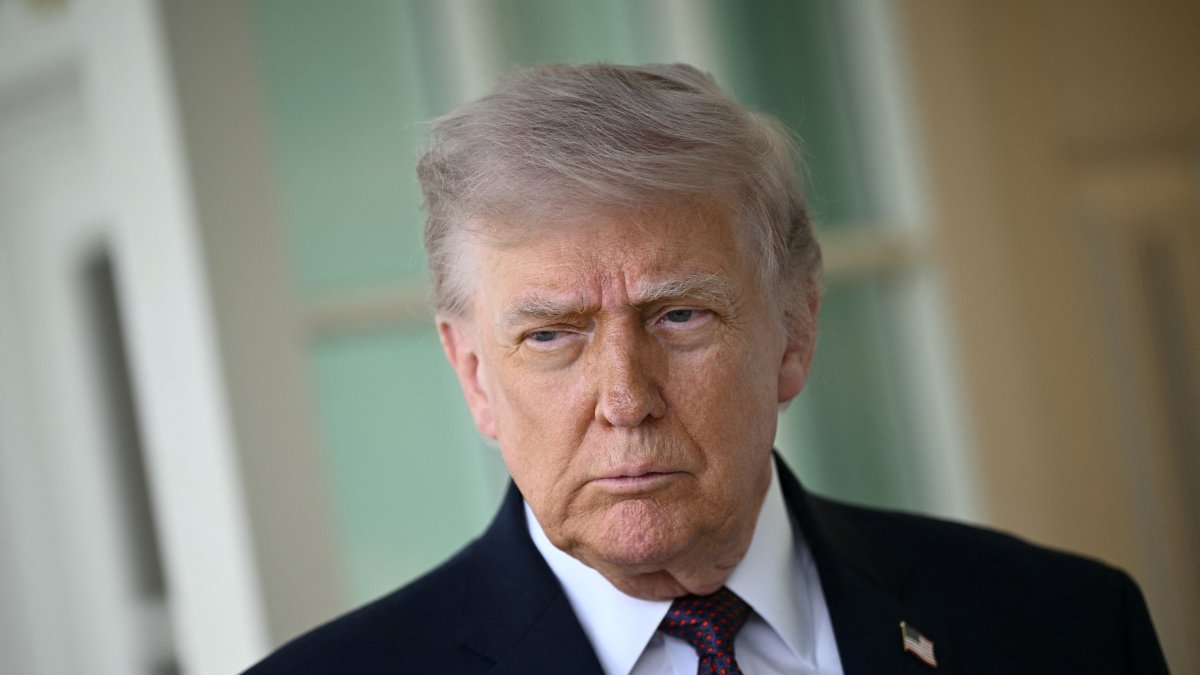
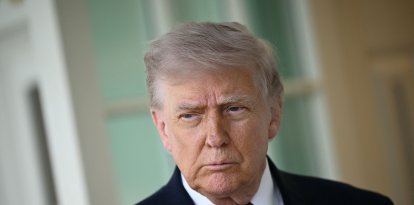
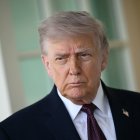
Donald Trump at the White House/ Brendan Smialowski

President Donald Trump signed an executive order on Friday that significantly expands U.S. sanctions against the Cuban regime.
The measure seeks to intensify pressure on Havana after the successful operation that succeeded in capturing Nicolas Maduro in Venezuela. According to White House officials, this action directly targets the pillars that support the dictatorship on the island.
The new sanctions target individuals, entities and affiliates who provide support to the Cuban regime's security apparatus.
They also include those complicit in acts of corruption or serious human rights violations, as well as officials and agents of the Castro government. This new crackdown was first reported by Reuters.
Secondary sanctions and the end of impunity
The executive order introduces a tool to pressure the regime's economy with the authorization of secondary sanctions. This will allow Washington to punish any entity or individual, regardless of nationality, who conducts or facilitates transactions with the targets outlined in the order.
The escalation comes against a backdrop of imminent collapse of the island, as President Trump has repeatedly stated. Following military operations in Caracas and open conflict against Iran, Trump has been blunt about his next steps in the region.
World
Rubio on the future of Cuba: 'Things can get better' but not with the current people in charge
Andrés Ignacio Henríquez
"Cuba is next," the president said recently, though without yet detailing the specific plan for the Caribbean nation.
A strategic threat 90 miles from the U.S.
The White House justified the expanded sanctions by pointing to Havana's dangerous alignment with hostile powers and extremist groups.
Officials stressed that the Cuban regime maintains close ties with Iran and militant organizations such as Hezbollah, which poses a direct risk to U.S. national security.
"Cuba provides a permissive environment for hostile foreign intelligence, military and terrorist operations within 100 miles of the U.S. homeland," a senior administration official said.
The United States, for its part, maintains its historic demands for any normalization: the opening of the state economy, payment of reparations for property expropriated during the Fidel Castro era and the holding of free and fair elections. In the face of this, the regime has refused to negotiate its socialist model.
The economic stranglehold on the island has worsened since the beginning of the year, when Washington succeeded in halting Venezuelan oil exports to Cuba following Maduro's capture on January 3.
Trump subsequently threatened punitive tariffs on any country sending crude to the island, forcing Mexico to suspend supplies. This fuel shortage has already led to three massive nationwide blackouts and the suspension of flights by several foreign airlines.
World
Cuban dictatorship confirms high-level meeting with Trump Administration officials
Andrés Ignacio Henríquez
LATEST